
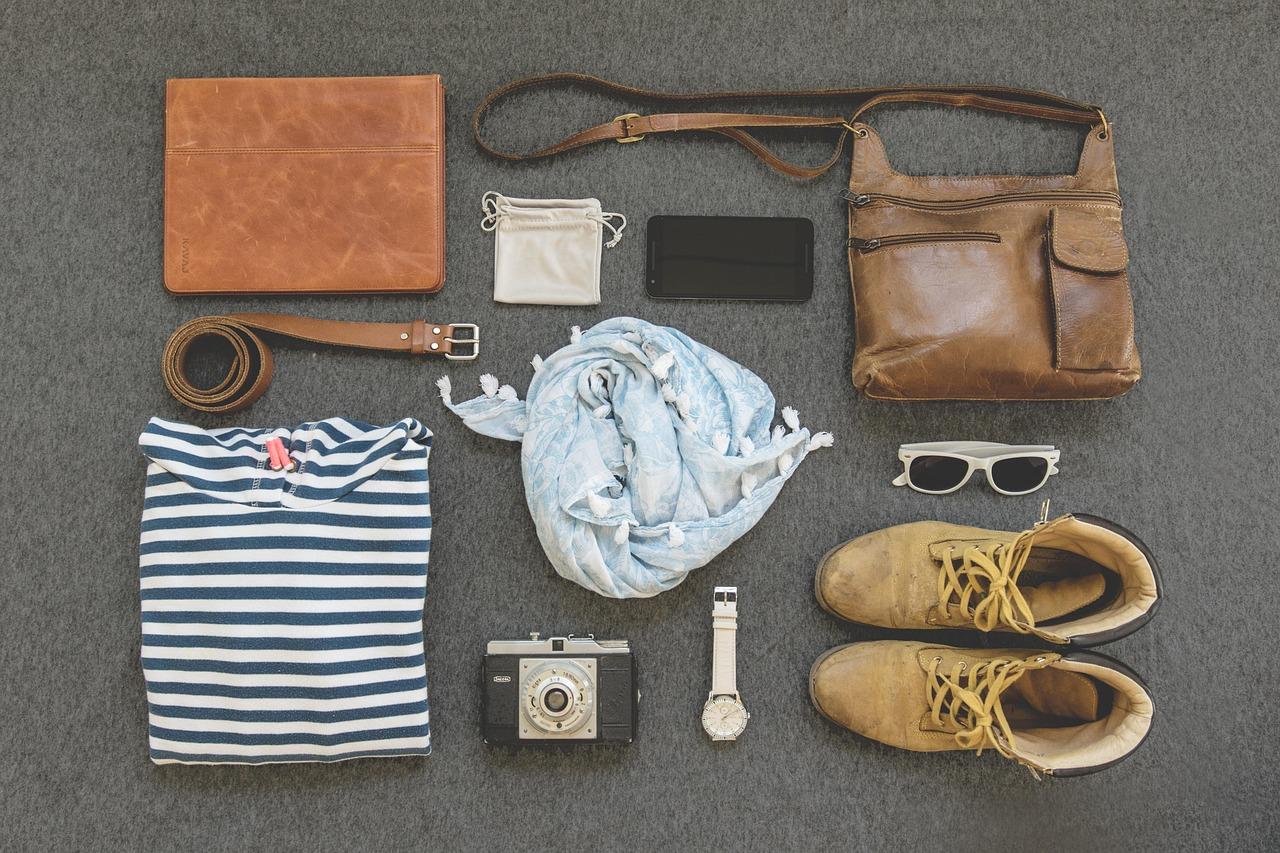
There’s a special kind of magic in a vintage handbag-the soft patina, the stories woven into every stitch, the way it instantly elevates a simple tee and jeans. Whether you’re hunting for your first pre-loved treasure or adding to a carefully curated collection, vintage bags offer personality, craftsmanship, and a more sustainable way to stand out.
In this guide, we’ll share the best picks across eras and styles-from timeless icons to under-the-radar gems-and show you how to style them with today’s wardrobe. Think easy outfit formulas, how to balance proportions, which colors play well together, and simple tweaks (like scarf handles or chain swaps) that make an old bag feel refreshingly modern.
We’ll also cover the smart-shopping stuff: where to find the good ones, what condition notes really mean, quick authenticity checks, and how to care for your bag so it lasts another lifetime. Whether your budget is “lucky thrift find” or “investment piece,” you’ll leave with a shortlist of chic options and the confidence to wear them your way.
Ready to meet your next forever bag? Let’s dive in.
Table of Contents
- How to Spot Authentic Vintage Handbags by Era Hardware Stamps Date Codes and Stitching
- Best Vintage Picks Iconic Chanel Flap Gucci Jackie Dior Saddle and Underrated Coach Willis
- Style It Right Outfit Formulas for Totes Satchels and Clutches including Color Palettes and Strap Drop Tips
- Care and Sourcing Essentials Cleaning Storage Restoration and Trusted Places to Buy
- In Retrospect
How to Spot Authentic Vintage Handbags by Era Hardware Stamps Date Codes and Stitching
Hardware tells the decade: weighty, high-quality metal that matches the bag’s age is your best friend. Look for era-specific zipper brands (Eclair, Lampo, Opti, DMC), flathead vs. Phillips screws, and crisp, evenly spaced engraving. Logos should be sharp, never fuzzy or shallow. Heat stamps should be centered, clean, and consistent with the brand’s historic font and placement. Foil color often matches hardware tone on many classics. Quick cues by house:
- Chanel: Vintage turnlocks typically use flathead screws; interior brand stamp color often matches the hardware. Zippers may read Eclair, Lampo, or DMC depending on era.
- Hermès: Discreet blind stamps with a year letter and craftsperson code; letter-in-shape conventions changed by era and placement moved over time.
- Louis Vuitton: Rounded “O,” sharp “L,” and tidy “®” in the heat stamp; older pieces can feature Eclair zippers. Patina on vachetta should be even, not painted-on.
- Gucci: Clean, centered “Gucci made in Italy” stamp; foil or heat stamp should be crisp. Many vintages carry Lampo zips.
- Prada: Triangle plaque letters are even; the R’s leg is well-defined; interior plaque color aligns with hardware tone.
- Dior & Fendi: Dior tags have neat embossing with codes on the back; Fendi introduced holograms in the mid-2000s-older bags won’t have them.
Date codes and stitching confirm the story. LV codes evolved: early 1980s introduced codes, 1990-2006 used two letters + 4 digits (month/year), 2007-2021 used two letters + 4 digits (week/year), and from 2021 many styles use a microchip instead of a code. Hermès year letters change by era, while Dior, Fendi, and Gucci have factory/date strings that should align with their timelines. Stitching should be tight, even, and era-correct; loose, wobbly, or overly thick thread is a red flag. Brand-specific stitch traits:
- Chanel: High stitch counts keep quilting puffy; diamonds should align across seams and pockets.
- Hermès: Signature saddle stitch with a gentle slant and consistent spacing; hand-finished and exceptionally tidy.
- Louis Vuitton: Uniform stitches with tidy back-tacking; no frayed thread ends. Tabs and handles mirror each other.
- Gucci/Prada/Dior: Even, straight lines with thread color that harmonizes with leather and era; corners and logo patches are the easiest places to spot sloppy work.
Best Vintage Picks Iconic Chanel Flap Gucci Jackie Dior Saddle and Underrated Coach Willis
For timeless glamour, the classic trio delivers every time. The Chanel Classic Flap shines in caviar leather for durability, while lambskin gives that buttery, dressy finish-seek 24k gold-plated hardware on 80s-90s pieces and a tidy, even diamond quilt. The Gucci Jackie is all about the iconic piston clasp and chic hobo curve; vintage mediums carry daily essentials without losing that sleek, shoulder-swept silhouette. The Dior Saddle brings Y2K energy with a sculpted shape; look for thick leather piping, neat D-hardware, and secure stitching around the horn. Styling? Think Chanel with straight-leg denim and a tweed jacket, Jackie with a crisp blazer and loafers, and the Saddle with a tee, tailored vest, and kitten heels for a balanced, modern edge.
- Condition cues: Chanel chains should feel weighty; check stitch count per diamond. Jackie’s clasp must click cleanly. Dior’s strap logos should be precise, not fuzzy.
- Era picks: 90s Chanel for investment-grade hardware, 60s/90s Jackie for heritage lines, early-2000s Saddle for that true runway nostalgia.
- Outfit formulas: Chanel + pearls + ankle jeans; Jackie + silk scarf + trench; Saddle + column skirt + pointed mules.
The sleeper hit is the Coach Willis-quiet luxury before it was a buzzword. Crafted in glove-tanned leather with a satisfying turnlock, it’s structured yet unfussy, often with a top handle and crossbody strap for day-to-night versatility. Hunt for older Made in USA or early Made in NYC creed stamps, rich shades like British Tan, Oxblood, and Black, and intact edge paint at corners. It styles beautifully with minimalist wardrobes: white tee, vintage denim, ballet flats; or office polish: knit dress, trench, and gold hoops. Bonus: prices are still kinder than the big houses, making it a smart first vintage buy.
- Why it’s underrated: Heritage leather, durable hardware, low-logo profile, and consistent under-the-radar pricing.
- What to check: Even stitching, supple strap (no cracking), clean interior, and firm turnlock rotation.
- Care tips: Condition leather quarterly, store stuffed and upright, and use a gentle brass polish on hardware.
Style It Right Outfit Formulas for Totes Satchels and Clutches including Color Palettes and Strap Drop Tips
Consider these easy outfit equations to make your vintage pieces do the talking. Start with your base, then plug in texture and hardware: smooth leather with matte knits, pebbled leather with silk or satin, and match metals to jewelry for cohesion. Try these plug-and-play combos to keep mornings effortless and chic:
- Everyday tote: Oversized linen blazer + vintage tee + straight-leg denim + loafers. Opt for a 60s boxy tote in cognac or chocolate; palette: ecru, camel, espresso with a pop of forest or cobalt. Strap sweet spot: shoulder drop 9-11 in (23-28 cm) so it clears blazers.
- Structured satchel: Midi tea dress + fine-gauge cardigan + Mary Janes. Think 50s doctor satchel in oxblood or navy; palette: jewel tones (emerald, garnet) with antique brass. Crossbody comfort: 20-24 in depending on height and heel height.
- Evening clutch: Silk slip skirt + cashmere shell + kitten heels. Choose a beaded or envelope clutch in champagne, onyx, or pearl; palette: monochrome with one metallic. Wear under-arm to keep lines sleek; add a slim chain for hands-free moments.
- Weekend market tote: Breton stripe + barrel jeans + ballet flats. Go canvas/leather-trim in navy or ecru; palette: nautical navy, ivory, cherry red. Strap drop: 9-12 in if you’re layering a trench.
Dial in proportion and color the way stylists do: let the bag sit where it flatters your silhouette and build palettes that amplify vintage leathers. Use this quick-fit guide and capsule swatches to get it right every time:
- Totes: Shoulder drop 9-11 in over coats; 7-9 in for lighter layers. Handheld drop 4-6 in reads polished. Crossbody converts: bag should hit 2 in below bust or at high-hip.
- Satchels: Top-handle drop 3-5 in for ladylike carry. Shoulder/crossbody: petite 19-22 in, average 21-23 in, tall 23-25 in. Aim for base near navel-to-hip bone for balance.
- Clutches: Wristlet loops 5-6 in for security; soft envelopes tuck neatly under-arm. Keep scale proportional-no wider than your shoulder span for petites.
- Body balance: Petites = slimmer bags; Curvy = medium, structured silhouettes; Tall = oversized totes shine. If the bag is wider than your torso, size down for harmony.
- Old-money neutrals: ivory, camel, espresso + gold hardware.
- Heritage prep: navy, oxblood, forest + antique brass.
- Mod pop: black, optic white, lipstick red + silver.
- Soft romantic: dusty rose, sage, pearl + blush leather.
- Evening metals: champagne, gunmetal, onyx + crystal accents.
Care and Sourcing Essentials Cleaning Storage Restoration and Trusted Places to Buy
Cleaning starts with restraint: dust with a dry, lint-free microfiber cloth, then spot-treat using a pH-balanced leather cleaner for smooth hides or a suede brush/eraser for nap. Always test products on an inconspicuous area and avoid alcohol, makeup wipes, and oils that can darken leather. Hardware prefers a soft, non-abrasive polish cloth-skip liquid metal polishes. For storage, preserve structure by lightly filling bags with acid-free tissue or a breathable shaper (never newspaper), tuck chains in felt to prevent imprints, and keep everything in a cotton or flannel dust bag. Store upright, away from sunlight and heat, with gentle airflow; use silica gel sparingly and refresh it seasonally to prevent moisture build-up.
- Do: Wipe down after wear, condition smooth leather 2-3 times a year, zip/close bags to maintain shape, and rotate carry to minimize corner wear.
- Don’t: Hang by straps, stack under weight, use colored tissue, or over-condition-saturation weakens fibers and attracts dirt.
- Quick fixes: Cornstarch can lift fresh oil on leather; a white pencil eraser taps away minor marks on coated canvas; a graphite pencil can ease a sticky zipper.
Restoration calls for pros when you see ink transfers, dye loss, broken glazing, or structural issues-seek a handbag spa or master cobbler experienced with luxury finishes. Minor scuffs, edge touch-ups, and loose stitches can often be remedied, but color work near logos and corners is best left to experts to preserve value. When buying, prioritize authenticity: request macro photos of stamps, stitching, glazing, hardware screws, and interior codes; compare measurements and weight; and buy only with clear return policies and written authenticity guarantees.
- Trusted sources: Established consignment boutiques with in-house authenticators; heritage auction houses (e.g., Christie’s, Sotheby’s); vetted online marketplaces with buyer protection (e.g., Fashionphile, The RealReal, Vestiaire Collective, Rebag, Yoogi’s Closet); reputable Japanese resellers; estate sales with provenance.
- Smart safeguards: Ask for video under natural light, verify serial/date codes against known formats, review repair history, and pay via methods that include buyer protection.
- Value tip: Original packaging, authenticity cards, receipts, and maintenance records can lift resale value and make future care easier.
In Retrospect
And that’s a wrap on chic vintage handbags-those little time capsules that add polish, personality, and a touch of sustainability to every outfit. From structured top-handle beauties to beaded evening charms, the right piece can do more than hold your essentials; it can anchor your whole look.
As you hunt the flea markets, consignment racks, and online treasure troves, trust your eye and have fun with contrast: mix eras, play with texture, keep proportions balanced, and let one standout bag be the hero. A quick refresh goes a long way too-swap a strap, tie on a scarf, and care for the materials so your find stays fabulous for years.
I’d love to see what you discover. Tell me your favorite vintage bag style in the comments, share your best thrifting tip, or show off your look and how you styled it. If this guide helped, subscribe for more styling tips and curated picks. Happy hunting-and even happier carrying!
