
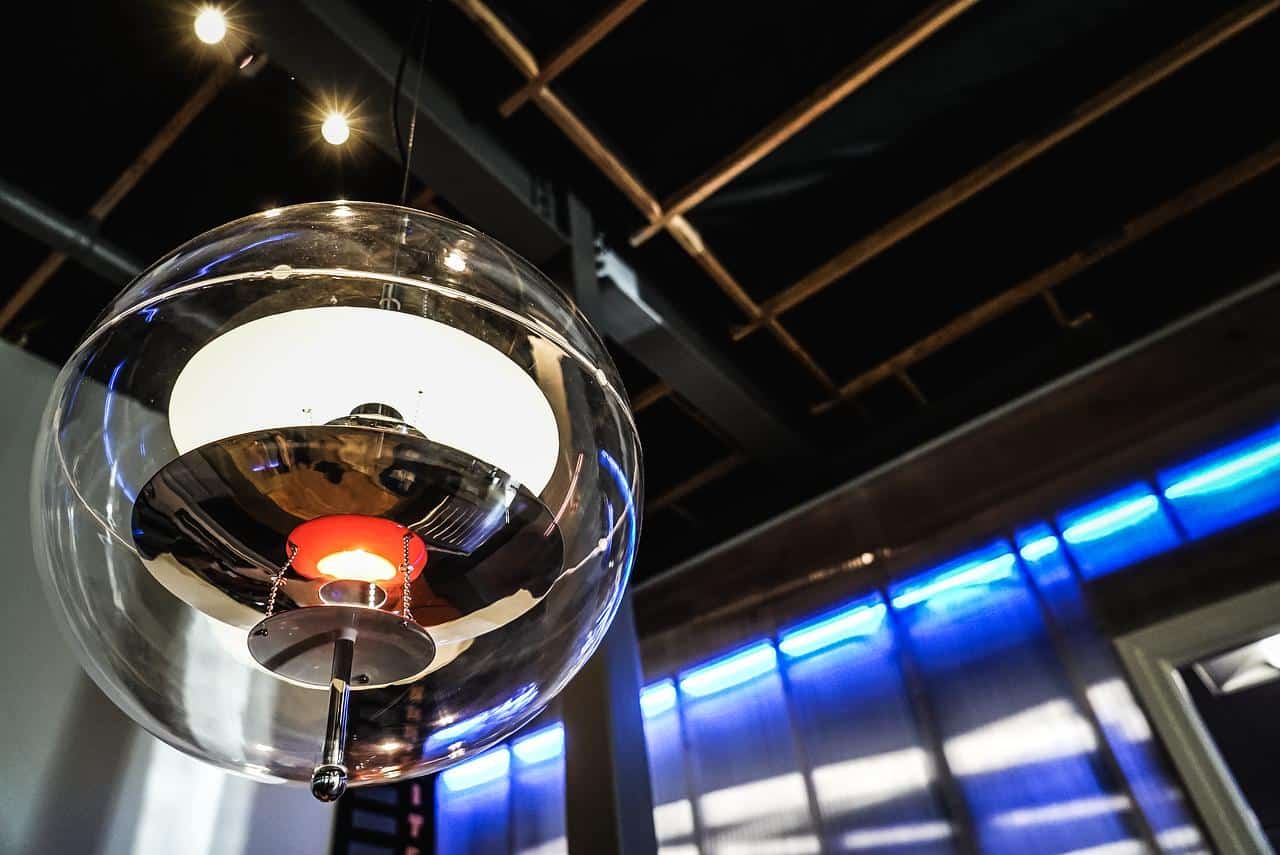
If your home has been feeling a little dim-style-wise or light-wise-consider this your cue to flip the switch. Mid-century lighting and décor bring that perfect mix of clean lines, warm materials, and playful silhouettes that make a room feel both polished and welcoming. Think sculptural floor lamps, saucer pendants that seem to float, and brass details that catch the light just right. It’s design with personality, and it never goes out of style.
In , we’ll explore how to layer light the mid-century way-ambient, task, and accent-so every corner feels intentional. You’ll meet the icons (hello, Sputnik chandeliers and Nelson bubble lamps), learn how to mix vintage finds with modern pieces, and pick up easy tips for getting that soft, golden glow that flatters everything. We’ll look at shapes, finishes, and palettes-walnut, teak, opaline glass, brass-and how they play together to create rooms that feel timeless yet totally you.
Whether you’re refreshing a rental with a single statement lamp or planning a full-room reboot, this guide will help you start strong. Expect smart shopping advice, bulb and dimmer pointers, small-space tricks, and styling ideas you can try today. Ready to light up your space (and your mood)? Let’s begin.
Table of Contents
- Make a statement with sputnik chandeliers and globe pendants using the room length plus width rule for perfect sizing
- Layer your light like a designer pair saucer pendants tripod floor lamps and bullet sconces for ambient task and accent
- Materials that matter mix warm brass teak and opaline glass while keeping wood grain dominant and metals secondary
- Set the mood choose warm dimmable high CRI LEDs fabric wrapped cords and plug in dimmers to stay period correct and energy smart
- The Conclusion
Make a statement with sputnik chandeliers and globe pendants using the room length plus width rule for perfect sizing
Turn heads with iconic forms-the starburst drama of a sputnik chandelier and the serene symmetry of globe pendants-and size them like a pro with one simple formula. Use the room length + room width (in feet) = ideal fixture diameter (in inches). Example: a 12′ x 11′ living room calls for about a 23″ statement light. This keeps the piece bold without overpowering the space, spotlighting those mid-century lines just right.
- 9′ x 10′ room → 19″ diameter fixture
- 12′ x 12′ room → 24″ diameter fixture
- 14′ x 16′ room → 30″ diameter fixture
Polish the look with placement and proportion so your lighting feels curated, not cramped. Over a dining table or island, hang the bottom of the fixture about 30-36″ above the surface and aim for a diameter that’s roughly 1/2 to 2/3 the width of the table or island. In open areas, maintain at least 7′ of clearance beneath. For tall ceilings, consider fixture height as 2.5-3″ per foot of ceiling height (e.g., 10′ ceiling → 25-30″ tall chandelier). Cluster small globes for rhythm, or go all-in with one large sputnik to anchor the room’s geometry.
- Finish harmony: let brass or matte black echo cabinet pulls or frames.
- Dimmers: essential for dialing mood from cocktail hour to cozy reading.
- Adjustability: choose downrods or cords you can tweak after install.
- Balance: pair a sculptural ceiling piece with simpler lamps to keep focus.
Layer your light like a designer pair saucer pendants tripod floor lamps and bullet sconces for ambient task and accent
Think in tiers: start overhead with saucer pendants to cast a velvety ambient glow, then bring the light down to eye level with sculptural tripod floor lamps for focused task comfort, and finish with pinpoint bullet sconces to add accent sparkle and dimension. The interplay of soft halos, purposeful pools, and crisp highlights makes colors richer, silhouettes sharper, and rooms feel intentionally composed. Balance materials-opal glass, brushed brass, and warm wood-and let varied heights create movement, all tied together by dimmers so your space can shift from lively to low-key in a heartbeat.
- Dining: A pair of saucer pendants centered over the table, a tripod lamp warming a nearby corner, and slim bullet sconces flanking a credenza for art-friendly grazing.
- Living: One saucer pendant slightly off-center for mood, a tripod lamp behind the sofa for page-perfect reading, and a bullet sconce above shelves to silhouette collectibles.
- Bedroom or studio: Saucer pendant as a soft canopy, tripod lamp by the lounge chair for sketching or journaling, and bullet sconces as sculptural night lights that kiss the wall.
Dial in the details like a pro: aim sconces to skim texture, let the tripod shade hide the bulb line, and keep bulbs consistent so the story reads in one warm voice. Choose 2700-3000K for cozy evenings, layer dimmers or smart scenes to modulate brightness, and use shade opacity to control contrast-linen for diffusion, metal for drama-so each fixture earns its place in the composition.
- Heights that flatter: Pendants ~28-34 in above a dining surface; sconce centers near eye level; tripod shades just below seated eye height.
- Mix, don’t match: Repeat a finish twice (e.g., brass + brass) and introduce one contrasting tone for rhythm.
- Bulb basics: High-CRI warm LEDs keep woods honeyed and fabrics true; dim-to-warm if you love golden evenings.
- Scene ideas: “Coffee” (bright, cool), “Deep Focus” (tight task + subtle ambient), “Cocktail Hour” (low ambient + vivid accents).
Materials that matter mix warm brass teak and opaline glass while keeping wood grain dominant and metals secondary
Let timber take center stage and let the shine support. Think teak with a tight, expressive grain as the anchor, paired with accents that whisper rather than shout-subtle brushed brass and creamy opaline glass that soften and spread light. The result is an inviting palette of warmth and glow: wood provides the structure and story, metal adds a hint of glamour, and glass delivers that cloudlike diffusion that flatters every corner of the room.
- Pairing idea: A teak tripod floor lamp with an opaline dome shade and a slim brass collar.
- Texture play: Matte or satin brass reads gentler against richly oiled wood than high-polish finishes.
- Shape harmony: Rounded glass shades echo the organic curves in mid-century wood joinery.
- Color cohesion: Keep metal tones warm (antique brass, aged gold) to complement honeyed timber.
Maintain a calm hierarchy: wood first, then glow, then gleam. Use metal like jewelry-sparingly and intentionally-so the eye lingers on the furniture’s silhouette and the light’s ambience. Choose diffuse glass for ambient fixtures, mix in a few directional pieces for tasks, and let patina happen; time-worn brass sits beautifully against seasoned teak.
- Balance rule: For every metal highlight, anchor it with a larger wood surface (tabletop, credenza, arm).
- Finish mix: One warm metal, multiple wood tones are okay-keep grains similar in scale for cohesion.
- Care tip: Oil teak seasonally; leave brass lightly unlacquered for a soft, lived-in sheen.
- Styling cue: Layer opaline pendants at varying heights to create depth without visual clutter.
Set the mood choose warm dimmable high CRI LEDs fabric wrapped cords and plug in dimmers to stay period correct and energy smart
Create a mellow, era-authentic glow by swapping harsh whites for warm LEDs that flatter teak, brass, and opaline glass. Look for lamps in the 2700K-3000K range with a 90+ CRI so wood grains, textiles, and art pop without looking overly yellow. Choose dimmable options to shift from cocktail-hour shimmer to late-night hush, and pick filament-style shapes (A19, G25, T10) to keep that vintage silhouette while staying energy smart. A gentle dim brings back the lounge-like ambience mid-century rooms are famous for-no fiddly rewiring required.
- Color temperature: 2700K-3000K for a soft, golden tone
- CRI: 90+ to preserve true color in woods, fabrics, and art
- Dimmability: Clearly labeled LED-compatible; avoid flicker
- Shape and finish: Filament-style or frosted to match period shades
- Wattage equivalence: 6-9W LED (40-60W incandescent look) per lamp
Dress cords like the room matters. Fabric-wrapped cords in black, oatmeal, or tobacco braid echo the originals and add tactile richness, while plug-in dimmers-inline rotary, foot-control, or wall slider-let you tune the glow without altering heirloom fixtures. Choose LED-rated dimmers for smooth low-end fade, and mind the details: polarized plugs, tidy cord lengths, and brass or phenolic sockets to stay period-correct yet practical.
- Cord upgrades: Braided cloth, proper strain reliefs, and matching plugs
- Controls: Inline rotary or foot dimmers; LED-compatible wall sliders
- Safety: Respect fixture wattage; use low-heat LEDs in enclosed shades
- Style cues: Aged brass, matte black, and milk-glass pair beautifully with warm light
- Pro tip: Hide a smart plug behind furniture for voice-ready dimming that still looks vintage
The Conclusion
And that’s the glow of mid-century magic: thoughtful shapes, honest materials, and lighting that makes every corner feel intentional. Whether you lean toward sculptural pendants, brass accents, or playful pops of color, the sweet spot is balance-vintage soul with modern ease.
If you’re just getting started, try one swap: a globe pendant over the table, a tripod or arc floor lamp by the sofa, or a warm walnut side table to anchor the look. Layer your light, add dimmers, and choose warm bulbs to keep things cozy without slipping into a time capsule. Mix in a thrifted treasure with a new piece, and let patina tell part of the story.
I’d love to see how you light up your space. Share your favorite finds or questions in the comments, and tag your mid-century moments so we can cheer you on. Here’s to bright beginnings-and rooms that feel as good as they look.
