
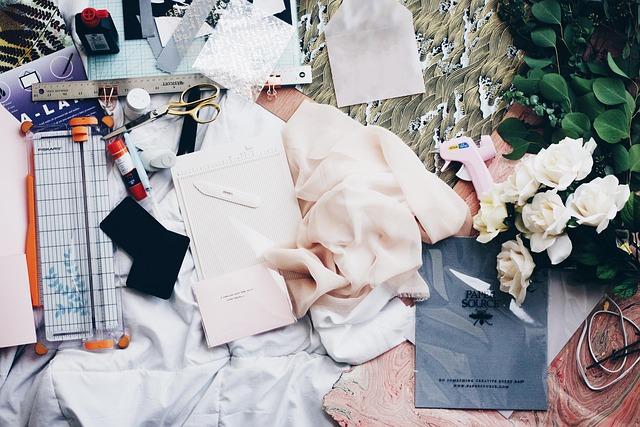
Ever stare at a closet full of clothes and feel like you still have nothing to wear? Before you click “add to cart,” let’s turn what you already own into outfits you can’t wait to repeat. This is your sustainable closet glow-up: simple, budget-friendly DIY fashion hacks that refresh your style while keeping fabric out of landfills.
In this guide, you’ll learn easy ways to tailor without a sewing machine, revive faded favorites, and reimagine “meh” pieces into go-tos-think hemming hacks, button swaps, natural dye tricks, clever mending, and styling tweaks that make old clothes feel new. We’ll focus on quick wins you can do in an afternoon as well as weekend projects, using tools you probably already have.
Get ready to save money, reduce waste, and build a wardrobe that actually works for your life. Your most sustainable outfit is the one you’ll wear again-and after this, you’ll want to wear everything.
Table of Contents
- Closet audit and capsule planning Create keep mend donate piles, identify gaps, and build mix and match outfits
- Visible mending that looks designer Sashiko on stress points, decorative darning on knits, and natural dye overhauls
- Upcycle basics into on trend pieces Turn button downs into wrap tops, jeans into shorts and a bucket hat, and tees with elastic shirring
- Low impact care that extends garment life Wash cold with a microplastic filter, air dry with smarter hangers, and shave pills from knits
- Final Thoughts
Closet audit and capsule planning Create keep mend donate piles, identify gaps, and build mix and match outfits
Start with a zero-judgment try-on party: empty your hangers, cue a favorite playlist, and sort with intention. Build three decisive piles-Keep, Mend, and Donate/Sell-to separate what serves you from what simply takes up space. Prioritize pieces that fit your life right now, not a fantasy schedule, and trust your hands as much as your eyes: fabric feel, seam strength, and drape matter. Keep a small repair kit nearby so tiny fixes don’t become procrastination traps, and designate a visible tote for outgoing items so they actually leave the house.
- Keep: Fits beautifully, worn often, aligns with your color story, and makes you feel like you-no caveats.
- Mend: Quick wins (loose buttons, tiny hems, lint/pilling, missing hook). If it takes under 15 minutes, it’s a same-day fix.
- Donate/Sell: Duplicates, wrong size, “meh” every time you try it on, or not worn in 12 months. Resell premium; recycle textiles if unwearable.
With the visual noise gone, map your wardrobe’s missing pieces and curate a tight capsule that multiplies outfits without multiplying items. Choose 2-3 neutrals plus 1-2 accent colors, anchor on silhouettes you love, and use simple outfit math: every bottom should pair with at least three tops, and every layer should finish at least three looks. Snap photos of winning combos, track what you reach for weekly, and create a mindful “gaps” list-then shop your closet first, thrift or tailor second. The goal: mix-and-match ease that makes mornings effortless and your footprint lighter.
- Palette: Pick your base (e.g., black, taupe, ink blue) and two accents that flatter your skin tone.
- Formulas: Tee + tailored trouser + light jacket; knit + midi skirt + boots; button-up + denim + loafers.
- Gaps List: Note the workhorses missing (e.g., crisp white shirt, sleek sneaker, neutral belt).
- Rule of 3: If an item can’t star in three outfits, it’s not capsule-ready-alter or release it.
- Outfit Library: Save flat lays or mirror pics in a folder for fast getting-dressed decisions.
Visible mending that looks designer Sashiko on stress points, decorative darning on knits, and natural dye overhauls
Turn rips into runway moments by layering Sashiko stitching over high-wear zones-think knees, elbows, pockets, and bag corners. Sketch a light pencil grid and work rhythmic running stitches in geometric motifs (asanoha stars, seigaiha waves) to both reinforce fabric and add graphic polish. Slip a thin cotton patch behind the area, baste, then stitch through all layers so the mend acts like a hidden armor plate. Mix thread weights for depth, play with high-contrast color on denim, or go tone-on-tone for a stealth-luxe vibe. Bonus: stacked stitches can replace fragile bar-tacks on pocket edges, and tiny cross-stitches make chic “rivet” accents.
- Sashiko game plan: Mark the stress zone, stabilize with fusible or a hand-basted underpatch, then stitch from center outward to keep tension even.
- Thread + color: Use sashiko cotton or pearl cotton; contrast on dark twill looks designer, while muted flax tones whisper “heritage.”
- Decorative darning on knits: Mushroom-darn holes with woven squares, try Swiss/duplicate stitch to redraw lost stitches, or map a checkerboard to turn snags into intentional texture.
- Natural dye refresh: Pre-wash, mordant if needed, then brew color from avocado pits (blush), onion skins (amber), black tea (mink), or indigo kits (classic blue); bundle-dye with petals for speckled magic.
- Finishing finesse: Steam to set stitches, block knits flat after darning, and wash plant-dyed pieces cool with pH-neutral soap to preserve hue and hand.
Lean into “make it seen” repairs on sweaters: outline holes with a bold whipstitch halo, weave neon grids across a sleeve, or scatter duplicate-stitched motifs (tiny hearts, lightning bolts) for playful punctuation. For faded tees and thrift flips, a natural dye overhaul unifies clashing tones and revives tired fibers-dip-dye hems for gradient drama, or spiral-bind for a subtle, grown-up tie-dye. Layer a light overdye after Sashiko or darning to mellow contrasts and create that lived-in, atelier finish. The result? Pieces that feel art-directed, tougher than before, and proudly low-waste-your closet’s glow-up, stitched by you.
Upcycle basics into on trend pieces Turn button downs into wrap tops, jeans into shorts and a bucket hat, and tees with elastic shirring
Give that oversized shirt a flirty new life by crossing the fronts and cinching the waist-think easy, breezy wrap vibes with zero fuss. Snip off the collar for a clean neckline or keep it for a crisp contrast, then reposition a button or add a hidden snap so everything stays put. Craft ties from the shirt’s back hem or use ribbon for a soft finish, and shave the sleeves into cap or puffed shapes for extra charm. For knits, a quick hit of elastic shirring adds instant texture: it’s the fastest route to a snatched waist, ruffled sleeve hems, or a ruched center panel that looks straight from the boutique.
- Wrap-top hack: Remove the pocket and collar if you like; overlap the fronts to your fit, mark, then stitch a small side opening for ties. Cut two long ties from the back panel (2-3 in wide), turn and press, then attach at the waist. Add a snap or move a button for security.
- Sleeve glow-up: Crop and elasticate the hem for puff sleeves, or slash-and-spread for a flutter shape; finish with a narrow hem.
- Shirring how-to: Hand-wind elastic thread on the bobbin, regular thread on top. Sew parallel rows 1/2 in apart, then steam to shrink. Try a waist panel, sleeve cuffs, or a center-front strip. Works best on light cottons and tees.
Denim deserves a second act: turn worn jeans into tailored cutoffs and a matching bucket hat for a coordinated, off-duty set. Aim for a leg-skimming short with a slight outer-leg angle that flatters, then choose your finish-raw, frayed, or cuffed. Use the leftover legs to patchwork a sturdy hat; the thicker fabric keeps its shape and looks luxe with contrast topstitching. Finish with hardware moments like salvaged rivets, label tabs, or a waistband strip as a hat band to tie the look together-literally and stylistically.
- Perfect cutoffs: Mark inseam length while wearing shoes; angle the outer leg up 1/2-3/4 in for a leg-lengthening curve. For fray, wash and comb out threads; for polish, double-roll and stitch the cuff.
- Bucket hat from scraps: Print a simple 6-panel pattern (crown, side band, brim). Piece panels from leg remnants, add medium-weight interfacing to the brim, and topstitch rows 1/4 in apart for that designer finish.
- Denim detailing: Use flat-felled seams or contrast thread (gold or ecru). Patch small holes with visible mending, or dip-dye the set for an ombré effect. Add the original jeans label to the hat for a cheeky upcycled tag.
Low impact care that extends garment life Wash cold with a microplastic filter, air dry with smarter hangers, and shave pills from knits
Clean smarter, not harsher. Cool cycles keep colors vivid, fibers tight, and your energy bill relaxed-win, win, win. Pair that with a microfiber-catcher (think filter balls or wash bags) to trap tiny shed fibers before they sneak into waterways. Go for gentle detergents, treat stains on the spot, and let your machine do less so your clothes last more.
- Choose cool water (20-30°C / 68-86°F) and a gentle cycle.
- Use a microfiber-catching bag or filter ball to curb micro-shedding.
- Load the drum to 70-80% full to reduce friction and fabric stress.
- Pre-treat stains; avoid “heavy duty” settings for everyday pieces.
- Pick a mild, liquid detergent; add a splash of white vinegar in the rinse as a softener alternative.
Dry and defuzz like a pro. Skip the heat and you’ll skip shrinkage, warping, and fading. Use contoured or padded hangers to preserve shoulder shape, fold knits to prevent sagging, and dry flat when in doubt. When fuzzies pop up, a fabric shaver or sweater comb gives sweaters a fresh-from-the-boutique finish-no snags, no drama.
- Air dry out of direct sun; reshape garments while damp.
- Use wide, padded, or velvet hangers for structure; fold knits instead of hanging.
- Dry flat on a mesh rack; roll in a towel first to blot excess water.
- De-pill with a fabric shaver or sweater comb, moving lightly in one direction on a flat surface.
- Protect delicate straps with tissue under clips; hang bottoms by the inner seams to avoid marks.
Final Thoughts
A closet glow-up doesn’t have to mean a shopping spree-it can start with a needle, a stain stick, and a little creativity. Every time you mend a seam, swap with a friend, or dye something back to life, you’re proving that style and sustainability can share the same hanger.
If you’re feeling inspired, try one small shift this week:
– Give one “maybe” item a second chance with a tweak or trim.
– Host a mini swap with a friend or two.
– Build a tiny care kit: needle, thread, fabric scissors, and a gentle detergent.
– Pick one piece to re-dye, re-button, or re-style three ways.
Your wardrobe is a story you get to rewrite-season after season-without the waste or the wallet ache. Share your favorite upcycle wins or questions in the comments, and tag your before-and-afters with #ClosetGlowUp so we can cheer you on. Ready to keep the momentum going? Stick around for more low-waste style tricks, and let’s make every outfit a vote for the planet.
