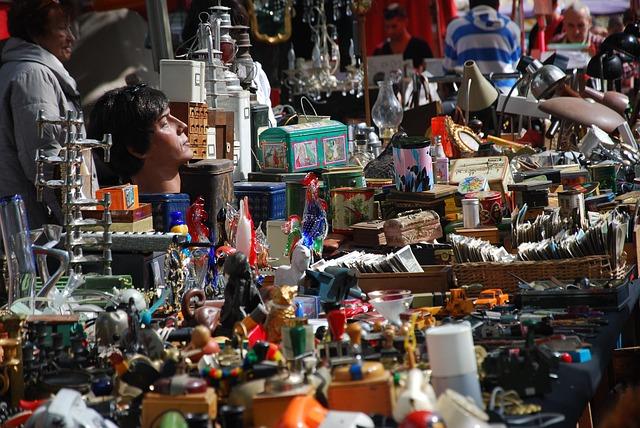
If wandering a sprawling flea market feels like a treasure hunt with a mystery budget, you’re not alone. Between the vintage denim that calls your name and the mid-century chair you swear will fit in your trunk, it’s easy to blow past what you planned to spend. The good news? Scoring great finds without emptying your wallet isn’t luck-it’s strategy.
Large flea markets are their own little ecosystems. Prices shift as the day goes on, sellers have rhythms and preferences, and the best deals don’t always sit front and center. With a little prep and a few savvy moves once you’re on the ground, you can stretch every dollar, shop more intentionally, and still leave with pieces you love.
In this guide, we’ll break down how to stack the odds in your favor-from timing your visit and reading the room to bundling, bargaining, and avoiding the classic impulse-buy trap. Think of it as your friendly, no-stress playbook for navigating crowded aisles, making confident offers, and walking out with both your budget and your new treasures intact. Ready to hunt smarter, not harder? Let’s dive in.
Table of Contents
- Plan your route and timing to grab early bird finds and avoid overspending
- Bring cash in small bills and set a clear offer ladder for confident haggling
- Inspect like a pro and carry a simple repair kit to turn fixer items into bargains
- Bundle across booths and build rapport to score end of day discounts and future deals
- Key Takeaways
Plan your route and timing to grab early bird finds and avoid overspending
Start with a battle plan: pull up the venue map the night before, highlight your must-see categories, and sketch a fast “priority loop” that hits high-value zones first. Enter near the booths you care about most, then snake through aisles with minimal backtracking. Build a short list of stall numbers and backup options so you’re not wandering aimlessly. Aim to arrive early enough to beat the rush-fresh stock and fewer crowds make it easier to spot gems and have relaxed chats with sellers.
- Front-load scarce items: art, mid-century furniture, rare records, and designer vintage go first.
- Cluster by category: group similar vendors so comparisons are quick and negotiating leverage stays strong.
- Use cross-aisle “shortcuts”: hop between anchor booths instead of walking every row end-to-end.
- Carry small bills: fast payments help you snag deals before someone else reaches the cash box.
Guard your wallet with timing rules: give yourself a strict first pass to scout and a second pass to buy, so impulse buys don’t eat your budget. Time-box each zone (set a phone timer) and cap what you’ll spend there; when the bell rings, move on. Keep cash in labeled envelopes, leave the rest in the car, and save a small “wildcard” fund for end-of-day markdowns. If a piece is pricey, take a quick lap-if you’re still thinking about it after 15 minutes, it’s worth a measured offer.
- Set a ceiling per category: e.g., $60 for decor, $100 for furniture, $25 for textiles.
- Two-step buy rule: identify → compare → return with a number; avoids overpaying in the moment.
- ATM avoidance: when cash is gone, you’re done-built-in spending brake.
- Midday audit: quick snack break to total receipts, adjust targets, and re-route to missed sections.
Bring cash in small bills and set a clear offer ladder for confident haggling
Cash talks at a market table, and smaller denominations do the loudest whisper. Carry a tidy stack of ones, fives, and a few tens so you can move fast, make exact change, and avoid the awkward “do you have change for a twenty?” moment that can stall momentum. Keep larger bills tucked away so you don’t signal a bigger budget than you want to show. A simple pocket system or slim pouch lets you pay confidently without fumbling, which makes you look like someone who buys often-and gets better deals.
- Your carry kit: 10-15 $1s, 6-8 $5s, 2-4 $10s, and a few quarters for small add‑ons.
- Two-roll method: “working” cash easy to reach; bigger bills hidden for final-resort buys.
- Exact-change power: flashing the precise amount you just offered helps close in seconds.
- Bundle-ready: small bills let you toss in $2-$5 to swing a multi-item deal.
Plan your negotiation like rungs on a ladder instead of guessing in the moment. Before you approach, decide your ceiling price, then open lower to create room, moving up in small, intentional steps that feel natural. Keep your tone warm and curious, use silence as a tool, and pair price with value-condition, age, or bundle potential-so the conversation stays friendly while you steer it toward your number.
- Anchor smart: start around 60-70% of what you’re willing to pay (or below the tag if it’s marked).
- Climb in small bumps: raise by $1-$5, not leaps; let the seller meet you halfway.
- Trade value, not just dollars: “I can do $18 if the tray’s included.”
- Cash-now close: show the exact bills and say, “I can do this right now.”
- Know your exit: if you hit the ceiling, smile, thank them, and walk-many deals follow you.
Inspect like a pro and carry a simple repair kit to turn fixer items into bargains
Shop with detective eyes. Start with a quick scan for overall shape, symmetry, and odors, then get hands-on: gently wiggle chair legs, sight down table tops for warps, and run a fingernail over ceramic rims to feel for hairline cracks. For textiles, flip hems and seams, check armpits and linings, and hold fabric to the light to spot moth nibbles. With metals, a small magnet helps confirm solid brass versus brass-plated steel, while wood deserves a peek at joints, veneer edges, and any suspiciously shiny “touch-ups.” Bring a pocket light to look inside lamp sockets and bag bottoms, and use a UV keychain to catch hidden stains or repairs in glass and fabric. Document flaws with your phone; they’re leverage when it’s time to haggle.
- Furniture: Check for wobble, missing screws, veneer lifts, and drawer slide action.
- Ceramics/Glass: Fingernail test for cracks, look for clouding, old repairs, and tight-fitting lids/stoppers.
- Textiles/Rugs: Inspect edges and backing for dry rot, uneven fading, or musty odors.
- Clothing: Test zippers, count buttons, inspect under collars and cuffs, and verify fabric content tags.
- Electronics: Power test with your own batteries/power bank; check ports, switches, and bulbs.
- Art/Prints: Look for foxing, water ripples, and acid burn lines around the mat.
Pack a tiny “fix-it” kit to turn flaws into discounts-and quick wins. Sellers are more flexible when you can calmly show the repair needed and its cost. Keep your tools tidy in a zip pouch, and use them to test before you buy (not to alter the item on a seller’s table). When you point out a loose knob or missing button, pair it with a friendly offer: “This needs a ten-minute fix-could you do $20?” Then, after purchase, do a fast clean or tighten so the piece rides home safely and doesn’t become a project pile.
- Essentials: Mini multitool, precision screwdrivers (including eyeglass size), tape measure, small level, magnet, UV keychain light.
- Power/Testing: AA/AAA batteries, compact power bank + cable, spare light bulb + small socket adapter.
- Quick fixes: Super glue gel, wood glue + rubber bands, fabric tape or stitch kit, safety pins, zip ties, painter’s tape.
- Clean-up: Microfiber cloth, stain wipes, magic-eraser pad, leather conditioner packet, cotton swabs.
- Transport: Foldable tote, bubble wrap or towel, nitrile gloves.
- Negotiation tip: Show the issue, state the fix and cost, then bundle items for a better price.
Bundle across booths and build rapport to score end of day discounts and future deals
Think beyond a single table-vendors often chat with their neighbors and love a buyer who connects the dots. Spot pieces that naturally go together (a mid-century lamp here, the shade or bulbs two booths over) and make a friendly, specific offer that spans both. Name-drop in a positive way: “I’m eyeing the crates from Ana next door; if I grab your enamel sign too, could we both do a better price?” It signals commitment and saves them time re-packing. Keep your tone warm, your ask clear, and your cash ready.
- Bundle complementary finds from adjacent sellers to create a value story they can say yes to.
- Anchor your offer with a round number for the whole lot, then let each vendor slice their share.
- Name-drop kindly (“from the corner booth with the blue awning”) to show genuine browsing, not pressure.
- Flash exact cash and a tote-frictionless deals feel safer and faster for both parties.
Relationships compound savings. Learn names, ask about new stock days, and share a short wish list so sellers think of you when they unpack. As closing time nears, circle back with a smile and a fair, take-it-now number-cash in hand, no haggling marathon. When you’re respectful and consistent, you’ll be remembered as the buyer who makes packing easier and inventory move.
- Get on their radar: swap cards or follow their IG; DM before market day to pre-bundle.
- Time the “last-lap”: end-of-day offers work best for bulky or slow movers.
- Offer future value: ask for a “regulars” price on repeat visits or bulk buys.
- Be helpful: tidy browsing and quick decisions build trust-and often, tomorrow’s deal.
Key Takeaways
If there’s one thing big flea markets teach us, it’s that a little prep and a lot of curiosity go a long way. Go in with a plan, stick to your budget, and let yourself have fun with the hunt-because the best finds aren’t just bargains, they’re stories you’ll take home.
Quick market-day checklist:
– Cash (small bills), a tote or foldable cart
– Measurements, tape measure, and painter’s tape for sizing
– Phone photos of your space and a portable charger
– Snacks, water, sunscreen, comfy shoes
– A polite haggle script and a firm walk-away price
Now it’s your turn: What’s your best flea market score-or your funniest bargaining moment? Drop it in the comments, and tag me in your treasure pics. If you found these tips useful, share this post with a fellow thrifter and subscribe for more budget-savvy guides. Happy hunting!
