
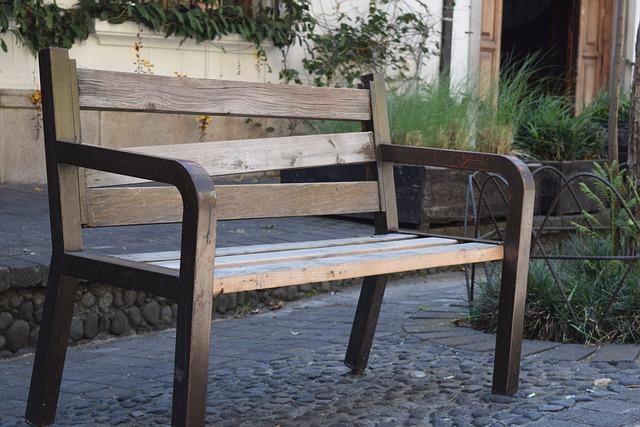
There’s something irresistible about a well-worn rustic chair-the dings in the wood, the sturdy silhouette, the stories it seems to hold. But when the seat is sagging and the fabric has seen better days, it’s easy to push it into a corner. Don’t. A simple upholstery refresh can turn that tired treasure into the standout piece your space deserves.
Upholstery is one of the most budget-friendly, sustainable ways to update furniture, and it’s more approachable than it looks. With the right fabric, a little foam, and a few basic tools, you can keep the chair’s charming patina while giving it all-new comfort and style. Whether you’re drawn to farmhouse stripes, textured linen, cozy boucle, or a bold pattern that makes the wood pop, the transformation is entirely yours.
In this post, we’ll cover how to assess your chair, choose materials, estimate costs, gather tools, and tackle the steps with confidence-plus a few clever tricks to avoid common pitfalls. Ready to give that rustic beauty new life? Grab your staple gun and a cup of coffee; let’s get started.
Table of Contents
- Assess the Chair Structure and Rustic Potential
- Choose Durable Fabrics that Complement Weathered Wood
- Prep the Frame Remove Old Upholstery Fix Loose Joints Add Fresh Padding
- Finish with Neat Seams Welting and Protective Wax or Varnish
- Closing Remarks
Assess the Chair Structure and Rustic Potential
Start with the bones. Set the chair on a flat surface and test for wobble, twist, and creaks. Flip it over to examine the underside: seat rails, stretchers, and joints should feel snug, not spongy. Look for gaps at the joints, hairline splits in high‑stress spots, rusted screws, or nails that have loosened the wood. Sniff for mustiness (mildew) and scan for powdery sawdust trails that hint at pests. Identify the wood species if you can-oak, pine, maple-and note how it aged; a hard-earned patina tells you where to preserve character, while structural issues tell you where to reinforce. A quick rock test, a gentle tug on each leg, and a tap with your knuckles can reveal hidden weakness or solid craftsmanship.
- Frame integrity: Wobble, racking, loose or missing stretchers, and cracked seat rails.
- Joinery health: Mortise‑and‑tenon or dowels should be tight; old glue lines that failed will look chalky or brittle.
- Surface condition: Check for active rot, lifted veneer, deep splits, or water rings that might signal deeper damage.
- Hardware + fasteners: Oxidized nails and tarnished tacks can be charming; sharp protrusions are not-plan to recess or replace.
- Red flags: Active mold, soft punky wood, or ongoing insect activity require remediation before any upholstery work.
Now imagine the charm. Weathered edges, tool marks, sun‑faded rails, and knots are the storytelling details that make a rustic piece sing-circle what you’ll keep versus what you’ll refine. Consider how texture will play with the frame: nubby linens, vintage grain‑sack stripes, rugged denim, saddle‑toned leather, or wool tweed can echo the wood’s age. If the patina is beautiful but dry, a gentle clean and a matte wax can deepen tone without gloss; if the finish is blotchy, a light scuff‑sand keeps character while smoothing splinters. Note opportunities for subtle accents-antique brass nails, contrast piping, or hand‑stitched straps-to bridge sturdy structure with cozy, lived‑in appeal.
Choose Durable Fabrics that Complement Weathered Wood
That chair has stories; give it a fabric that can keep up. Look for upholstery that laughs off muddy boots and coffee drips without feeling crunchy. Performance weaves and tightly spun naturals offer the sweet spot between rugged and cozy-think solution-dyed acrylics, performance linen, or waxed canvas with a soft hand. Prioritize long-wearing specs and finishes, and don’t forget practical touches like removable, zippered cushions for easy washing and seasonal refreshes.
- Durability cues: 30,000+ double rubs (Wyzenbeek or Martindale), tight basket or twill weaves
- Protection: stain-resistant treatments, moisture repellence, UV fade resistance for sunlit rooms
- Feel matters: choose matte, brushed, or slub textures that soften with time instead of slick synthetics
To make the patina of aged timber sing, echo its grain and grit with tactile, grounded textiles. Weathered wood loves earthy neutrals and muted mineral tones-palettes that look sun-kissed and timeworn rather than brand-new. Introduce subtle pattern and depth with herringbone, tweed, or ticking stripes, and reserve leather for trims or a single cushion to avoid visual heaviness. Aim for fibers and finishes that whisper, not shout, so the frame’s character remains the star.
- Palette pairings: oat, flax, stone, clay, charcoal, slate blue, lichen green
- Texture wins: slub linen, performance chenille, cotton twill, waxed canvas, bouclé with a low, dense loop
- Go-to combos: greyed oak + fog linen; sun-bleached pine + oatmeal herringbone; dark walnut + charcoal tweed; knotty cedar + moss canvas; chippy paint + navy ticking stripe
Prep the Frame Remove Old Upholstery Fix Loose Joints Add Fresh Padding
Give the frame a clean slate before any fabric comes near it. Brush off cobwebs, vacuum crevices, and wipe the wood with a gentle cleaner to lift grime without stripping patina. As you peel back layers, go slow: photograph each stage, then ease out tacks and staples with a flat screwdriver and staple puller, following the order the chair was built in. Keep every panel of the old fabric intact-it’s your ready-made pattern. Bag and label trims, dust covers, and hardware, and make quick pencil notes on the backs of fabric pieces to remember orientation and grain.
- Toolkit: staple remover, needle-nose pliers, small pry bar, upholstery tacks/staples, mallet, fabric scissors, chalk, and a magnetic parts tray.
- Safety first: gloves, eye protection, and a mask-older finishes and padding can shed irritants; work with good ventilation.
- Wood check: look for hairline cracks, loose stretcher rails, or old nail holes; a light scuff-sand and a coat of dewaxed shellac can lock in odor and stabilize thirsty wood.
- Pattern preservation: mark each removed piece (seat front, inside back, outside back) to transfer shape and staple positions later.
With the frame bare, tighten everything that wiggles. Dry-fit joints, then re-glue with quality PVA, clamp square with a band or corner clamps, and add discreet corner blocks for strength. Once solid, rebuild the comfort stack: renew or install webbing first, then foam shaped to the seat with softened edges, and finally a smooth wrap of batting to erase lines under fabric. Keep tension even as you staple, always working from the center out to avoid puckers and to keep the pattern straight.
- Joint repair: inject glue into tenons, clamp 24 hours; replace stripped screws with longer ones or hardwood dowels plus pilot holes.
- Foundation: herringbone jute webbing stretched taut, or modern elastic webbing for more give; cross-weave for balanced support.
- Padding: high-density foam (firm for seats, medium for backs), beveled edges; adhere lightly with spray adhesive.
- Soft layer: cotton or wool batting wrapped and stapled with gentle tension; add a muslin underlayer to perfect the silhouette.
- Finish smart: trim with dust cover (cambric) underneath, test-sit for squeaks, and touch up exposed wood with wax or oil for a warm, rustic glow.
Finish with Neat Seams Welting and Protective Wax or Varnish
Crisp edges make all the difference. After pulling your fabric taut, press and pin for alignment, then stitch with a consistent seam allowance and clip curves so everything lays flat. Add welting (a.k.a. piping) cut on the bias to define the chair’s silhouette-bias-cut strips hug bends beautifully and resist puckering. For visible edges or to hide staples around the seat, a double-welt cord delivers a custom, tailored look. Match patterns at key points, ease fabric around arms, and finish closures with an invisible ladder stitch or a neat topstitch for a subtle accent.
- Tool tip: A zipper or welting foot keeps your stitch tight against the cord.
- Pattern savvy: Align plaids/stripes at centerlines and front edges for a pro finish.
- Staple smart: Light fabric glue tacks welting in place before stapling for cleaner lines.
- Corner finesse: Miter the welting at corners; steam lightly to relax any ripples.
With the fabric perfected, give the frame a protective glow. For a soft, touchable sheen, apply a quality paste wax: wipe on thin, let haze, then buff to a buttery finish. Need tougher defense? Opt for a clear varnish or water-based polyurethane in matte or satin. Scuff-sand lightly (220-320 grit) between thin coats, allow proper cure time, and ventilate well. Unsure of the old finish? A coat of dewaxed shellac as a barrier promotes adhesion. Finish with felt pads under the legs and a final wipe-down-the chair will look freshly dressed and ready to live in.
Closing Remarks
Bringing a rustic chair back to life with new upholstery is more than a weekend project-it’s a small act of preservation. You get to honor the character in every nick and knot while adding comfort, color, and a fresh story to your space. Whether you chose a hardy linen, a bold print, or a leather lookalike, that blend of old bones and new fabric is what gives the piece its charm.
If you’re still on the fence, start simple: clean, tighten, pad, and recover the seat. You’ll be amazed how far small changes go. And if the frame needs extra love or the fabric choice feels daunting, there’s no shame in calling a pro for a little backup.
I’d love to see your transformations-share your before-and-afters or your fabric picks in the comments. Got a question about tools or trims? Drop it below. If this inspired you, stick around for more easy revivals and budget-friendly decor tips. Here’s to more pieces with history, comfort, and a second chance at center stage.
