
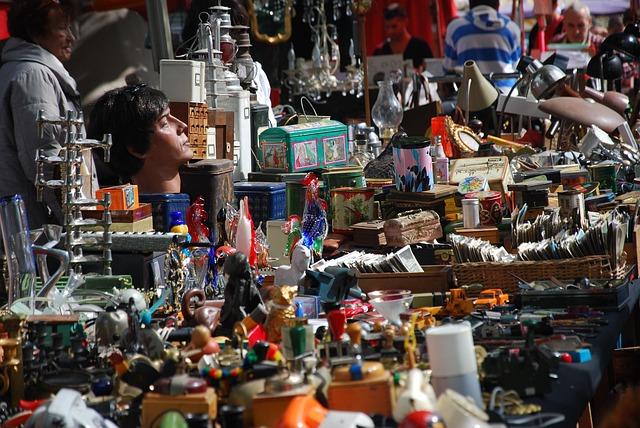
If you’ve ever felt your heart skip at the sight of a perfectly worn-in Bulls tee, a mid-century lamp begging for a second life, or a crate of records that smells faintly of history, welcome-you’re among friends. Chicago’s flea markets are where lakefront breezes meet sidewalk stories, where the L rattles overhead while you bargain for a piece of someone else’s yesterday. It’s part treasure hunt, part neighborhood stroll, and entirely Chicago.
From classic street markets in the shadow of the skyline to sprawling lots a quick ride off the Blue Line, the city’s thrifting scene has a personality all its own: eclectic, unpretentious, and full of characters who know a good deal when they see one. You’ll bump into vintage dealers with encyclopedic knowledge, first-time flippers with big dreams, and aunties selling the best homemade snacks you’ll eat all weekend.
This guide is here to be your easygoing co-pilot. We’ll point you toward the can’t-miss markets, share when to arrive for the best finds (and when to swoop in for end-of-day steals), and walk you through friendly haggling, getting there without blowing your budget on parking, and what to pack so you shop like a pro. Consider it your shortcut to the good stuff-plus a few food tips to keep you fueled while you browse.
So lace up comfy shoes, grab a tote and a few small bills, and bring your curiosity. Chicago’s flea markets are open, the stories are waiting, and your next great find is just a table away.
Table of Contents
- Start Here: Randolph Street Market for curated vintage, Maxwell Street Market for bargains, Wolffs Flea Market and Kane County for big hauls
- What to Hunt For and What to Pay: Mid century dressers, Chicago sports tees, vinyl and tools, realistic price ranges and friendly haggling tips
- When to Go and How to Plan: Early bird strategy, monthly and seasonal schedules, rain or shine prep and CTA friendly routes
- Logistics That Save the Day: Cash and small bills, foldable cart and tote, parking intel, nearby coffee and taco stops
- Final Thoughts
Start Here: Randolph Street Market for curated vintage, Maxwell Street Market for bargains, Wolffs Flea Market and Kane County for big hauls
Not sure where to point your tote bag first? Let your vibe pick the destination. For tightly curated fashion, statement jewelry, and mid-century pieces that feel gallery-worthy, head to Randolph Street Market. Craving the thrill of the hunt and legendary street food with your scores? Make it Maxwell Street Market. Bring small bills, comfy shoes, and a flexible plan-you’ll want to loop back for second looks.
- Randolph Street Market
Best for: Curated vintage clothing, design-forward decor, vinyl, and artisan finds
Expect: Polished booths, price-tagged merch, card-friendly vendors, and photo-worthy displays
Pro tip: Arrive early for first picks, late for bundle deals; keep measurements on your phone for furniture and frames - Maxwell Street Market
Best for: True bargains, tools, sneakers, everyday housewares, and mouthwatering Mexican street food
Expect: Haggling, fast pace, weather-dependent setup, and plenty of surprises in every aisle
Pro tip: Bring small bills, bundle items to negotiate, and fuel up with a huarache or elote between laps
Going for sheer volume? Aim your cart toward Wolff’s Flea Market and the sprawling Kane County Flea Market. These are the places to load up on bulk bins, housewares, salvage, and furniture-perfect for resellers, DIYers, and anyone furnishing on a budget. Pack a foldable cart, blankets, and bungees; a tape measure and a little patience turn good finds into great ones.
- Wolff’s Flea Market
Best for: Big hauls, flip-friendly finds, tools, toys, and everyday essentials at friendly prices
Expect: Sunrise energy, rows upon rows of tables, cash-speed transactions, and frequent restocks
Pro tip: Sweep the perimeter first, then zig-zag; ask to test electronics and bundle for better per-piece pricing - Kane County Flea Market
Best for: Furniture, primitives, architectural salvage, quilts, glass, and collections with history
Expect: Barns plus outdoor fields, miles of browsing, and “early-bird” moments on big items
Pro tip: Bring blankets for the car, note booth locations on your phone map, and circle back near closing for final offers
What to Hunt For and What to Pay: Mid century dressers, Chicago sports tees, vinyl and tools, realistic price ranges and friendly haggling tips
Treasure-hunting sweet spot: go for sturdy mid-century dressers with dovetail joints and original pulls-expect about $120-$450 for solid wood; veneer or wobble brings it down to $60-$150. True-label beauties (Lane, Broyhill, Drexel) can reach $400-$900 depending on condition. Chicago sports tees are plentiful: modern reprints run $8-$20, single-stitch ’80s/’90s pieces typically $15-$40, and rare playoff or player tees can fetch $60-$150+. For vinyl, common rock/soul is $3-$10, clean first presses and cult favorites sit around $25-$75; Chicago house and blues 12″s often land in the $8-$20 pocket. Tools are sleeper deals: USA-made hand planes and chisels $15-$50, Craftsman wrenches $10-$35, socket sets $20-$60, and battered-but-fixable power tools $15-$40-bundle for better math.
- Dressers: Check legs, veneers, drawer glide; water rings or chipped veneer = fair offer below ask.
- Tees: Single stitch, soft fade, and true tags (Screen Stars, Hanes 50/50) signal value.
- Vinyl: Inspect under bright light; look for warp, deep scratches, and mold smell; sleeves add value.
- Tools: Favor USA/Japan/West Germany stamps; surface rust is fine-pitting isn’t.
Haggling is neighborly sport here-smile, ask questions, and respect the work. Use a gentle opener like, “Would you consider cash at about 20% off if I take it today?” Bundle where you can: two tees + a record + a wrench rolls into one friendlier total. Point out fixes needed (loose leg, seam hole, scuffed jacket) to justify your number without nitpicking. Early birds pay closer to sticker; late afternoon often nets 10-30% wiggle room. Bring small bills, measure before you buy big furniture, and test electronics if power is available. If the price is firm, ask for a small throw-in (a record sleeve, extra bit, or hardware) and keep it cheerful-relationships earn repeat-deal perks.
- Soft scripts: “If I grab these three, could we do $40 out the door?”
- Condition leverage: “It needs new knobs and a refinish-how about we meet at $180?”
- Timing play: “I can load it now in cash-would $300 work?”
- Walk-away grace: “Totally fair if not-here’s my number in case it doesn’t move.”
When to Go and How to Plan: Early bird strategy, monthly and seasonal schedules, rain or shine prep and CTA friendly routes
Go early, shop smart, leave triumphant. The best finds hit the tables first, so plan to arrive at opening (vendors often set up even earlier). Map a quick “first sweep,” then circle back for negotiations-if your heart’s pounding, buy it now; if you’re on the fence, snap a pic and note the booth. Bring small bills for faster deals, a measuring tape for furniture, and a tote or foldable cart so you can keep hands free. Hydrate, snack, and set a soft budget-then keep a “maybe” fund for the showstopper you didn’t plan on.
- Early-bird moves: Park near an exit, or pick a CTA stop closest to the gate; walk straight to high-value zones (tools, rugs, mid-century, denim).
- Bargain basics: Bundle items, ask “What’s your best if I take both?” and carry exact cash for the number you want to hear.
- Pack light: Crossbody bag, portable phone charger, painter’s tape for marking dimensions, and a lightweight rain poncho.
- Vendor-friendly etiquette: Don’t stash unpaid items; if you need time, ask to start a hold pile and confirm how long it’s okay to leave it.
Time your hunts with the calendar-and the clouds. Many Chicago markets are monthly or seasonal: outdoor fairs bloom May-October, with indoor editions or special holiday markets in the colder months. Always check official sites/socials the week-of for date shifts. If skies turn moody, prioritize covered aisles and bigger vendors who can keep stock dry. For car-free treasure hunts, ride the CTA early to beat crowds and snag elbow room for that brass floor lamp.
- Typical cadence (subject to change): Sunday street markets run most weeks in warm months; marquee vintage/antique fairs pop up monthly; larger suburban fleas tend to anchor the first weekend. Winter brings fewer but cozy indoor shows-set alerts and pounce.
- Rain-or-shine kit: Waterproof tote or trash bags for textiles/art, quick-dry layers, cap + sunscreen, grippy shoes, microfiber towel for wiping finds.
- CTA shortcuts: West Loop vintage/antique fairs-Green/Pink Line to Morgan; Maxwell Street-area markets-Blue Line to UIC-Halsted or Pink to Polk; Pilsen pop-ups-Pink to 18th; Rosemont mega-flea-Blue to Rosemont + Pace bus or short rideshare. Use a 1-day Ventra pass, travel off-peak, and bring a collapsible cart (stand clear of doors).
- Plan B for weather: Start with outdoor-only sellers first, then duck to covered rows. Pre-set a “wet discount” number in your head, and ask politely-rain can make deals sunnier.
Logistics That Save the Day: Cash and small bills, foldable cart and tote, parking intel, nearby coffee and taco stops
Cash is king at most stalls, and having small bills keeps haggling smooth and speedy. Tuck a few twenties away for big scores, but let singles and fives do the talking; vendors are far more likely to sweeten a deal when you make exact offers. Pair that with a foldable cart and a sturdy zip-top tote so your hands stay free for digging-bonus points for a cart with stair-friendly wheels and a couple of mini bungees. Think like a pro: protect delicate finds with a spare scarf or newspaper, keep a compact tape measure for furniture and frames, and stash a reusable rain cover because Chicago weather loves drama.
- Bring: Small bills in a flat wallet, one card for backup, coin pouch for change
- Carry: Foldable cart, zippered canvas tote, mini bungees, lightweight tape measure
- Extras: Reusable rain cover, hand wipes, painter’s tape for tagging “sold”
For the on-the-ground game plan, parking intel is your secret superpower. Arrive right at open for easier street parking, always scan for permit-only zones, and use the ParkChicago app to dodge meter stress. If you’re hauling bigger pieces, do a quick recon for load-in alleys or curbside pickup spots and grab the seller’s number for a speedy pull-up. Fuel matters, too: map a caffeine stop before you haggle and a taco fix to celebrate your haul-Chicago’s flea routes are blessed with both.
- Parking tips: Check signs twice, use ParkChicago, photograph your block for later pickup, and keep a collapsible blanket to pad the trunk
- West Loop (Randolph Street Market): Coffee at Sawada; tacos and tallboys at Cruz Blanca
- South Loop/Maxwell Street Market: Line up for Rubi’s tacos on-site; grab coffee at Overflow or Dollop nearby
- Pilsen finds day: Espresso at Café Jumping Bean; tacos at Carnitas Uruapan or a quick al pastor along 18th Street
Final Thoughts
Whether you’re chasing mid-century lamps, band tees, or that just-weird-enough conversation piece, Chicago’s flea markets are where stories and second chances meet. From Maxwell Street’s Sunday sizzle to the curated charm of Randolph Street and the treasure-hunt chaos at Wolff’s, there’s a booth (and a bargain) with your name on it.
A few last nudges before you go: bring small bills, a tote, and your best “friendly haggle.” Wear comfy shoes, snap a quick note of measurements if you’re furniture-hunting, and don’t forget sunscreen for those summer strolls. Most of all, be curious-chat with vendors, try the tacos, and let yourself wander. You’re not just shopping; you’re supporting local sellers and keeping great pieces in circulation.
I’d love to hear what you find. Drop your best scores and secret spots in the comments, or tag your haul with #ChicagoThrifter so we can cheer you on. Want more market dates, seasonal pop-ups, and neighborhood vintage guides? Subscribe for the monthly roundup.
See you in the aisles-happy thrifting, Chicago!
