
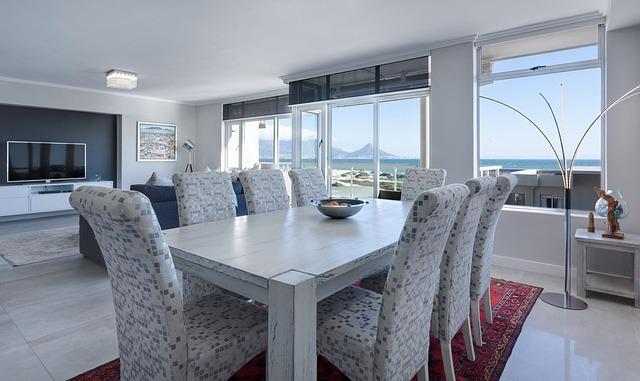
If you think minimalism means stark rooms and owning only five things, thrift shopping might surprise you. At its best, thrifting is less about scoring a bargain and more about learning to choose with intention. When you step into a secondhand shop, you’re not bombarded by glossy “new” or the latest drop; you’re invited to slow down, sort through stories, and find only what truly adds value to your life.
Minimalism isn’t about deprivation-it’s about clarity. And thrifting, with its mix of one-of-a-kind finds and finite inventory, naturally nudges you toward that clarity. You start asking better questions: Do I love this? Will I use it? Does it fit my style and my space? The hunt becomes a filter. You’re less tempted to impulse-buy duplicates and more inclined to choose pieces that last, both in quality and in personal meaning.
There’s also a quiet joy in giving items a second life. Shopping secondhand aligns your home with your values-less waste, more resourcefulness, and a connection to your community. It’s a mindful cycle: bring home only what matters, let go of what doesn’t, repeat.
In this article, we’ll explore how thrift shopping can be a practical path into minimalist living-from defining your personal aesthetic to spending smarter, decluttering with intention, and creating a home that feels calm, curated, and uniquely yours.
Table of Contents
- Build a capsule wardrobe with thrifted essentials that mix and match
- Minimalist home basics from the thrift store choose quality materials and neutral palettes
- Mindful thrifting plan wishlist spending cap measurements and quality checks
- Sustain minimalism repair care one in one out and redonate regularly
- To Conclude
Build a capsule wardrobe with thrifted essentials that mix and match
Think in palettes and proportions. Choose 8-12 high-quality secondhand staples in complementary tones-black, white, camel, navy, or earthy greens-so every piece talks to the next. Prioritize natural fibers and structure that lasts (cotton, wool, linen, leather), and don’t fear the tailor: a $10 tweak can make a thrifted gem feel bespoke. Build around your lifestyle: if your week is 70% casual, 20% smart-casual, 10% dressy, let your closet reflect that ratio. The result is a compact lineup that feels intentional, expressive, and endlessly remixable.
- Crisp button-down (white or blue oxford) – layers with everything.
- Neutral tee (heavyweight cotton) – the base layer hero.
- Structured blazer (men’s section goldmine) – instant polish.
- High-rise straight jeans – medium wash for year-round wear.
- Wool trousers – charcoal or camel for easy pairing.
- Slip skirt – satin or matte for desk-to-dinner.
- Denim or utility jacket – adds texture and ease.
- Trench or classic coat – a timeless topper.
- Knitwear (crew or turtleneck) – merino or cashmere if you score it.
- Leather belt – cinch and define.
- Loafers or sleek sneakers – versatile everyday shoes.
- Minimal ankle boots – elevate basics without trying.
Create simple formulas and repeat them with micro-variations. Use the 3×3 rule: pick 3 tops, 3 bottoms, 3 layers that all mix; then rotate accessories for freshness. Contrast textures (silk with wool, denim with satin), and stick to two neutrals plus one accent color so outfits resolve quickly. Maintain the system with a one-in-one-out habit, seasonal edits, and fabric care that extends each garment’s life. When every piece earns its keep, your closet stays light-and your style stays strong.
- Blazer + tee + straight jeans – add loafers for sharp casual.
- Button-down + slip skirt – knot the hem or half-tuck; sneakers or boots.
- Knit + wool trousers – belt it; trench on top for structure.
- Denim jacket + dressy skirt – balance polish with ease.
- Trench + monochrome base – tone-on-tone elongates the silhouette.
- Layer trick: tee under button-down under blazer; pop the collar, add a belt.
- Color capsules: black/white/camel; navy/grey/cream; olive/tan/ivory.
Minimalist home basics from the thrift store choose quality materials and neutral palettes
When you’re curating a calm, clutter-free space from secondhand finds, let materials lead the way. Reach past trend colors and scan for the quiet confidence of solid wood, linen, wool, stoneware, and full‑grain leather. Quality shows up in details: tight grain and dovetail joints, weighty real metal hardware, smooth-gliding drawers, and cushions with zippers you can open to inspect the fill. Embrace subtle patina-minor scuffs on a sturdy oak side table or a softened leather strap often signal longevity, not wear you need to hide. Your mantra: fewer pieces, better bones, easy to repair.
- Wood: Prefer solid over veneer; check edges and undersides for continuous grain, and feel the weight.
- Metal: Choose iron, brass, or stainless; look for cool heft and screwed (not glued) connections.
- Textiles: Read fiber tags; linen, cotton, wool, and hemp age gracefully and clean up well.
- Leather: Full‑grain develops a rich patina; surface wrinkles and variation are good signs.
- Ceramics & Glass: Stoneware with a clear “ring” and thicker glassware resist chips better.
- Joinery & Hardware: Dovetails, mortise-and-tenon, and solid screws outlast staples and flimsy brackets.
- Rugs: Natural-fiber or hand‑knotted backs indicate durability; avoid stiff, plasticky sheens.
Keep your base palette whisper-soft so every room feels airy and intentional: think warm woods, matte black accents, oatmeal linen, chalky white ceramics. Neutral doesn’t mean flat-layer textures instead of colors: nubby wool throws over smooth leather, open‑grain oak beside honed stone. Let one or two small accents rotate seasonally (a moss-green vase, a terracotta bowl) while the big pieces stay understated. Edit generously, leave negative space on shelves, and let the eye rest; that’s how thrifted treasures read as cohesive, not crowded.
Mindful thrifting plan wishlist spending cap measurements and quality checks
Shop with a plan: before you browse, write a realistic wishlist anchored to your lifestyle-work, weekend, workouts-and choose a tight color palette so pieces play well together. Set a firm spending cap you won’t cross (cash-only or a prepaid card helps), and decide on a one-in-one-out rule to keep closets airy. Pre-commit to a maximum of items per trip and a short time window so you don’t fall into “maybe” piles. Save your measurements in your phone and tuck a soft tape into your bag; when sizes are inconsistent, numbers tell the truth and protect your budget from pretty-but-wrong fits.
- Wishlist with intent: replace worn essentials, upgrade gaps, skip duplicates that don’t improve your daily uniform.
- Cap the spend: assign a trip total and a per-item ceiling guided by cost-per-wear; leave wiggle room only for true unicorns.
- Delay temptation: snap a photo, walk one lap, then reassess; if it still sings and meets the plan, proceed.
- Bring your numbers: body and favorite-garment measurements; wear try-on-friendly layers and the shoes you style most.
Buy by numbers, keep for years: measure garments flat against your saved stats and run quick quality checks that outlast trends. Prioritize fabrics that age well, construction that survives wear, and pieces that need minimal (or worth-it) tailoring. If an item flunks two checks or blows the budget-to-benefit ratio, it’s an easy pass-minimalism thrives on decisive “no’s.”
- Measurement cheat sheet:
- Tops/Outerwear: shoulder-to-shoulder, pit-to-pit (x2), sleeve length, back length.
- Bottoms: waist (flat x2), rise (front/back), hip (x2), thigh, inseam, leg opening.
- Dresses: bust/waist/hip (x2), shoulder, total length; note stretch and ease.
- Fabric + feel: favor dense knits, tight weaves, natural blends; avoid scratchy synthetics that pill or trap odors.
- Stitching: even seams, secure bar tacks, intact hems; tug gently-no popping threads.
- Closers: smooth zippers, tight buttons, firm snaps; spare buttons/extra thread are green flags.
- Wear zones: check elbows, seat, underarms, cuffs for thinning, stains, or deodorant build-up.
- Lining + structure: clean armholes, no tears or bubble hems; shoulder pads and interfacing lying flat.
- Smell test: pass on smoke/mildew; sunlight or phone flashlight reveals hidden stains and moth bites.
- Alteration math: simple hems/waist nips are worth it; major reworks kill the deal unless the piece is exceptional.
- Care reality: dry-clean-only vs your routine; buy what you’ll actually maintain.
Sustain minimalism repair care one in one out and redonate regularly
Minimalist living sticks when your closet feels curated and cared for. Treat every secondhand find like a long-term companion: prioritize repair over replacement, gentle care over constant washing, and adopt a simple one‑in‑one‑out rhythm so your space stays light. A small mending ritual-ten minutes with needle and thread, a dab of fabric glue, or de-pilling a sweater-turns maintenance into a mindful habit. The bonus of thrifting is that quality often shows up in unexpected places; with a little TLC, those pieces earn many more wears and a much lower cost-per-use.
- Care cues: air garments between wears, spot‑clean, steam instead of wash, and rotate shoes to extend life.
- Micro repair kit: needles, neutral threads, spare buttons, fabric shaver, nontoxic cleaner, tiny scissors.
- Skill boost: save two quick mending tutorials and locate a local repair café for trickier fixes.
- Calendar nudge: a monthly 15‑minute “fix + freshen” session keeps piles from forming.
Keep your wardrobe circulating, not accumulating. When something new arrives, let a similar item go-then re‑donate thoughtfully so value keeps moving through the community. Create an “exit lane” at home (a labeled tote by the door) and run seasonal sweeps so pieces you’ve outgrown can find their next wearer. This rhythm honors the spirit of thrifting: use well, pass along kindly, and make room only for what you truly love and use.
- One‑in‑one‑out trigger: each new piece prompts a release of one comparable item.
- 90‑day check: if unworn for three months (seasonally adjusted), reassess and re‑donate.
- Give‑back channels: local thrift stores, community closets, Buy Nothing groups, shelters.
- Light tracking: keep an “ins/outs” note to spot patterns and avoid impulse keeps.
To Conclude
Minimalism isn’t about having less for the sake of it-it’s about making room for what matters. Thrift shopping naturally nudges us there: it slows us down, invites us to choose with intention, and helps us curate a home and wardrobe that feel like us, not like a trend. Plus, it’s gentler on both the planet and your wallet.
If you’re feeling inspired, start simple. Make a short list of what you truly need, set a budget, and try a one-in-one-out rule for anything you bring home. Browse with patience, check quality, and let yourself walk away if it’s not a clear yes. The win isn’t the bargain; it’s the clarity.
I’d love to hear from you: what’s your best thrift find that genuinely simplified your life? Share in the comments, and if this post helped, pass it on to a friend who’s curious about living with less. Happy thrifting-and even happier living with intention.
