
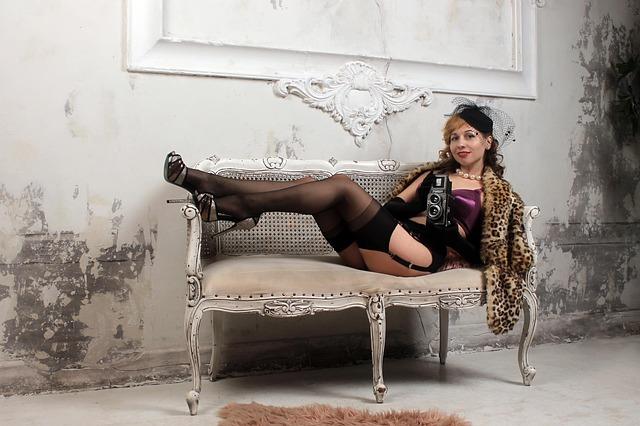
Slip on your cat-eye sunnies and hop in the time machine: we’re heading straight to the golden age of the wardrobe. The 1950s and 60s were decades when hemlines sparked headlines, silhouettes told stories, and a dress could define an era. From Dior’s nipped waists and full skirts that swished with postwar optimism to the sleek wiggle dresses of pin-up fame, the 50s celebrated curves and polish. Then the 60s hit the scene with a youthful jolt-think Mary Quant minis, mod shifts, bold prints, and the easy elegance of Jackie O and Audrey Hepburn.
These iconic dresses weren’t just pretty; they were cultural milestones. They mirrored changing roles for women, new music and art, and a world moving faster than ever-yet somehow more playful, too. Today, their influence is everywhere, whether you’re thrifting a vintage treasure, styling a high-street dupe, or just craving that timeless confidence only a great dress can bring.
In this article, we’ll revisit the silhouettes that made fashion history, spotlight the muses who wore them best, and share tips to channel the look now. Ready to spin through the decades? Let’s unzip the past and step into the dresses that defined the 50s and 60s.
Table of Contents
- The New Look full skirt era of the fifties: how to spot quality circle cuts and the petticoats that add lift without bulk
- Bombshell wiggle and classic sheath dresses: key seams fabrics and the supportive underpinnings that create the silhouette
- From shift to mod in the sixties: choosing the right hemline prints and accessories for Jackie chic or Mary Quant edge
- Smart shopping and care today: reliable reproduction brands fit checks thrift strategies and storage that preserves vintage
- In Conclusion
The New Look full skirt era of the fifties: how to spot quality circle cuts and the petticoats that add lift without bulk
When you spot a true mid-century circle, you’ll feel it before you see it-the skirt falls in a smooth bell with no bunching at the hips and an even hem that wants to twirl. Look for a generous hem sweep (often 180 inches or more), fabric with body like polished cotton, faille, or lightweight wool, and construction that respects the grain so the drape doesn’t torque after cleaning. Quality pieces favor a secure waist finish-think a structured waistband with a hidden waist stay, a neat lapped metal zipper, and pocket seams that don’t distort the silhouette. Hem details also tell the story: a deep turned hem, bias facing, or a whisper of horsehair braid for lift without stiffness.
- Clues of a great circle cut: few seams above the hip; even, ripple-free hang; consistent flare all the way around.
- Smart finishing: interfaced waistband, tidy hand-stitching on hems, and matched motifs on printed fabrics.
- Proportions to watch: skirt length and hem sweep should balance your frame; mid-calf with a full 360° swing is classic.
- Try-on test: sit and stand-quality circles spring back with shape, not creases.
The secret to sky-high volume without feeling like a lampshade is the right underlayer. Skip scratchy, overbuilt crinolines and opt for soft chiffon or organza petticoats that concentrate ruffles at the lower third, letting your waist and upper hips stay sleek. Choose a length that finishes about 1-2 inches shorter than your hem, and layer lightly-two airy petticoats often beat one stiff one. Look for a breathable lining, a comfortable elastic or drawstring waist, and consider a horsehair-trimmed flounce for buoyant movement that doesn’t add bulk where you don’t want it.
- Best picks: multi-tier chiffon, nylon organdy with a soft hand, or a double-layer style (smoother outer, net inside).
- Shape-savvy: A-line petticoats that hug high on the waist and flare mid-thigh keep volume low on the hips.
- Care tips: shake and steam to revive; cool wash in a bag; a touch of spray starch on the hem ruffle only.
- Styling hack: rotate the petticoat opening to the back for a cleaner front line and prettier swish.
Bombshell wiggle and classic sheath dresses: key seams fabrics and the supportive underpinnings that create the silhouette
Curve-hugging sophistication didn’t happen by accident; it was engineered. Tailors sculpted midcentury silhouettes with strategic shaping: think strong waist suppression, hip emphasis, and clean, elongating lines. The “secret sauce” lives in the pattern work and fabric choice-sleek weaves that hold a press, subtle drape that glides over the body, and smart internal architecture that keeps everything crisp. Look for double-ended darts, swan-like princess seams, and a back kick pleat that lets a narrow hem move. Under the shell, light underlining adds stability, while quality interfacings sharpen necklines and armholes. As for textiles, midcentury makers favored smooth, body-friendly workhorses that could skim without clinging.
- Contour (fish-eye) darts at the waist and back: carve the torso and lift the seat.
- Princess seams: uninterrupted vertical lines that lengthen and mold the bust-to-hip curve.
- French darts and bust-to-waist darts: subtle uplift with minimal bulk across the front.
- Back vent or kick pleat: movement without sacrificing a tapered hem.
- Underlining (silk organza or cotton voile) and sew-in interfacings: structure, opacity, and seam strength.
- Era-right fabrics: wool crepe, cotton sateen, rayon faille, silk shantung, gabardine, and early double-knits for a firm, elegant skim.
Under the surface, foundations did the heavy lifting. The smooth, film-star finish came from shaping layers that supported the bust, nipped the waist, and streamlined the hip. Early looks paired bullet or cone bras with longline silhouettes to anchor the dress; by the 60s, cups softened but structure stayed. Hems stayed narrow thanks to girdles and corselettes that kept lines sleek, while a slip or under-slip let fabric slide without catching. If you’re recreating the vibe, modern shapewear can echo the effect-just keep the finish smooth and the lines invisible.
- Bullet/cone bras shifting to rounder cups in the 60s: projection or gentle lift to suit the era.
- Longline bras & “Merry Widow” styles: anchor the torso and define the waist under slim dresses.
- Girdles and roll-ons with garters: keep hips sleek; pair with seamed stockings (later, 60s pantyhose).
- Corselettes and shaping slips: one-and-done smoothing with a clean hem.
- Modern swaps: power-mesh bodysuits, high-waist briefs, stretch lining, and lightweight control slips for the same polished line.
From shift to mod in the sixties: choosing the right hemline prints and accessories for Jackie chic or Mary Quant edge
Channel the polished confidence of a First Lady by keeping lines clean and ladylike: think a streamlined shift that skims the body, a demure hem that kisses the knee, and prints that whisper rather than shout. The result feels timeless, not stuffy, especially when you choose luxe textures and a refined palette that photographs beautifully. Let accessories do the quiet power dressing-curated, coordinated, and impeccably finished.
- Silhouette: Boxy or gently A-line shift with a high jewel or bateau neckline.
- Hemline: At or just above the knee for that poised, camera-ready proportion.
- Prints: Subtle houndstooth, petite polka dots, fine glen check, or monochrome color blocking.
- Fabrics: Bouclé, silk faille, and crisp crepe that hold structure without bulk.
- Palette: Ivory, navy, camel, blush, and soft pastels with black accents.
- Accessories: A neat pillbox hat, a single strand of pearls, wrist-length gloves, a top-handle bag, and low block heels or kitten pumps.
If you crave Swinging London energy, raise the hem and turn up the contrast. The mod mini thrives on sharp geometry, eye-popping color, and a wink of playfulness. Balance the abbreviated length with graphic tights and sleek, space-age accessories-bold, optimistic, and made to move under neon lights and on city sidewalks.
- Silhouette: A-line mini with clean darts; add a Peter Pan collar or contrast piping for punch.
- Hemline: Mid-thigh to micro-mini-confident, leggy, and unstoppable.
- Prints: Op Art swirls, checkerboard, Mondrian blocks, oversized daisies, and bold stripes.
- Fabrics: Wool gabardine, stretch jersey, and glossy PVC or patent accents for that futuristic sheen.
- Palette: Primary brights-cherry red, cobalt, sunshine yellow-anchored with inky black and white.
- Accessories: White go-go boots, opaque tights, a boxy mini-satchel, geometric stud earrings, and a sleek headband.
Smart shopping and care today: reliable reproduction brands fit checks thrift strategies and storage that preserves vintage
Hunting for the silhouettes that made mid-century style iconic? Start by balancing originals with quality reissues from reliable makers like House of Foxy, Vivien of Holloway, The Seamstress of Bloomsbury, Collectif, and Stop Staring!. These brands mirror true 50s/60s patterning-think nipped waists, full skirts, and proper construction-while giving you modern sizing. For fit, measure your high bust, natural waist, and shoulder-to-waist length; compare to the brand’s garment measurements (not just size labels), and choose pieces with side/back seams you can tailor. Thrifting or estate-sale diving? Scan by fabric and silhouette first, then verify era with details like metal zippers, pinked seams, generous hems, and union labels. Don’t fear minor flaws-factor them into price and repairs.
- Quick fit check: allow 1-2 inches of ease at the bust, 0.5-1 inch at the waist; check torso length so the waist seam hits your narrowest point.
- Fabric tells truths: mid-weight cotton sateen, polished cotton, wool blends, and early rayons feel denser than modern fast-fashion weaves.
- Authenticity clues: ILGWU tags, Talon/Coats zippers, metal snaps, horsehair braid hems, and hand-finished facings.
- Thrift tactics: bring a soft tape, small light, and lint roller; inspect underarms/hem edges; set alerts on resale apps and build rapport with sellers.
Preserving your find is half the magic. Start with a gentle triage: spot test for colorfastness, mend seams before washing, and choose the least aggressive clean. Sturdy cottons and some rayons do well with cool handwashing and a delicate detergent; silk, taffeta, beaded, or structured pieces are safer with a vintage-savvy cleaner. Press inside out with a low-heat iron and pressing cloth; steam skirts from a distance to keep volume. Replace brittle elastic and missing hooks with era-appropriate notions, and document labels/tags for provenance.
- Store smart: breathable cotton garment bags-not plastic-to prevent moisture trapping.
- Shape matters: pad shoulders with acid-free tissue; fold heavy beaded pieces to avoid stretch, padding folds to prevent creases.
- Environment: cool, dark, and dry (around 45-55% humidity); keep away from sunlight and heat vents.
- Pest prevention: clean before storing; use cedar or lavender sachets and check quarterly; freezing (sealed) can halt moth activity in emergencies.
- Long-term care: rotate items on the hanger, avoid wire hangers, and archive delicate pieces in acid-free boxes with tissue.
In Conclusion
From cinched waists and sweeping circle skirts to sleek shifts and daring minis, the dresses of the 50s and 60s didn’t just follow trends-they set the blueprint for timeless style. Whether you’re drawn to the elegance of a classic fit-and-flare or the clean lines of mod silhouettes, these pieces prove that great design never goes out of fashion.
If this era has you inspired, try mixing one vintage hero piece into your modern wardrobe-think a tea-length dress with sneakers, a sheath with a sharp blazer, or a mod mini with opaque tights. And if you’re thrifting or shopping secondhand, keep an eye out for quality fabrics, sturdy zippers, and thoughtful tailoring that stand the test of time.
I’d love to know: which iconic look is your favorite? Have you found any vintage gems lately? Drop your thoughts in the comments, share this with a fellow retro-lover, and tag your recreations-I can’t wait to see your spin on these classics. Here’s to dressing with a little history, a lot of personality, and all the twirl-worthy charm of decades past.
