
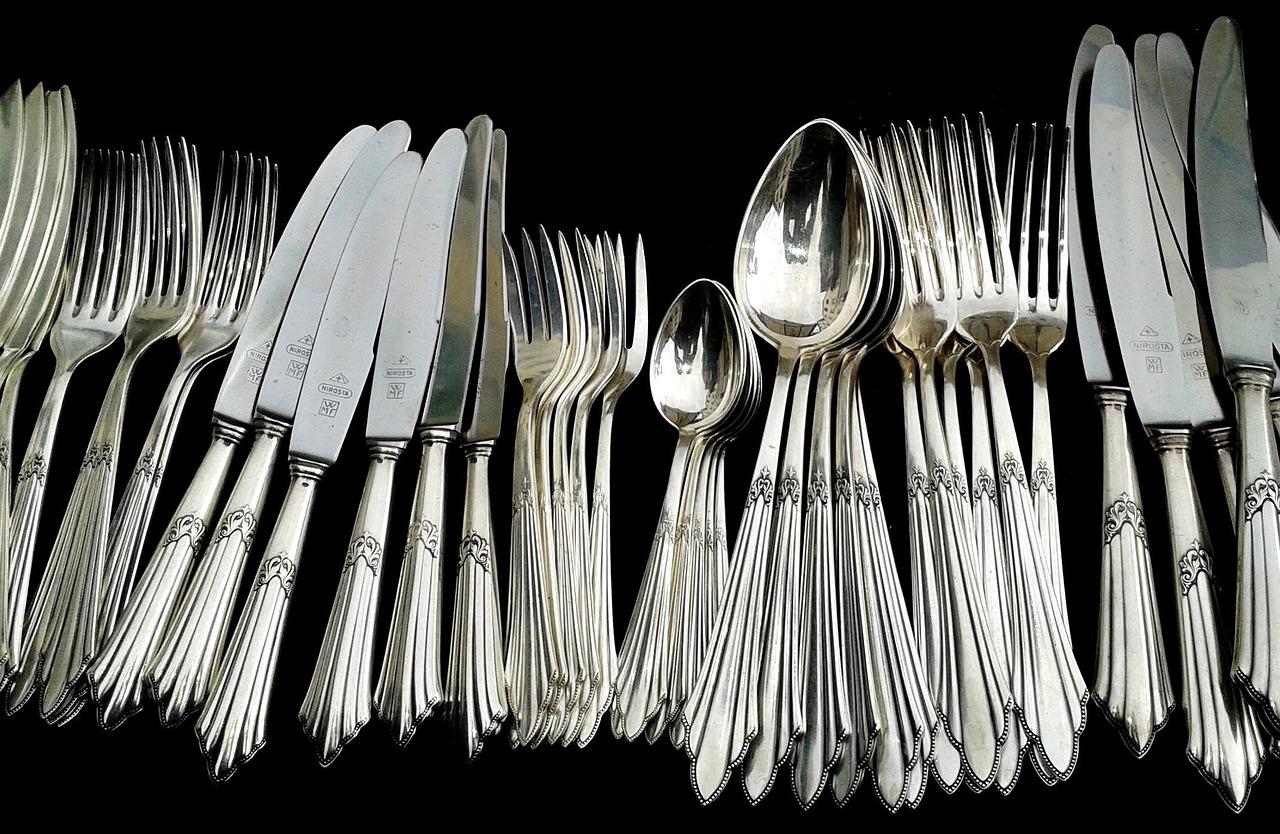
If you’ve ever opened a velvet-lined case and caught the soft gleam of old silver, you know the feeling: part time travel, part treasure hunt. Antique silverware and dining sets carry stories in every scratch and swirl, from candlelit dinners a century ago to the family gatherings you’re hosting next weekend. There’s a reason we call them heirlooms-they connect us, instantly, to craft, ritual, and the joy of a well-laid table.
In this guide to heirloom charm, we’ll explore how to bring antique silver and vintage place settings into everyday life without fuss. Whether you’ve inherited a jumble of forks, stumbled on a mismatched bundle at a flea market, or are eyeing your first investment piece, you’ll find friendly advice on what to look for, how to care for it, and fun ways to style it-no butler required. We’ll talk hallmarks and patterns, sterling versus silver plate, the polish-versus-patina debate, and smart sourcing tips that won’t break the bank. You’ll also learn how to mix eras and metals, set a table that feels personal (not museum-like), and actually use these pieces for weeknight pasta as easily as a holiday roast.
Ready to let your table tell a story? Pull up a chair, pour something bubbly, and let’s make antique silver feel right at home.
Table of Contents
- Spot real sterling fast decoding hallmarks and makers like Gorham Christofle and Sheffield
- Build a beautiful set mix and match patterns with starter checklists and budget friendly pairings
- Care that keeps the glow hand washing gentle polishing and storage with Hagerty Wrights and Pacific Silvercloth picks
- Shop with confidence trusted sources from estate sales to Ruby Lane and what to ask before you buy
- Insights and Conclusions
Spot real sterling fast decoding hallmarks and makers like Gorham Christofle and Sheffield
Quick visual clues can save you at the flea market table. Start with fineness marks: in the U.S., look for STERLING, 925, or 925/1000. British silver typically carries a lion passant plus a town mark and date letter; older Sheffield sterling shows the crown (pre-1975) and later a rose, while plated wares often say EPNS, A1, or “Sheffield Plate.” American maker Gorham is famous for the trio lion-anchor-G accompanied by “STERLING” and pattern numbers. French luxury house Christofle is usually silverplate: expect the word “CHRISTOFLE” and a hallmark with balance scales flanked by C letters-beautiful quality, but not solid silver; French sterling instead shows the Minerva head with a numeral (1=950, 2=800).
- Real sterling tells: “STERLING,” “925,” lion passant; crisp, deeply struck marks in a line or cluster.
- Gorham: lion-anchor-G + “STERLING”; early pieces may add tiny date letters or pictograms.
- Sheffield (sterling): lion passant + crown (pre-1975) or rose (post-1975) + date letter; Sheffield Plate/EPNS = plated.
- Christofle: “CHRISTOFLE” and scales-with-C hallmark; typically plated. French solid silver = Minerva.
- Avoid confusion: a single anchor can be Birmingham’s town mark in UK hallmarks-confirm the full set, not just one symbol.
When you can’t linger, quick field tests help confirm what the stamps suggest. Handle with care to avoid scratching, and test on an inconspicuous spot if you must.
- Magnet check: Silver isn’t magnetic; if a strong magnet grabs, it’s not sterling (though many plated bases are also non-magnetic).
- Ice/thermal test: Silver conducts heat fast-ice melts rapidly on genuine silver compared with steel.
- Tarnish + wear: Sterling tarnishes gray/black; plate may reveal yellow/copper at rub points or edges.
- Weight and ring: Sterling feels dense vs. stainless; a gentle tap can produce a warmer ring than plate, though patterns vary.
- Lettering style: Deep, sharp struck hallmarks beat shallow, laser-etched logos; look for consistent font and spacing.
Build a beautiful set mix and match patterns with starter checklists and budget friendly pairings
Layering heirloom silver with everyday dinnerware is the secret to a table that feels collected, not contrived. Start by choosing a unifying thread-finish (bright, matte, or timeworn patina), motif (fiddle, shell, bead), or era (Victorian, Art Deco)-then let contrast do the rest. Mix ornate serving pieces with sleek plates, pair monogrammed teaspoons with modern mugs, and balance sparkle with texture. Keep tones harmonious: cool silvers love crisp whites, soft greys, and inky blues; warm pewter sings with cream, taupe, and olive. Build gradually, celebrating stories in every scuff and engraving.
- Starter settings: 6-8 each of dinner forks, table knives, and teaspoons (add salad forks and soup spoons as you go).
- Service heroes: large serving spoon, slotted spoon, gravy ladle, pie/cake server, and a carving set.
- Anchor dinnerware: plain white porcelain dinner plates, neutral chargers (pewter or rattan), and simple coupe bowls.
- Accent pieces: butter spreaders, dessert forks, sugar tongs, and salt cellars with tiny spoons.
- Textiles that tie it together: linen napkins in natural or dove grey, a runner in flax or charcoal.
- Care kit: silver polish cloth, anti-tarnish strips, and gentle dish soap for hand-wash sessions.
Smart, budget-friendly pairings stretch your collection while keeping the romance intact. Let one vintage “hero” piece lead-an ornate tureen or engraved ladle-then surround it with affordable basics. Thrift hotelware for indestructible white plates, blend partial antique sets with modern stainless to fill seats, and use pressed glass for sparkle without the crystal price. Repeat a color or metal once or twice across the table to pull the look together without buying full sets.
- Rococo silver + plain white ironstone + navy napkins for high/low drama.
- Fiddle‑pattern flatware + Blue Willow salad plates over simple porcelain dinners.
- Art Deco pieces + black stoneware + smoked glass goblets for moody glam.
- Pewter chargers + mixed silverplate + beeswax tapers to flatter patina.
- Monogrammed teaspoons as salt cellars companions with thrifted cut‑glass bowls.
- Incomplete antique sets topped up with sleek stainless for everyday durability.
- Pressed glass dessert plates + linen in flax to make even casual suppers feel heirloom-worthy.
Care that keeps the glow hand washing gentle polishing and storage with Hagerty Wrights and Pacific Silvercloth picks
Hand wash your treasured pieces soon after use with lukewarm water and a drop of mild dish soap-skip the dishwasher to prevent pitting and loss of luster. Use a soft sponge, rinse thoroughly, and dry immediately with a lint-free cloth. For tarnish, reach for gentle, non-abrasive favorites like Wright’s Silver Cream or Hagerty Silversmiths’ Polish; work in light, straight strokes following the pattern, and go easy on plated edges and hallmarks. Intricate crevices respond well to a soft toothbrush, and a final buff with a microfiber cloth brings out that heirloom glow.
- Avoid citrus, bleach, ammonia, or scouring powders; they can etch and dull.
- Polish only as needed-over-polishing thins plating and softens details.
- Rinse between soap and polish steps to prevent residue haze.
- Skip dip-style tarnish removers on pieces with intentional patina or delicate engraving.
- Lay a towel in the sink to cushion against accidental dings while washing.
Good storage is half the shine. Keep silver completely dry, then tuck it away in anti-tarnish fabric or lined spaces-Pacific Silvercloth is a classic, absorbing airborne sulfur so pieces stay bright longer. Store flatware separated to avoid scratches, never with rubber bands or newspaper, and add a little airflow to prevent moisture buildup. If you love to display, rotate items into use; gentle handling and regular, light care are the secret to that timeless, mirror-bright finish.
- Pacific Silvercloth rolls, drawers, or pouches for tarnish-resistant storage.
- Hagerty Silver Keepers or zippered rolls to shield from dust and sulfur.
- Wright’s Silver Cream for occasional, gentle refreshes between deep polishes.
- Silica gel packets in chests to manage humidity; replace as needed.
- Soft cotton gloves for handling showpieces to avoid fingerprint etching.
Shop with confidence trusted sources from estate sales to Ruby Lane and what to ask before you buy
Finding reputable sellers makes all the difference when you’re investing in antique silver. Explore local venues where you can handle pieces in person, and complement them with trusted online marketplaces known for careful vetting. Prioritize sellers who provide clear photos, hallmark close-ups, and full descriptions, and look for memberships in respected trade associations. When in doubt, ask about authentication methods and whether an expert has inspected the set.
- Estate sales & downsizing companies: Fresh-to-market finds with room to negotiate; ask for preview photos and condition notes.
- Vetted auction houses: Specialist departments, cataloged hallmarks, and condition reports; review buyer’s premiums and return terms.
- Established antique dealers: Look for association badges (e.g., CINOA, ADA); expect transparent provenance and expert curation.
- Ruby Lane: Seller screening, detailed listings, and buyer protections; compare multiple shops for pattern matches and pricing.
- Quality consignment shops: Inspect in person, verify hallmarks, and confirm any restoration or monogram removal.
Before you say yes, gather the details that impact value, longevity, and how the pieces will live on your table. Clear answers here prevent surprises and help you compare apples to apples across patterns and makers. A good seller will welcome your questions-and often volunteer documentation before you ask.
- Hallmarks & purity: Sterling (.925) vs. silverplate; maker’s marks, assay marks, and date letters clearly photographed.
- Pattern & maker: Exact pattern name, production dates, and whether pieces are original-set or assembled.
- Condition: Check for wear to tines and bowls, pitting, plate loss, repairs, re-plating, and whether monograms were removed.
- Completeness & sizing: Place settings count, serving pieces included, and modern plate/bowl compatibility.
- Weight & dimensions: Grams per piece or total service weight; lengths of knives/serving pieces for pattern matching.
- Provenance & documentation: Receipts, family history, or previous auction listings that support authenticity.
- Policies: Return window, authenticity guarantees, shipping insurance, and care instructions for long-term upkeep.
Insights and Conclusions
In the end, heirloom silver isn’t about perfection-it’s about connection. Every fork and teacup carries fingerprints of the past, ready to add warmth and a little sparkle to your everyday table. Whether you’re polishing grandma’s place settings for a celebration or pairing a few mismatched spoons with your modern plates, antique silverware and dining sets invite stories, ritual, and simple joy back into mealtimes.
If this post nudged you to peek into a family drawer, wander a thrift aisle, or finally bring out that patina-kissed gravy boat, consider it a win. Use what you love, care for it gently, and don’t be afraid to mix eras and metals-personality beats perfection every time.
I’d love to hear your heirloom tales: favorite patterns, best finds, or questions about care. Share in the comments, and if you set a table with vintage charm, tag me so I can cheer it on. Here’s to tables that tell stories-and to making new ones around them.
