
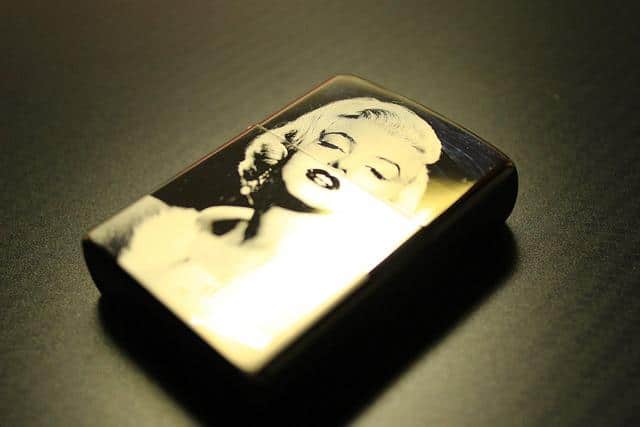
Some style icons don’t just dress the times-they define them. In the 1950s, Marilyn Monroe and James Dean turned clothes into cultural shorthand: a billowing white dress and platinum waves that whispered bombshell glamour; a scuffed leather jacket and white T-shirt that shouted rebel cool. They weren’t just movie stars. They were moods, captured in fabric and film, that still shape how we think about beauty, attitude, and authenticity.
Monroe’s curve-celebrating silhouettes, satin slips, and cherry-red lips made softness powerful and glamour approachable. Dean’s cuffed denim, lived-in tees, and slouched red jacket made casual feel cinematic and gave youth culture a uniform. Together, they bridged Old Hollywood polish and a new, everyday ease-setting the template for modern red carpets and street style alike.
In this article, we’ll trace their signature looks, unpack why they stuck, and show how to channel that Monroe magnetism and Dean nonchalance today-no studio contract required. Grab your cat-eye sunglasses and your favorite jeans; we’re going back to the golden age to see why it never really ended.
Table of Contents
- The Monroe bombshell silhouettes decoded and how to tailor them to your body today
- The Dean rebel uniform essentials and affordable ways to recreate the look
- Fabrics colors and textures that defined their era and where to source modern equivalents
- Sustainable shopping tips for a vintage inspired wardrobe plus care hacks to make pieces last
- In Conclusion
The Monroe bombshell silhouettes decoded and how to tailor them to your body today
Think of her signature shape as architecture with a wink: structure up top, sculpted waist at center, and controlled movement through the hips. The magic comes from strategic necklines, clever seaming, and fabrics that either hug or glide to create an illusion of lift and length. Mix matte with shine, curve with angle, and softness with a bit of bite. Key building blocks include:
- Sweetheart or halter necklines to frame the décolletage and open the shoulders.
- Nipped waists via contour seaming, wide belts, or a lightly boned bodice.
- Wiggle pencil skirts with a back vent for stride and that subtle sway.
- Bias-cut slips that skim rather than squeeze, creating liquid curves.
- Cropped cardigans and shawls to balance proportion and suggest, not shout.
To make it yours today, keep the essence and update the ease: choose stretch ponte, modern satins, or ribbed knits; swap rigid underpinnings for smooth, supportive layers; and tailor hemlines to the most flattering mid-calf “sweet spot.” Focus on fit first, then dial in polish with accessories. Try these body-smart tweaks:
- Hourglass/curvy: Wrap or sweetheart tops, high-waist pencil or trumpet midis, a firm-but-flexible belt; prioritize structure at the waist and glide at the hip.
- Petite: Cropped jackets and cardigans, monochrome columns, vertical seams, kitten heels; keep silhouettes close to the body to avoid overwhelm.
- Tall/athletic: Draped halters, cowl necklines, ruching at the waist, peplum belts; add softness and shape with fabric movement.
- Apple: Subtle corset-seamed or empire tops, A-line or tulip skirts, column slips with an open shirt; lengthen the torso with V necklines.
- Pear: Off-shoulder or halter to draw the eye upward, fit-and-flare midis, darker bottoms; highlight shoulders and define the waist.
- Minimal/comfort: Rib-knit sets, wide-leg trousers with a clean, pinched waist, block heels; keep the hourglass suggestion without rigidity.
The Dean rebel uniform essentials and affordable ways to recreate the look
Lean lines, unfussy layers, and a touch of danger-this is the enduring vibe that made James Dean the blueprint for cool. Think a crisp base, one statement jacket, and denim that looks like it’s lived a little. Keep the palette tight (indigo, white, black, a punch of red), let the fit do the talking, and finish with footwear that says you might hop a fence at any moment.
- The jacket: A red Harrington/windbreaker for that cinematic flash, or a cropped black leather for off-duty edge.
- The tee: Heavyweight white crewneck, slightly fitted through the chest, sleeves hitting mid-bicep.
- The denim: Straight-leg, mid-to-high rise, rigid or raw; cuffed once or twice to show the hem.
- The boots (or classics): Engineer/work boots for grit; canvas high-tops for an easy, period-correct swap.
- The belt: Plain leather with a simple buckle-no flashy hardware.
- The grooming: Textured quiff with a matte or low-shine pomade; keep it effortless, not lacquered.
- The shades: Browline or wayfarer-style frames for a subtle mid-century nod.
You don’t need a studio wardrobe to nail it-just smart picks and a sharp eye for fit. Prioritize fabric and silhouette over labels, thrift the statement piece, and let wear-and-tear happen naturally. Keep hems on the ankle bone, stack a clean cuff, and choose sturdy cottons that age well. A quick sleeve roll, a jacket pushed slightly off the shoulders, and you’re in business.
- Thrift first: Search “Harrington,” “windbreaker,” “straight-leg denim,” and “engineer boots” at secondhand shops and online marketplaces.
- Budget tees: Hanes Beefy-T, Uniqlo U, or Pro Club for weight and structure under $20.
- Affordable denim: Levi’s 501, Wrangler Cowboy Cut, or Uniqlo selvedge; go rigid and break them in yourself.
- Jacket stand-ins: Uniqlo or Ben Sherman-style Harringtons; H&M/Zara faux leather for a cropped, minimalist shape.
- Boot options: Secondhand engineer/work boots on eBay/Poshmark; or budget-friendly picks like Dr. Martens, ASOS, or Thursday.
- Sneaker swap: Converse Chuck Taylor or Pro-Keds to keep the silhouette period-friendly.
- Grooming kit: Suavecito, Layrite, or Reuzel; a simple comb and a quick blow-dry for lift.
- Fit hacks: Size up the jacket for a squarer vintage profile, keep jeans straight-not skinny-and cuff cleanly for balance.
Fabrics colors and textures that defined their era and where to source modern equivalents
Think of the decade’s wardrobe as a duet between glow and grit: Monroe’s luminous satin, silk charmeuse, lamé, and chiffon set against Dean’s lived-in selvedge denim, leather, wool gabardine, flannel, and cotton jersey. Her palette leaned candlelit-champagne, ballet pink, pearl, coral, lipstick red-and often played with polished textures like wool crepe and bouclé that sculpted but didn’t shout. His world was sun-faded and utilitarian-petrol blue, tobacco, asphalt gray, army green, rust-carried by the hand of slubby twill, brushed flannel, and pebbled leather. That tension-high sheen versus matte grit-still reads unmistakably 1950s and endlessly wearable today.
- Feminine glamour: silk/rayon sharkskin suiting, wool crepe sheaths, bias-cut satin slips, airy chiffon overlays.
- Rebel essentials: raw or rinsed denim, gabardine jackets, brushed flannel shirts, heavyweight tubular-knit tees, broken-in leather.
- Color codes: Monroe = soft lights with one pop (ivory + red); Dean = workwear neutrals with weathered blues and brick.
- Texture play: pair glossy with grainy-satin + denim, crepe + leather, chiffon + gabardine-for instant mid-century balance.
Modern equivalents are beautifully accessible-and kinder to the planet-if you know where to look. Swap heritage fibers for updated blends like TENCEL/cupro satins for Monroe shimmer, organic selvedge denim for Dean’s jeans, and responsibly tanned leather (or plant-based options) for jackets and belts. Seek deadstock for authentic mid-century hand-feel, and reproduction mills for period-correct weaves. A quick tailoring tweak-shortened hems, nipped waists, cuffed sleeves-finishes the 50s silhouette without feeling costume.
- Fabric stores (by the yard): Mood, Britex, B&J, Blackbird Fabrics, Core Fabrics, The Fabric Store (NZ/AU/US) for crepes, gabardines, satins, and denim.
- Deadstock & sustainable: Queen of Raw, FABSCRAP, Offset Warehouse (UK) for rayon blends, sharkskin-esque suitings, and unique period-like textures.
- Denim & workwear cloth: Merchant & Mills, Blackbird Fabrics for selvedge; look for mills like Kaihara or Candiani in product descriptions.
- Bouclé & luxe suitings: Linton Tweeds for nubby 50s-style textures; Huddersfield Cloth (UK) for gabardines and mohair/sharkskin blends via tailors.
- Vintage-inspired labels: Levi’s Vintage Clothing (50s cuts), Schott NYC (Perfecto leathers), Freddies of Pinewood (denim) for ready-to-wear vibes.
- Printed rayon & custom: Spoonflower for polka dots, ginghams, and resort prints that echo mid-century patterns in modern fibers.
Sustainable shopping tips for a vintage inspired wardrobe plus care hacks to make pieces last
Channel that screen-siren minimalism and rebel ease without feeding the fast-fashion loop by curating fewer, better pieces that echo iconic silhouettes. Think curve-skimming pencil skirts, bias-cut slips, cashmere cardigans, crisp white tees, straight-leg denim, and a softly broken-in moto. Shop thrift, consignment, estate sales, deadstock, and local rentals before buying new. Build a palette of cream, lipstick red, and inky navy for easy mixing, and choose items with longevity in mind-quality over novelty. When in doubt, buy with tailoring in mind and aim for cost-per-wear wins that work from coffee runs to candlelit nights.
- Read the label: Favor natural fibers (wool, silk, linen, cotton) and sturdy blends; avoid brittle acetate for everyday wear.
- Inspect construction: Look for weighty facings, bound seams, metal zippers, and let-out seam allowances for future alterations.
- Shop across departments: Men’s denim and knits often deliver the slouchy, Dean-esque drape at better prices.
- Ask questions: Request measurements, fabric close-ups, and any flaws; small issues are fine if repairable.
- Accessorize smart: A silk scarf, cat-eye frames, and a red lip transform basics into era-evocative looks-no overbuying required.
Once you’ve found your gems, treat them like studio wardrobe-gentle, consistent care keeps the magic alive. Opt for cold-water washing, air-drying, and low-heat pressing to protect fibers and shape. Store pieces so they can breathe, rotate wear to minimize stress, and fix small issues before they become big ones. The goal: keep that lived-in glam and rebel polish intact for years, not seasons.
- Spot clean first: Dab stains with diluted castile soap; for underarm marks on whites, use oxygen-based bleach-not chlorine.
- Denim discipline: Wash inside out, rarely, in cold with mild detergent; line-dry to preserve color and structure.
- Knit know-how: Hand-wash wool/cashmere with a lanolin-rich wash; dry flat on a towel and reshape while damp.
- Leather love: Condition jackets with a neutral balm seasonally; hang on wide, padded hangers away from heat and sun.
- Smart storage: Fold heavy knits, use breathable garment bags, insert acid-free tissue in skirts, and add cedar to deter moths.
- Little repairs, big returns: Reinforce buttons, darn tiny moth nibbles, wax sticky zippers, and re-sole classic pumps before wear-through.
li>Steam, don’t scorch: Use a pressing cloth on silk and rayon; steam linings to refresh shape without crushing.
In Conclusion
And that’s the magic of Monroe and Dean: they weren’t just wearing clothes, they were writing a style language that still speaks to us. Monroe taught us the power of ease, curves, and a signature beauty note that feels like confidence you can swipe on. Dean showed us how rebellion could be clean, simple, and ridiculously cool-proof that a great jacket and a plain tee can say everything.
If you’re itching to channel them now, try a nipped-waist dress with a soft cardigan and a red lip one day, then switch to cuffed denim, a worn-in leather or bomber jacket, and low-key sneakers the next. It’s less about costume, more about attitude: effortless, assured, a little bit undone.
I’d love to hear your take. Which icon’s vibe fits your wardrobe? Do you have a favorite Monroe moment or a Dean-inspired piece you swear by? Drop your thoughts in the comments, and share this with a friend who loves a timeless throwback. If you enjoyed this, stick around-next up, we’re breaking down the modern red lip and the enduring power of the white T-shirt.
