
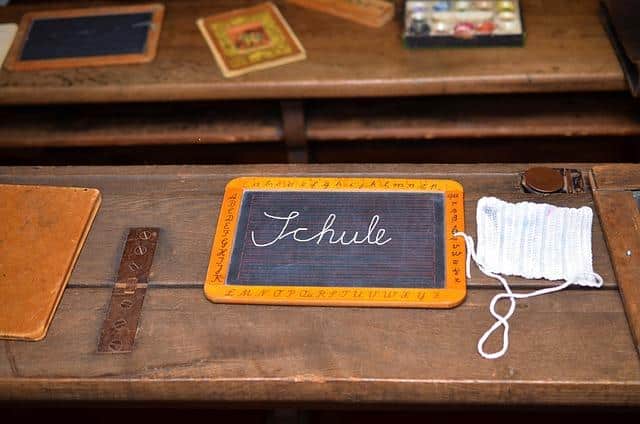
If you’ve ever paused in front of a sun-faded shop window or wandered into a flea market “just to look,” this guide is for you. Unique local vintage finds aren’t just things-they’re tiny time capsules with stories, textures, and quirks that make a space feel lived-in and loved. And the best part? They’re right in your neighborhood, waiting in church basements, mom-and-pop thrift shops, weekend garages, and those blink-and-you’ll-miss-it antique corners you pass on errands.
Consider this your friendly, no-pressure companion for the hunt. We’ll talk about where to look (beyond the obvious), when to go for the best picks, how to spot quality in the wild, and simple ways to clean and style your treasures so they shine. You’ll learn how to chat with sellers, what to bring, and how to trust your gut when something calls your name from a dusty shelf.
Whether you’re searching for a just-right mid-century lamp, a stack of retro glassware, or a one-of-a-kind jacket with perfect patina, you’re not only curating your style-you’re supporting local businesses and keeping beautiful pieces in circulation. Grab a tote, a tape measure, and a little curiosity. Your town’s best stories might be hiding under a price tag.
Table of Contents
- Where to Score the Good Stuff Locally: Flea Markets, Estate Sales, Charity Shops and Neighborhood Thrift Chains
- What to Look For at the Rack: Fabrics, Labels, Era Clues, Quick Condition Checks and Simple Alteration Ideas
- Smart Bargaining and Budgeting Tips: When to Bring Cash, How to Bundle and What Is Worth Paying Up For
- Clean, Restore and Style Your Finds: Easy At Home Care, Trusted Local Tailors and Outfit Ideas
- In Retrospect
Where to Score the Good Stuff Locally: Flea Markets, Estate Sales, Charity Shops and Neighborhood Thrift Chains
Start where the buzz is loud and the coffee is strong: flea markets and estate sales are prime hunting grounds for character-rich pieces and unexpected designer gems. Go early to catch fresh unloads, then loop back before closing for brave bargaining. Bring cash (small bills win smiles), a tote, and a quick-check kit-measuring tape, phone flashlight, and a magnifying glass for hallmarks or fabric weaves. Chat up vendors and estate workers; a friendly “What’s coming out next?” often unlocks a box under the table or tomorrow’s address.
- Flea markets: Scan for sturdy bones-solid wood, brass hardware, selvedge denim-and ignore dust. Bundle buys (“these three for one price?”) to score better deals.
- Estate sales: Sign the sheet early, preview photos, and return on the last day for markdowns. House “time capsules” often hide era sets-linens, glassware, or tools-best bought as a lot.
- Neighborhood intel: Follow local Facebook groups and estate companies’ email lists to get addresses first and learn which families were collectors of your niche.
For the steady drip of treasures, weave charity shops and thrift chains into your weekly routine-consistency beats luck. Each store has a rhythm: donation-heavy days, color-tag rotations, and managers with favorite eras. Be kind, be curious, and be specific: “I love mid-century barware and patchwork quilts-mind if I leave my number?” You’re building a small ecosystem of lookouts who’ll think of you when the good stuff lands.
- Work the calendar: Learn tag-color discounts and arrive on changeover mornings for fresh racks before they’re picked.
- Neighborhood hop: Visit shops across different areas-university zones for Y2K/vintage tees, suburbs for kitchenware, older districts for mid-century furniture.
- Ask the back room: Politely inquire about items not yet priced; many stores will roll them out if you show clear interest.
- Loyalty pays: Join text lists and donation programs-staff sometimes tip regulars to special carts or seasonal rollouts.
- Quality check: Inspect seams, zippers, hems, and hardware; run your fingers along edges for chips or repairs. A little patina is charm-structural damage is a pass.
- Timing trick: Midweek late mornings often catch post-weekend processing; rainy days can be quieter, giving you room to browse slowly and spot sleepers.
What to Look For at the Rack: Fabrics, Labels, Era Clues, Quick Condition Checks and Simple Alteration Ideas
Let your fingertips lead the hunt. Run your hand over the textiles and listen for clues: rayon crepe drapes like water, wool gabardine feels dense and smooth, silk charmeuse is cool and slippy, while cotton barkcloth is textured and weighty. Peek at tags for easy dating hints-union labels (ILGWU), RN numbers, and early care/fiber content labels can place a piece in a rough decade. Inspect the hardware too: metal zippers, covered snaps, and bound buttonholes usually signal older, sturdier construction. Inside, construction tells a story-pinked seams, hand-finished hems, and French seams whisper mid-century craftsmanship, while serged edges feel more modern. Patterns matter: novelty prints, border designs, and matched plaids are gold.
- Fabrics to feel: wool gabardine, rayon crepe, silk charmeuse, linen, cotton barkcloth, sturdy denim.
- Labels to read: ILGWU union marks, RN numbers, maker fonts/logos, “Made in USA/Hong Kong/Italy” lines, early care/fiber tags.
- Era clues: side metal zips, substantial shoulder pads, longer center-back zippers, self-fabric belts, prong-set rhinestones.
- Construction tells: pinked versus serged seams, hem tape, hand stitching, bound buttonholes, French seams.
Before you fall in love, do a two-minute health check. Hold fabric to light for thinning or pinholes, gently stretch a hidden area to test for dry rot, and check underarms, hems, cuffs, and seat for stress or stains. Slide the zipper, look for moth bites in wool, and peek at the lining for tears. Give it a sniff test-musty is fixable, vinegar-sharp often isn’t. Then imagine quick refreshes: a new set of buttons, a simple hem tweak, or a little waist nip can elevate a find without losing its soul.
- Quick condition checks: underarm discoloration, moth nibbles, zipper glide, lining rips, brittle elastic, scent, bead missing, seam strain.
- Simple alteration ideas: shorten or lengthen with original hem tape, replace elastic, add darts to nip the waist, move buttons for a better fit, swap shoulder pads, tighten straps with a discreet tuck, convert a maxi to midi, reinforce with visible mending, and refresh with a gentle steam press.
Smart Bargaining and Budgeting Tips: When to Bring Cash, How to Bundle and What Is Worth Paying Up For
Think like a friendly pro: cash keeps things smooth, bundles unlock better prices, and a smile goes further than a hard lowball. Bring small bills (singles, fives, tens) so you can make clean offers and avoid the awkward “do you have change?” dance. Decide your walk‑away number before you ask the price, and time your ask-early for best selection, late for best deals. When you spot a theme-say, two scarves and a belt-create a bundle and make a single, round offer. Try: “If I take these three, could you do $40?” Then pause. Silence is a bargaining tool too.
- When cash wins: outdoor markets, estate-driveway sales, rural fairs, cash-only booths, and spots with weak signal (card readers fail). Keep a daily cap in a separate envelope to protect your budget.
- Bundle smart: group similar items, mix a splurge with lower-ticket finds, and ask for a “best price if I take the lot.” Round numbers (e.g., $45 instead of $48) feel friendly and tidy.
- Sweeteners that help: carry your own bag, offer to take slightly imperfect pieces, and be ready with exact cash in hand when you make the offer.
Not everything should be cheap. Pay a little extra for condition, safety, and longevity-it saves you in repairs later. Vintage leather boots with solid soles, real silver or gold hardware, sturdy hardwood chairs with tight joinery, and lamps that have been professionally rewired are worth the premium. Save your haggling energy for trend pieces, items with fixable cosmetic flaws, or multiples from the same stall (bundle leverage!). Do quick math: price + cleaning/repair + transport = your true cost-if that beats retail replacements and fits your style, you’re golden.
- Worth paying up for: timeless cuts you’ll re-wear, artisan craftsmanship, natural fibers (silk, wool, linen), genuine leather, solid wood, and anything with verified provenance or a rare label.
- Haggle or pass on: synthetic fabrics with pilling, wobbly furniture with cracked frames, flaky plating, or pieces needing specialized restoration that exceeds 50-70% of replacement cost.
- Budget guardrails: set a top line for each category (e.g., coats, boots, jewelry), track spend in your phone notes, and celebrate the one great piece over a bag of “meh” maybes.
Clean, Restore and Style Your Finds: Easy At Home Care, Trusted Local Tailors and Outfit Ideas
Give your treasures a gentle refresh before the first wear. Check seams, tags, and colorfastness on an inside hem; then stick to cool water, mild detergent, and a soft sponge for spot work. For wool and silk, choose enzyme‑free formulas and a light hand; for denim or printed cotton, turn pieces inside out. Odors lift with fresh air and steam; stubborn mustiness eases with a baking-soda overnight rest or a mist of vodka (plain, unscented). Knits love a cool soak and a towel press; reshape and lay flat to dry. Leather perks up with a patch‑tested conditioner, and tarnished hardware brightens with a microfiber cloth.
- Spot treat smart: Test for color bleed, dab-don’t rub-then rinse promptly.
- Deodorize gently: Air, steam, or seal in the freezer 48 hours for wool to thwart moths.
- Preserve fibers: Use a mesh bag, avoid heat, and add a splash of white vinegar in the final rinse to soften and help set dyes.
- Polish the details: Graphite on sticky zippers; resecure buttons with matching thread; de‑pill with a sweater comb.
- Finish like a pro: Press with a cloth, not direct heat; steam to relax seams and restore drape.
When fit needs finesse, partner with a neighborhood specialist who understands vintage construction. Bring the shoes and underlayers you’ll wear, plus reference photos. Ask for reversible changes (keep seam allowances, save offcuts, and favor hand finishes) to protect value. Then style the piece into your modern wardrobe with high‑low mixing, textural contrast, and one standout accessory-let the vintage do the talking.
- At the fitting: Request invisible hems, minimal cutting, and reinforcement of stress points (shoulders, waist, seat).
- Future‑proofing: Keep original buttons, move them before taking in seams, and note alteration lines on the care tag for later reference.
- Try these looks: 70s tweed blazer + crisp white tee + high‑rise jeans + loafers.
- Try these looks: 90s silk slip + chunky cardigan + ankle boots; add a skinny belt for shape.
- Try these looks: Vintage band tee + satin midi skirt + clean sneakers for a high‑low mix.
- Try these looks: 50s beaded cardigan over a modern tank + tailored trousers + kitten heels.
- Try these looks: Bold print dress + neutral trench + structured bag to balance color and pattern.
In Retrospect
If you’ve made it this far, you’re already well on your way to becoming that friend who always turns up in the coolest, most conversation-starting pieces. Remember: the magic of vintage isn’t just in the finds, it’s in the hunt-the neighborhood strolls, the chats with owners who know every story, the surprise treasures tucked behind a stack of records.
Start small and local. Pop into the spot you always pass, check a weekend flea, browse an estate sale, ask your barista where they thrift. Bring measurements, look at seams and tags, try things on, and don’t be shy about negotiating kindly. And when something needs a little love? A repair or a wash can transform a maybe into a forever piece.
Most of all, have fun with it. You’re not just shopping-you’re curating a collection that reflects who you are while supporting small businesses and keeping beautiful things in circulation.
I’d love to hear your favorite local vintage spots and your best-ever scores-share in the comments, or tag your finds so we can cheer you on. If you want more neighborhood vintage trails and seasonal hunting checklists, subscribe so you don’t miss the next guide.
Happy hunting, and may your next stroll lead to a story you can wear.
