
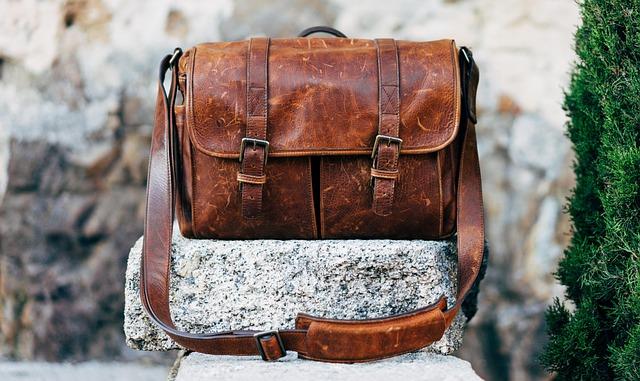
If you’ve got a stack of well-loved jeans you can’t bear to toss, good news: that sturdy denim is just getting started. With a few simple cuts and stitches, yesterday’s skinnies can become today’s tote, crossbody, makeup pouch, scrunchie, key fob-even a laptop sleeve. Upcycling denim is the perfect mix of style, sustainability, and savings, and the best part? It’s forgiving. Frays add texture, pockets are ready-made compartments, belt loops become strap anchors, and chunky seams give instant structure.
In this guide, we’ll turn worn knees and back pockets into eye-catching bags and accessories you’ll actually use (and get compliments on). Expect quick, no-sew fixes, coffee-break projects for beginners, and a couple of weekend builds that look boutique-made. We’ll cover choosing the right pair, clever cutting to maximize fabric, simple linings and closures, and easy strap options-no fancy tools required.
Grab scissors, a needle and thread (or your machine), pins or clips, a seam ripper, and an iron. Raid your button jar, queue a good playlist, and get ready to give your denim a second life. By the end, you’ll have fresh accessories, a lighter closet, and that handmade glow money can’t buy.
Ready to cut, stitch, and style-sustainably? Let’s dive in.
Table of Contents
- Pick the right denim and tools for each project from needle types to interfacing and thread
- Smart cutting and salvage tips to use pockets waistbands and hems with minimal waste
- Step by step sturdy tote bag with boxed corners lining and a zipper pocket
- Quick scrap accessories zipper pouch key fob scrunchies and cord wraps with hardware recommendations
- The Conclusion
Pick the right denim and tools for each project from needle types to interfacing and thread
Before you cut into those old jeans, match the fabric’s weight and character to your plan. Denim is measured in ounces-heavier cloth builds structure, lighter cloth drapes and layers. Rigid twill is perfect for crisp edges and clean topstitching, while a slight stretch works better for soft pouches and curved seams. Harvest the good stuff: thigh panels for large pattern pieces, back pockets for built-in organizers, waistbands for straps, and belt loops for key tabs. Mind the grainline (keep it parallel to the leg seam for strength) and place pieces to showcase whiskers or fades as intentional design. Add stability where stress happens-zippers, strap anchors, and openings-using fusible woven interfacing, foam, or leather/vinyl reinforcements so your bag keeps its shape.
- Lightweight (8-10 oz): pouches, wallets, sunglass sleeves, patchwork panels. Pair with a 90/14 jeans needle, woven fusible (e.g., SF101) on stress points, and polyester all-purpose thread for seams.
- Midweight (10-12 oz): crossbody bags, bucket hats, flat totes. Use a 100/16 jeans needle, foam or medium woven fusible for body, and a topstitch thread for visible lines.
- Heavy (12-15+ oz): structured totes, backpacks, belts. Go with a 100/16-110/18 jeans or topstitch needle, foam or Decovil Light/Heavy for structure, and consider upholstery/topstitch thread.
Dial in your toolkit to sew cleanly through layers without skipped stitches. For needles, choose Jeans/Denim 90/14-110/18 for most seams, Topstitch 100/16 for bold decorative lines, and Microtex 80/12 for precision on lighter panels or linings. Keep stitches longer-about 2.8-3.2 mm for seams, 3.5-4 mm for topstitching-and balance tension when mixing heavy top thread with a regular bobbin. A walking foot/dual feed, hump jumper, and clapper make thick seams behave; a gentle tap with a mallet flattens bulky intersections. When mixing materials, add a Teflon/nonstick foot for vinyl and a leather needle for leather accents (skip pins-use clips). Refresh blades and needles often; denim dulls fast.
- Thread: polyester all-purpose for construction; dedicated jeans/topstitch thread for contrast lines (use all-purpose in the bobbin). Match needle size to thread weight.
- Interfacing: Woven fusible for stability without stiffness; foam for body in totes; Decovil for structured flaps/bases; canvas underlining if you prefer sew-in strength.
- Notions & tools: clips (not pins), tailor’s chalk, edge glue stick for zips, denim hammer/mallet, rotary cutter with fresh blade, fray check for raw edges, and rivet/press hardware for pro finishes.
Smart cutting and salvage tips to use pockets waistbands and hems with minimal waste
Before you snip a single thread, lay the jeans flat and sketch a cutting map with tailor’s chalk. Aim to keep large, uninterrupted panels on the thighs for bag bodies, then work outward into features that do double-duty. Leave pockets attached to their denim “frames” so they become instant zip or snap-on compartments; slice 1-1.5 cm outside the pocket topstitching to keep structure intact. Harvest the waistband as a ready-made, reinforced strap-retain the front button and buttonhole for a built-in closure-and pop off belt loops with a seam ripper to use as tab anchors for clips or D-rings. Hems are gold: that dense, rope-like fold makes durable piping, edging, or drawstring channels, especially for bucket bags and mini pouches.
- Pockets: Keep bar tacks and rivets; they’re stress points you want. Back pockets become phone sleeves; the tiny coin pocket makes a charm pouch or cable keeper.
- Waistband: Use whole for crossbody straps, or split lengthwise to create two slimmer handles. Belt loops = key leash tabs, label holders, or decorative laddering.
- Hems: Unpick to reveal long, sturdy strips for bindings, strap reinforcements, or decorative contrast on seams. The original chain-stitch edge gives a rugged finish.
- Seams & yokes: Cut just outside thick flat-felled seams to turn them into gusset strips; the back yoke wedges make perfect corner patches and base reinforcements.
- Hardware: Keep zippers attached to a denim strip for instant inner pockets; reuse the metal button on flaps for a cohesive look.
For minimal waste, nest small pattern pieces into knee fades and along the grain of leftover panels, mirror pairs side-by-side to share seam allowances, and join short offcuts into patchwork webbing for handles. When thickness stacks up, grade layers (trim each layer progressively narrower) and tap bulky intersections with a mallet for a flatter sew. Use pocket linings as lightweight facings, fly shields as interior slip pockets, and tiny trimmings as zipper pull tabs. In short: let the jeans’ original engineering-topstitching, rivets, and reinforced edges-dictate your cuts so every feature finds a second life.
Step by step sturdy tote bag with boxed corners lining and a zipper pocket
Turn a worn-in pair of jeans into a structured carryall that holds its shape and your essentials. Choose the sturdiest parts of the denim-think thigh panels and back pockets-and pair them with a cotton or canvas lining for a clean interior. For extra strength, fuse medium to heavy interfacing to the denim panels and the zipper pocket area. Upcycle cleverly: the waistband makes tough handles, back pockets become slip pockets, and the hem can be repurposed as a decorative trim. Keep a topstitch needle on hand; denim loves bold stitches and they double as reinforcement.
- Cut & prep: From jeans, cut two exterior panels (about tote size), two lining panels, two strap strips (or the waistband), a base stabilizer (optional), and two pocket pieces. Fuse interfacing to the exterior and one pocket piece.
- Zipper pocket magic: On one lining panel, draw a pocket window. Place the interfaced pocket piece right sides together, stitch the rectangle, slit the center, turn through, press crisp. Center the zipper behind the opening and edgestitch; lay the second pocket piece behind and stitch around to close the pocket.
- Straps & exterior: If using denim straps, fold and topstitch for strength, or wrap cotton webbing with denim. Position on the exterior panel, measure evenly, and secure with a box-and-X stitch. Add any salvaged back pockets as exterior slip pockets now.
- Sew bodies: With right sides together, stitch exterior sides and bottom; repeat for lining but leave a turning gap along the bottom.
- Box the corners: Mark equal squares from each bottom corner (1.5-2 in), pinch side and bottom seams to align, then stitch across for crisp, boxed corners. Repeat for lining and exterior.
- Join & finish: Keep exterior right side out; place it inside the lining (right sides together), matching side seams and straps. Stitch around the top edge, turn through the lining gap, press, and topstitch the rim for a polished finish. Close the gap and add a removable base insert for structure.
For a sleek interior, press lining seams open and trim bulk before turning. Rivets at strap bases add a professional touch and serious durability, while contrast topstitching highlights the denim’s texture. If your jeans are stretchy, stabilize with woven interfacing to prevent slouching. Prefer a magnetic closure? Add it to the lining before assembly. Bonus detail: a leather or faux-leather tab at the zipper tail looks chic and keeps the pull easy to grab. With sturdy seams, a neat lining, and a smooth zipper pocket, you’ll have a tote that’s equal parts rugged and refined-built to carry books, market finds, and everyday wins.
Quick scrap accessories zipper pouch key fob scrunchies and cord wraps with hardware recommendations
Turn pocket scraps and hem cutoffs into tiny organizers in minutes. For zip pouches, sandwich a denim rectangle with lining, add zipper tabs to tame bulky ends, and tuck a folded belt-loop scrap into the side seam as a grab tab. Keep the exterior simple-original topstitching and pocket curves make instant style. If your denim is thick, press seams open and topstitch to flatten; a pop of bright lining makes it gift-ready.
- Zippers: #3 nylon coil (6-9 in) for small pouches; #5 nylon coil (8-10 in) if layers are hefty. Swap pulls for longer zipper pulls if desired.
- Rings & clips: 1/2-3/4 in D-rings and matching swivel clasps for wristlets; 1 in rectangle rings for flat straps.
- Stabilizers: Lightweight fusible (e.g., SF101) or scrap canvas for structure without bulk.
- Finishing: 8-10 mm double-cap rivets for tabs; heavy topstitch thread with a 100/16 denim needle for that classic jeans look.
With the skinny offcuts, make grab-and-go helpers: a sturdy key holder, soft hair ties, and cable tamers. Layer denim over cotton webbing for a comfy key grip, keep scrunchies soft by pairing lightweight denim with knit elastic, and punch tiny cord wraps from waistband pieces for durable, pocket-friendly organizers.
- Key fobs: 1 in key fob clamp + split ring set; optional 1 in cotton webbing inside the denim; add a small rivet for security.
- Scrunchies: 3-4 in x 18-22 in strips; 1/4-3/8 in knit elastic. Choose the thinnest denim scraps for comfortable gathers and avoid metal near hair.
- Cord wraps: 1.5-2 in x 5-7 in strips; closures: size 20 (12.5 mm) plastic snaps or size 16/20 metal snaps. Alternatives: 1/2 in hook-and-loop, 10 mm magnetic snaps, or 3/16 in Chicago screws. Add a 1/4 in grommet to hang on a charger or bag clip.
The Conclusion
And that’s a wrap on turning tired denim into pieces you’ll actually reach for. With a few cuts, some stitching, and a little imagination, old jeans go from the back of the closet to front-row accessories-totes, clutches, scrunchies, headbands, key fobs, and more. It’s budget-friendly, planet-friendly, and totally personalized to your style.
If you try one of these projects, I’d love to see what you make. Share your creations, tell me which patterns worked best for you, and drop any questions or tips in the comments. Got leftover seams, pockets, or belt loops? Save them-those bits make great handles, trim, and patch details for your next round.
Ready for more upcycles? Bookmark this post for later, pin your favorite ideas, and subscribe so you don’t miss future DIYs. Your next favorite bag might be hiding in the denim pile-go rescue it!
