
Picture this: a sun-soaked field, a haze of incense, guitars humming, and a sea of tie-dye swirling under flower crowns. The late ’60s didn’t just sound different-it looked different. As the hippie movement challenged politics, war, and consumer culture, it also rewrote the fashion rulebook, giving rise to what we now call the boho look. It wasn’t about trends handed down from runways; it was about freedom, resourcefulness, and self-expression stitched into every fringe, bead, and patch.
From ragtag thrift finds to hand-dyed tees, from airy peasant blouses and kaftans to suede vests, bell bottoms, and embroidered denim, hippies mixed global influences with DIY spirit-and made it feel effortless. Their wardrobes were statements: anti-structure silhouettes, natural fibers, and pieces collected on the road or at markets, worn with a sense of purpose. Icons like Janis Joplin and Jimi Hendrix didn’t just wear clothes; they wore ideals.
In this article, we’ll trace how the counterculture’s values shaped the boho aesthetic, spotlight the key pieces and influences that defined the era, and explore why that free-spirited style still echoes at festivals and in everyday wardrobes today. Ready to step into the sway of the ’60s? Let’s go.
Table of Contents
- From communal ideals to closet staples The values that shaped boho style
- Fabric and fit guide Natural fibers flowing silhouettes and what to look for
- Color and pattern play Psychedelic prints earthy palettes and how to mix them
- Get the look today Thrift strategies DIY embellishments and ethical brands to try
- Wrapping Up
From communal ideals to closet staples The values that shaped boho style
The look grew out of a living experiment where closets were communal and creativity was a shared resource. In cooperatives and crash pads, people traded garments the way they traded ideas-favoring community over labels, freedom over fit rules, and sustainability over status. Natural fibers, sun-faded dyes, and hand-mended seams weren’t just “aesthetic”; they were proof that style could be low-impact, collaborative, and deeply personal. That’s why flowy silhouettes, layered textures, and well-worn denim felt right-they honored movement, music, protest, and the radical notion that what you wear can reflect how you live.
As the look filtered into mainstream closets, certain pieces became staples-peasant blouses, flared jeans, suede vests, jangly jewelry-yet the deeper message lingered: clothes should feel liberating, tell a story, and leave a lighter footprint. Today, the most compelling take keeps those roots intact: choose garments that move with you, invest in craft, and style with care for the cultures and hands behind each piece. When you wear it this way, boho isn’t a costume-it’s a set of values you can put on every day.
Fabric and fit guide Natural fibers flowing silhouettes and what to look for
Think breathable, touchable, and a little imperfect-the kind of textiles that look better the more you live in them. The late-’60s wardrobe leaned into plant and protein fibers that took dye beautifully and moved with the music: tie-dyed cottons, sun-faded linens, nubby hemp, and slinky silks. Texture did a lot of the storytelling-handwoven slubs, crochet openwork, and embroidered trims turned simple shapes into keepsakes. When you’re shopping, let your hands lead: you’re looking for soft drape, natural sheen (not plastic gloss), and the easy crinkle that says it’ll breathe in summer and layer in fall.
- Cotton gauze/voile: airy, semi-sheer, perfect for peasant blouses and tiered skirts.
- Linen & hemp: cool, matte, and sturdy with that organic wrinkle; great for wide-leg pants and tunics.
- Silk (crepe, habotai): fluid and luminous for scarves, bias slips, and kimonos.
- Wool challis: lightweight warmth for transitional shawls and printed skirts.
- Crochet & lace: open textures that layer over slips or denim for that effortless romance.
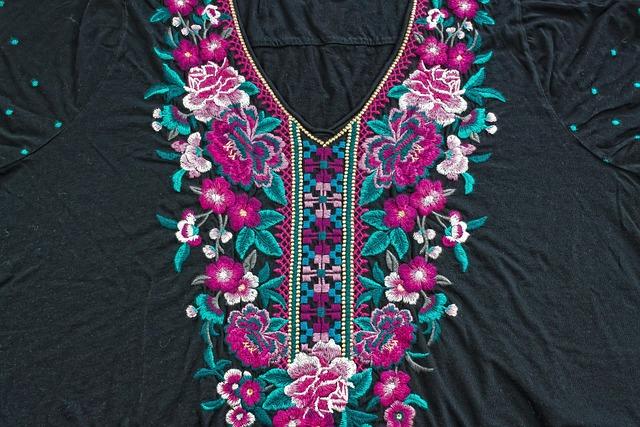
- Artisanal finishes: batik, block prints, and hand-embroidery that bring soul to basics.
The silhouettes were all about ease and motion-fabric that sways, sleeves that billow, waists that adjust as you wander. Think A-line and trapeze shapes, empire seams, wrap and drawstring closures, and smocking that fits without feeling fitted. Aim for garments that skim rather than cling, and test the movement: take a step, raise an arm, twirl a little-if it flows, it goes. Balance volume with weight: lighter cloth for maxi lengths, slightly heavier weaves for cropped jackets and vests so the proportions feel intentional, not bulky.
- Look for drape: hold a corner-if it falls in a soft cascade, it’ll read boho. If it sticks out, it’s too stiff.
- Check opacity: semi-sheer is fine; plan a slip or tonal underlayer for easy, era-true layering.
- Seek adjustability: ties, elastic backs, wrap fronts, and smocking for size-flex comfort.
- Mind the finish: French seams or neat overlocking mean better longevity for light fabrics.
- Print placement matters: tiered skirts and peasant tops should have patterns that flow across seams.
- Proportion play: pair billowy tops with column skirts or lean denim; wear maxi lengths with low heels or flats to keep the line relaxed.
Color and pattern play Psychedelic prints earthy palettes and how to mix them
Vibrant psychedelia and rooted earth tones didn’t clash in late-’60s bohemia-they slow-danced. Think sun-baked ochres, rust, and moss laying the groundwork for kaleidoscopic paisleys, tie-dye swirls, and poster-art geometrics. The magic was in contrast: a desert palette that calmed the visual rush, letting mind-bending prints feel wearable from campfire to concert. Texture did the heavy lifting, too-soft gauze, suede, raw cotton-so even the wildest pattern felt grounded and lived-in, not costume-y.
- Classic prints: paisley teardrops, mandala blooms, op-art waves, sunburst tie-dye
- Earthy base: clay, terracotta, tobacco, sage, bone, and espresso
- Texture play: crinkled cotton, crochet, suede, hemp, fringe, and macramé
- Metal accents: antique brass and tarnished silver to echo the countryside warmth
To mix them like a true vintage free spirit, start with an earth-tone anchor-a moss maxi or clay peasant blouse-then let one hero print take center stage. Layer supporting motifs in smaller scales, keep shapes relaxed, and repeat a hue to stitch the look together. Balance trippy saturation with sandy neutrals, and let accessories whisper rather than shout so the color story sings not shouts.
- Anchor: ground loud prints with solid earthy garments
- Scale smart: pair one bold motif with finer, tighter patterns
- Bridge hues: echo one color from the print in your solids or accessories
- Mix textures: smooth silk next to nubby crochet keeps the eye moving
- Let it breathe: add bone, sand, or olive to calm neon moments
- Finish lightly: worn leather sandals, beaded strands, and a tarnished cuff
Get the look today Thrift strategies DIY embellishments and ethical brands to try
Channel the free-spirited swagger with smart secondhand treasure-hunting and a knack for creative tweaks. Start with textures the era adored-gauze, crochet, suede, and velvet-and prints like paisley, block-prints, and tie-dye. Shop with intention: feel for natural fibers (cotton, linen, silk, wool), look for movement in sleeves and hems, and don’t shy away from pieces a size up for that effortless drape. Let a rugged belt, a coin-trim scarf, or a tooled leather bag do the storytelling. Try these thrifting moves to make the racks work for you:
- Scan all sections: Men’s vests, oversized denim, and belts give instant boho balance to floaty dresses.
- Hunt the “housewares” aisle: Vintage curtains or sari-style textiles can become kimono jackets or headwraps.
- Prioritize fabric + construction: Seek French seams, sturdy hems, and pieces you can mend; skip brittle synthetics.
- Look for deadstock: Unworn retro items (old tags attached) deliver era-perfect vibes with modern longevity.
- Think transformable: A maxi skirt can be a strapless dress; a button-down becomes a beach cover-up.
Make it yours with tactile, time-worn details that echo festival fields and roadside craft stalls. Layer-on personality with handwork and upcycling: soft dyes, bold stitching, and charms that jingle as you move. Then round it out with brands that center ethical production, regenerative materials, and artisan techniques-a modern nod to counterculture ideals. DIY inspirations and conscious labels to explore:
- Natural dyeing: Avocado pits for blush pink, turmeric for golden haze, indigo for deep sky blues.
- Block-printing: Carve an eraser or potato stamp; layer imperfect repeats for soulful pattern.
- Sashiko + visible mending: Contrast stitches on knees/elbows; patch with bandana or sari scraps.
- Macramé fringe: Add to sleeves, bags, or shawls; finish with wooden beads or shells.
- Swap hardware: Replace buttons with mismatched vintage, conchos, or carved wood.
- Christy Dawn (regenerative cotton, deadstock florals)
- People Tree (fair-trade-led production, artisan prints)
- tonlé (zero-waste design, reclaimed textiles)
- Mara Hoffman (responsible materials, timeless silhouettes)
- Kowtow (GOTS-certified cotton, clean lines to layer)
- Nisolo (ethically made footwear to ground the flow)
- Indigo Handloom (handwoven fabrics with airy drape)
- Mayamiko (artisan-crafted pieces with joyful prints)
Wrapping Up
And that’s the magic of the late ’60s boho story: it wasn’t just a look-it was a language. Hippies stitched their values into every fringe, bead, and patchwork panel, turning clothes into a manifesto for freedom, community, and care for the planet. That’s why boho still feels so alive today; it carries a heartbeat.
If you’re building your own version now, think beyond trends. Reach for pieces with a past, fabrics that breathe, and details made by human hands. Mix vintage with artisan finds, mend what you love, and let your style tell a story only you can wear.
I’d love to know: what’s the one boho piece you can’t live without-a swishy maxi, a battered belt, a crochet top from a flea market? Share in the comments, and pass this along to a friend who worships at the altar of suede and sun-faded denim. Peace, love, and great thrift-store luck.
