
Got a stack of oversized shirts lurking in your closet or a thrift-store haul you couldn’t resist? Perfect. Today we’re turning those roomy tops into chic, wearable dresses you’ll want to live in. Think easy weekend project meets effortless style-without spending a fortune or contributing to fashion waste.
In this guide, I’ll walk you through simple, beginner-friendly ways to transform shirts of all kinds-button-ups, tees, and men’s oxfords-into dresses that actually fit and flatter. We’ll cover no-sew hacks (hello, belts, ties, and strategic knots) as well as quick-sew upgrades like adding elastic, creating a wrap silhouette, or cinching a waist with shirring. You’ll also get tips on picking the right shirts, finding your length, and finishing touches that make the final look feel polished, not DIY.
Grab a shirt, a few basic tools, and your creativity. By the end, you’ll have a custom dress that looks boutique-level-and a new reason to love what’s already in your closet. Ready to upcycle? Let’s get started.
Table of Contents
- Choose the right shirt Pick crisp cotton poplin or oxford that’s roomy in the body and long enough to skim mid thigh
- Tools and prep Fabric scissors chalk measuring tape safety pins elastic and a seam ripper for stress free adjustments
- No pattern shaping Make a waist casing with elastic add bust darts and gently taper the side seams for a flattering line
- Finishing and styling French seams neat hems and pressed plackets then belt or layer to balance proportions
- In Conclusion
Choose the right shirt Pick crisp cotton poplin or oxford that’s roomy in the body and long enough to skim mid thigh
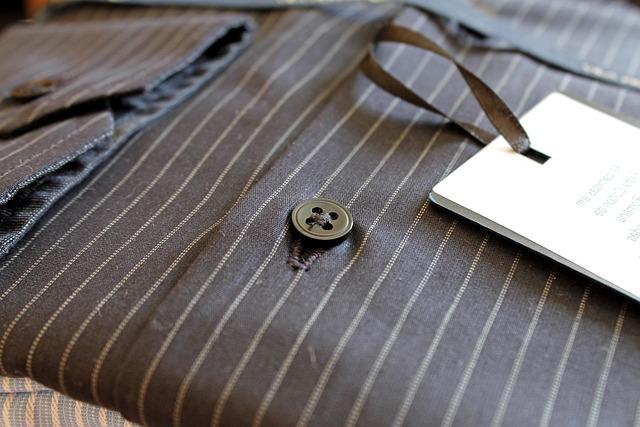
Think of the shirt as your raw canvas: you want structure without stiffness and movement without cling. Choose crisp cotton poplin for a smooth, polished look or oxford cloth for a slightly weightier, laid-back feel-both hold shape beautifully when belted, ruched, or buttoned in creative ways. Aim for a roomy, boxy body with a dropped shoulder so it drapes rather than hugs, and make sure the hem is long enough to skim mid-thigh for coverage that reads dress, not tunic. Light colors and stripes look fresh, but prioritize non-sheer weaves or layer a slip to keep the focus on your styling.
- Fabric feel: Smooth poplin = crisp and dressy; oxford = textured and forgiving.
- Quality cues: Dense weave, even stitching, sturdy buttons, and a neat placket.
- Opacity check: Hold to the light-if you see your hand clearly, plan to line or layer.
- Color/pattern: Classic white, pale blue, or menswear stripes are chic and versatile.
Fit details make all the difference. Look for a curved or shirttail hem (great leg line), back pleats or box pleat (extra swing), and a substantial collar and cuffs that keep their shape when styled. Sizing up one to three sizes-often in the men’s section-gives that effortless, borrowed feel; just avoid heavy darts or shaping seams that fight the flow. Pre-wash in cold to reveal any shrink and soften the hand before you start styling or altering.
- Length: Shoulder to hem around 30-34 in (76-86 cm) suits most heights for dress wear.
- Silhouette: Straight or A-line bodies drape best; minimal waist tailoring is ideal.
- Details to love: Patch pockets, high side slits, and longer back hems for balanced coverage.
- Quick win: If between sizes, pick the longer one-you can belt volume, but you can’t add length.
Tools and prep Fabric scissors chalk measuring tape safety pins elastic and a seam ripper for stress free adjustments
Before you make the first snip, set yourself up for success. Give the shirt a quick wash and press so the fabric lies flat, then take your key measurements-bust, natural waist, hips, and desired dress length. Use chalk to sketch gentle guidelines, and remember the golden rule: measure twice, cut once. Keep safety pins handy for live fittings and mark placements without commitment. A tidy workspace and sharp fabric scissors will make every cut cleaner and every step calmer.
- Fabric scissors: Clean, crisp cuts that prevent fraying and jagged edges.
- Chalk: Visible, temporary lines that brush off when you’re done.
- Measuring tape: Flexible accuracy for curves and hemlines.
- Safety pins: Quick fittings, temporary pleats, and placement markers.
- Elastic: Comfy cinched waists, cuffs, or off-the-shoulder necklines.
- Seam ripper: Stress-free do-overs-remove pockets, labels, or stitches cleanly.
For a polished finish, use the seam ripper to detach bulky pockets or collars you won’t keep, then chalk in a soft waist curve where your elastic casing will go. Test the elastic length by pinning it around your waist and adjusting until it’s snug but breathable. As you fit, anchor changes with safety pins and check symmetry with the measuring tape. If something feels off, baste first and tweak-those easy, reversible steps are your secret to smooth, stress-free adjustments and a custom silhouette that looks intentionally tailored.
No pattern shaping Make a waist casing with elastic add bust darts and gently taper the side seams for a flattering line
Skip the paper templates and let the shirt’s lines guide you. Button it, put it on inside out, and mark your natural waist with chalk or a washable pen. Create shape by adding a clean, comfy waist casing that gently draws the fabric in-think easy, pull-on dress energy. You can stitch a casing directly on the inside along your waist mark or attach a separate fabric strip to form a neat channel for elastic that flatters without feeling restrictive.
- Measure smart: Take your waist measurement, add 1-2 in (2.5-5 cm) ease, and cut elastic to that length.
- Make the channel: Use self-fabric, bias tape, or twill tape. Cut a 1.5-2 in (4-5 cm) wide strip, join into a loop, and topstitch along the waist mark to create a smooth casing-leave a 1 in (2.5 cm) opening.
- Thread and secure: Feed the elastic through with a safety pin, overlap the ends, zigzag to secure, then close the opening. Distribute gathers evenly; anchor with a tiny stitch at side seams to prevent twisting.
- Keep it clean: Press the channel flat and match thread to the shirt so your stitches disappear.
Now refine the fit up top and streamline the silhouette below. With the shirt still inside out, pinch and pin subtle bust darts for lift and shape, then softly taper the side seams so the dress glides over your curves instead of clinging. Aim for quiet, precise adjustments that look intentional, never overworked.
- Place darts like a pro: Mark the bust apex, then aim dart points to end 1-1.5 in (2.5-4 cm) shy of it. Keep darts 3-4 in (7.5-10 cm) long for most shirts-press toward the hem.
- Blend the side seams: Chalk a gentle in-and-out line: trim 0.5-1 in (1-2.5 cm) at the waist on each side, blending to the original seam at the underarm and hip. Mirror both sides, baste, try on, adjust.
- Preserve movement: Sit, walk, and reach-if it tugs, reduce the taper or lengthen the darts slightly. Comfort first, polish second.
- Finish neatly: Sew the new seams, then serge/zigzag raw edges. Press everything crisp, confirm the button placket hangs straight, and make sure the casing sits level all around.
Finishing and styling French seams neat hems and pressed plackets then belt or layer to balance proportions
Polish your construction so the “dress” reads designer, not DIY. Close raw edges with French seams for a soft, durable finish: first stitch wrong sides together, trim, press, flip right sides together, and stitch again to encase the edge. For the hem, choose a narrow double-fold or delicate rolled finish; press every turn before stitching so the line stays crisp and even. Keep those shirt plackets sharp-press with steam, then topstitch in a straight, confident line to frame the front like a built-in trim. Little things matter: matching thread, tidy back-tacks, and a final all-over press transform an oversized shirt into a dress you’ll actually want to show off.
- Seam allowances: 1/4 in first pass, 3/8 in second pass for French seams on light/medium cottons.
- Pressing order: stitch → trim → press flat → press open → fold/flip → stitch → press again.
- Hem finesse: fold 1/4 in twice; miter corners on side vents for a clean, flat edge.
- Placket perfection: use an edge-stitch foot; guide topstitching 1/8 in from the fold for symmetry.
- Support: a whisper of lightweight fusible in soft collars/cuffs prevents collapse without stiffness.
Once the finish is flawless, balance the silhouette with styling tricks. Cinch with a belt to define shape-try natural waist for hourglass, high empire to lengthen legs, or low-slung for a relaxed, tunic vibe. Layer strategically to control volume: a longline vest or open blazer sharpens shoulders, while a slim turtleneck under the dress adds warmth and a tailored column. Keep proportions intentional-if the skirt is roomy, pair with sleek boots; if the top is voluminous, ground it with a structured belt or fitted layer. A final steam, rolled sleeves, and a hint of jewelry complete the effortless, “I woke up like this” finish.
- Belt ideas: skinny leather for subtle shaping, wide obi for drama, or a scarf knot for softness.
- Layering: turtleneck under, blazer/denim jacket over, or a long cardigan to elongate the line.
- Footwear: knee boots for balance, sneakers for off-duty, strappy sandals for a polished lift.
- Quick tweaks: cuff sleeves to the narrowest part of the forearm; add a slip if fabric is sheer.
- Color play: match belt to shoes for a clean vertical line, or contrast to define the waist.
In Conclusion
And that’s a wrap! With a few snips, stitches, and styling tricks, that oversized shirt just graduated from “lazy-day top” to “chic, made-by-you dress.” The best part? You saved money, gave a second life to something you already own (or thrifted), and created a piece that’s uniquely yours.
If you try this DIY, I’d love to see your spin-patterns, belts, hems, and all. Share a photo and tag me, or drop your questions and wins in the comments. Want more easy upcycles and wardrobe hacks? Subscribe for new tutorials, pin this for later, and tell a friend who hoards comfy shirts.
Until next time, may your seams be straight, your hems be brave, and your outfits tell your story. Happy making!
