
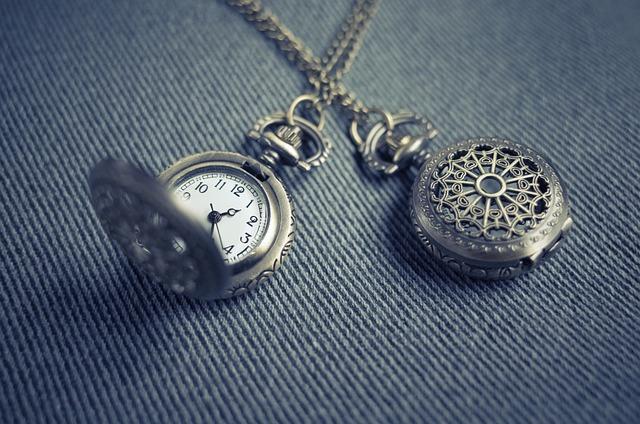
If you’ve ever paused at a flea market stall, mesmerized by a tiny locket or a gleam of old gold, you already know: vintage jewelry has a special kind of magic. These little pieces carry big stories-whispers of weddings and wartime, dance halls and dinner parties, love letters and long train rides. Slip on a ring from the 1930s or a brooch from the ’60s and you’re suddenly connected to someone’s cherished moment, preserved in metal and stone.
Part of the charm is the craftsmanship. Before mass production took over, jewelers shaped details by hand, set stones with care, and hid tiny surprises-like engraving inside a band or a maker’s mark only visible under light. And beyond romance, there’s purpose: choosing vintage is kinder to the planet and often kinder to your wallet, too. It’s slow fashion in its most sparkling form.
In this article, we’ll explore how to spot quality, decode hallmarks and eras (hello, Art Deco lines and mid-century glamour), and shop smart-whether you’re browsing your grandmother’s jewelry box, your local thrift shop, or a reputable online seller. You’ll get styling ideas to pair vintage with modern outfits, plus simple tips for cleaning, storing, and caring for delicate pieces so they last another lifetime.
Ready to hunt for treasures-and the stories they tell? Let’s open the jewelry box.
Table of Contents
- Decode the eras: Art Deco to Midcentury with hallmarks motifs and metals to look for
- Authenticity essentials: hallmarks gem cuts clasp types and documentation that build trust
- Smart buying tips: where to shop how to spot fair pricing and questions to ask sellers
- Care and styling: gentle cleaning safe storage and effortless ways to wear vintage daily
- To Conclude
Decode the eras: Art Deco to Midcentury with hallmarks motifs and metals to look for
Think skyscrapers in gemstones and you’re in the right decade. In the 1920s-30s, designers chased crisp geometry, high-contrast palettes, and ultra-refined metalwork. When you’re sleuthing, let symmetry lead you: clean lines, icy whites, and sharp silhouettes often signal the glamour of the Jazz Age. Texture is meticulous rather than flamboyant; diamonds are often old European, single, or early baguette cuts, and mountings whisper with milgrain and filigree. Exotic touches-onyx, jade, rock crystal, and enamel-add graphic punch, while precious metals favor cool tones and exacting craftsmanship.
- Motifs to spot: stepped and chevron profiles, sunbursts, fans, Egyptian and Asian revival, stylized florals, target and shield rings
- Metals & techniques: platinum and 18k white gold, palladium during shortages; milgrain, calibré-cut sapphires/emeralds, onyx panels, rock crystal, pristine filigree
- Hallmarks: PLAT, IRID PLAT, PT950; karat stamps 18K/14K; French assay marks like the dog’s head (platinum) and eagle’s head (18k gold); maker’s signatures (Cartier, Van Cleef & Arpels, Tiffany & Co.)
By the 1940s-60s, volume and warmth take over: wartime scarcity birthed bold Retro curves in rosy gold, then postwar optimism ushered in shimmering textures and playful modern shapes. Think cocktail rings with sunny citrine or aquamarine, sculptural bracelets that slink like gas-pipe, and later, sleek Midcentury Modern lines, bark-finishes, and biomorphic forms. White metals return, pearls proliferate, and designers mix big personality with everyday ease-jewelry meant to be seen, loved, and lived in.
- Motifs to spot: tanks, gas-pipe and tubogas, bows and ribbons, bombé domes, starbursts, boomerangs, atomic and space-age forms, Scandinavian minimalism
- Metals & stones: rose/yellow 14k-18k, wartime palladium, later platinum and white gold; textured/bark finishes; citrine, aquamarine, rubellite/synthetic rubies, cultured pearls, turquoise and coral (’60s)
- Hallmarks: 14K/18K, 585/750; PLAT/950, Pd for palladium; STERLING/925 (Scandinavian modern); Italian star-and-number *xxx MI maker codes; signatures like David Webb, Bulgari, Georg Jensen. Tip: GF, RGP, HGE indicate plated/filled rather than solid.
Authenticity essentials: hallmarks gem cuts clasp types and documentation that build trust
Trust starts with clues you can see and feel. On metal, hallmarks act like time-stamped signatures: they reveal purity, makers, and often where a jewel began its journey. On stones, older cuts whisper their era through chunky facets and graceful imperfections-signs of human hands rather than laser lines. When you pause to read these details, you’re not just authenticating; you’re hearing the piece introduce itself.
- Purity marks: Look for 14K/585, 18K/750, 22K, Pt950, Sterling/925; uneven or softly worn stamps can still be right for age.
- Maker’s marks: Initials, symbols, or full names (from atelier to artisan). Consistency in font and placement matters.
- Assay and town marks: British lion/leopard, French eagle’s head, and other national symbols help pinpoint origin and era.
- Date letters: Especially in British and Irish pieces; the letter style changes by year and city.
- Hand-cut stone tells: Old Mine and Old European cuts with open culets, rose cuts with flat backs, French and calibre cuts in Art Deco settings.
- Facet feel: Slightly asymmetrical facets and higher crowns suggest pre-modern cutting; a perfect laser inscription may indicate later work.
Closures and paperwork complete the story. Clasps and catches evolve with fashion and technology, so the right mechanism on the right era piece bolsters credibility. Documentation-whether a faded receipt tucked into a velvet box or a modern lab report-bridges past to present and builds confidence for the next chapter of ownership.
- Clasp clues: C-clasps and tube hinges (19th c.), spring rings and early box tongues (late 19th-early 20th), trombone and safety catches on brooches (early 20th), figure‑eight safety on Deco box clasps, fold‑over and lobster clasps (mid‑century onward).
- Strand specifics: Fishhook clasps and pearl clasps with tiny safeties feel period-correct for many vintage necklaces.
- Earring backs: Screw-backs (1930s-1950s) and early lever-backs help date pairs; later conversions will show modern components.
- Condition tells: Gentle patina, hand-soldered joins, and era-appropriate wear read honest; sharp modern replacements can be fine-but should be disclosed.
- Paper trail: Original boxes, shop stamps, dated receipts, family notes, auction catalogs, and lab reports (GIA, AGL, SSEF) add authoritative context.
- Provenance marks: Engravings, monograms, and dates should suit the piece’s style; mismatched fonts or fresh laser logos on an “Edwardian” jewel deserve a second look.
Smart buying tips: where to shop how to spot fair pricing and questions to ask sellers
Treasure hunting is more rewarding when you shop in places that value authenticity and transparency. Build relationships with sellers who stand behind their pieces and don’t rush a decision-ask for extra photos, sleep on it, and compare similar items. Bring a loupe, a small magnet, and a pocket scale if possible, and look for crisp hallmarks, sturdy settings, and honest descriptions. Where to start:
- Reputable estate jewelers & auction houses: Offer condition reports, disclosures, and return policies; preview days let you inspect in person.
- Vetted online marketplaces: Filter for “vintage/antique,” check seller ratings, request hallmark close-ups, and confirm a clear return window.
- Independent bench jewelers: Many refurbish estate finds; ask what’s in their “back room” or recently acquired.
- Estate sales, fairs & flea markets: Arrive early, bring cash for leverage, and verify metals/stones before polishing distractions hide wear.
- Consignment & pawn with testing on-site: Good for bargains if they perform acid/XRF tests and weigh items in front of you.
- Museum shops & charity auctions: Often curated with provenance; proceeds support a cause, and sleepers still appear.
Fair pricing is a mix of materials, maker, era, condition, craftsmanship, and current demand-compare sold comps, not just asking prices. Start with a metal-value baseline, then add (or subtract) for design, rarity, and repair needs. Don’t be shy about clarifying details; the right questions protect your wallet and help you buy with confidence.
- Quick pricing checks:
- Confirm karat/platinum content and weight; compute a melt-value baseline to sanity-check premiums.
- Assess stone identity (natural vs. synthetic), treatments, chips/abrasions, and antique cuts that carry charm and value.
- Read hallmarks/maker’s marks and construction clues (hand-cut threads, old clasps, collet settings) that support age.
- Inspect condition: thinning shanks, worn prongs, lead solder, replaced findings-price in future repair costs.
- Use sold results (auction archives, eBay “sold”) for comparable style, era, maker, and materials.
- Smart questions to ask:
- How did you determine the date/era and authenticity? Any documentation or provenance?
- What tests were performed (acid/XRF for metal, gem ID), and can I see the results?
- Exact measurements/weight (grams, ring size, stone dimensions) and any previous repairs or resizing?
- Are stones natural and untreated? Any lab reports available or recommended?
- What’s the return policy, timeframe, and who covers shipping/restocking?
- Can you share macro/UV/daylight photos or a short video to evaluate sparkle, symmetry, and wear?
- Will you provide a written guarantee of authenticity and support for future maintenance?
Care and styling: gentle cleaning safe storage and effortless ways to wear vintage daily
Treat old-world sparkle with new-world gentleness. Most pieces only need light touch-ups, not deep scrubs. Build a simple ritual: a calm workspace, good light, and patience. Rinse away dust before you ever rub; water acts like a cushion between grit and metal. Respect the materials-what delights on diamonds can damage opals, pearls, turquoise, or enamel. When in doubt, do less, and let the piece keep a whisper of patina-that’s the poetry of its years.
- Soap and soak: Lukewarm water + a drop of pH‑neutral soap; swish, don’t scrub. Use a soft brush only on metal and hard gems.
- No ultrasonics or steam for pearls, opals, emeralds, turquoise, coral, or enamel.
- Pearls: wipe with a barely damp cloth after wear; keep perfumes and hairspray off them.
- Dry fully: blot with microfiber, then air‑dry face down on a towel so moisture escapes settings.
- Silver: use an anti‑tarnish cloth, not dip; for vermeil/plated, only gentle cloth-no vigorous rubbing at edges.
- Safety check: look for loose stones or tired clasps; schedule a jeweler’s tightening rather than risking a loss.
Make vintage an everyday signature by pairing it with pieces you already love and storing it like a pro. Keep the rhythm simple: jewelry goes on last, comes off first. Mix eras for personality, or spotlight one storyteller at a time. Convert, clip, and layer so heirlooms move with your wardrobe instead of living in a drawer.
- Smart storage: one piece per soft pouch or felted slot; close clasps and lay chains flat (thread a delicate chain through a straw to prevent tangles).
- Anti‑tarnish allies: add strips to drawers; stash silica gel in humid climates; keep away from heat and direct sun.
- Pearls need to breathe: fabric pouch, not plastic; wear them-skin’s moisture keeps nacre happy.
- Layer lightly: 14-18-22 inch chains create a graceful staircase; let one vintage pendant lead the eye.
- Brooch magic: clip on a blazer, slide onto a converter to wear as a pendant, or pin at the waist to cinch a scarf.
- Mix metals and moods: a Deco solitaire with a modern signet; warm gold with cool silver for effortless contrast.
- Earrings, reinvented: add vintage drops to simple huggies or revive single “orphan” studs as jacket accents.
To Conclude
If there’s one thing vintage jewelry teaches us, it’s that beauty gets better with time-and with a tale. Whether it’s a Deco brooch that’s danced through decades of parties or a heirloom signet ring softened by generations of hands, these little pieces carry big, human stories. They’re wearable postcards from the past, and they let us add our own chapter every time we clasp a necklace or slip on a band.
So the next time something glints at the bottom of a flea-market tray or in your grandmother’s jewelry box, pause. Ask where it’s been. Listen for the soft echo of its journey. Choosing vintage isn’t just about style; it’s about sustainability, craftsmanship, and connection-the kind you can feel, not just see.
I’d love to hear about your favorite vintage find or the piece you’re hoping to discover next. Share your story in the comments, and if you enjoyed this dive into sparkle with history, stick around-there’s more to come. Here’s to rescuing treasures, honoring their pasts, and wearing them boldly into the future. What story will you wear next?
