
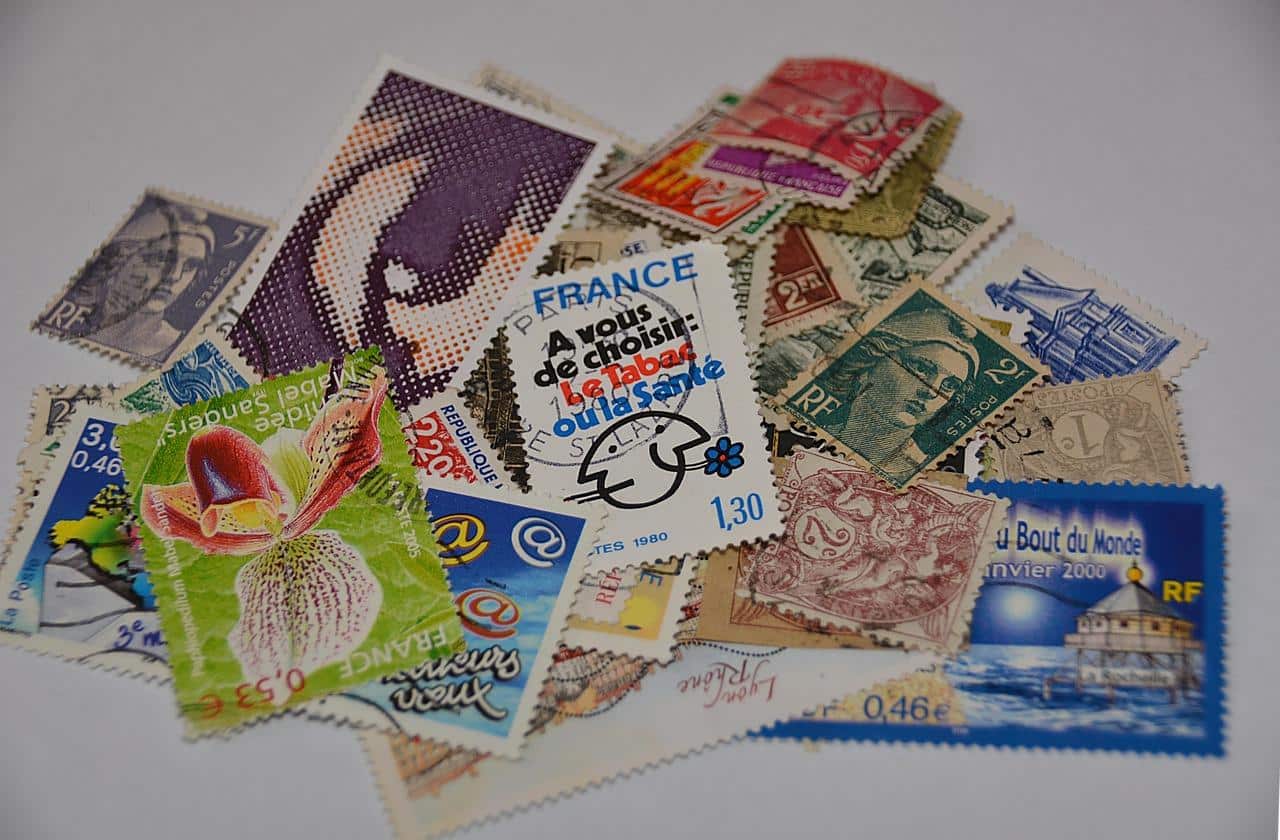
There’s a special kind of magic in holding a tiny piece of paper that’s crossed oceans and decades to reach you. Collectible stamps are little passports to the world-miniature works of art that carry stories of culture, history, and everyday life from faraway places. Whether you’re sifting through a shoebox of old envelopes or flipping the crisp pages of an album, each stamp invites you to travel without ever leaving your desk.
Maybe you’re a lifelong collector who still gets a thrill from finding a rare cancellation, or maybe you’ve just discovered the charm of a vibrant commemorative set from a country you’ve never visited. Either way, the joy is the same: the hunt, the discovery, and the quiet satisfaction of placing a new treasure in its spot.
In this article, we’ll explore what makes global stamp collecting so irresistible-from the stories hiding in design details to the communities that make sharing and trading such a delight. You’ll pick up ideas for starting (or rekindling) a collection, learn how to spot what makes a stamp special, and find inspiration to chase your next tiny masterpiece. Let’s open the album and begin.
Table of Contents
- Discover Themes and Stories That Bring Global Stamps to Life
- Where to Find Hidden Gems from Post Offices Estate Sales and Online Auctions
- Preserve Color and Value with Archival Albums Tongs Watermark Fluid and Simple Climate Control
- Use Scott Michel and Stanley Gibbons plus UV Lamps to Authenticate Price and Trade Confidently
- In Summary
Discover Themes and Stories That Bring Global Stamps to Life
Every tiny vignette on a stamp is a passport to a place, a moment, or a turning point-miniature posters that pair design craft with lived history. From crisp intaglio portraits to exuberant offset color bursts, these pocket-sized artworks whisper stories of explorers, inventors, poets, and everyday workers. Look closely at the paper, perforations, and inks: a satin-surfaced definitive from Scandinavia tells a different tale than a foil-embossed commemorative from West Africa, yet both carry the heartbeat of their cultures. Follow postmarks across oceans, compare issue years, and you’ll see how national milestones, artistic styles, and even political shifts take shape through philately’s most charming storytellers.
- Exploration & Space: Track the arc from early air mail to lunar landings, mapping ambition one cancellation at a time.
- Nature & Conservation: Celebrate biodiversity-birds in migration, reef fish in neon palettes, forests saved by semi-postals.
- Culture & Celebration: Festivals, textiles, cuisine, and dance steps preserved in bright lithography and delicate engraving.
- Innovation & Industry: Rail lines, radio waves, vaccines-modern life sketched in cogwheels, circuits, and lab glass.
- Art & Iconography: Masters reinterpreted in miniature; typography and color theory doing heavy narrative lifting.
- Postal History & Oddities: Overprints, error prints, and se-tenant sets that turn quirks into conversation starters.
To build a collection that sings, curate by theme and let each page answer a question: who is honored, why now, and how was the story printed? Pair stamps with First Day Covers, relevant postmarks, and short captions that add context-a launch date, a treaty signed, a species restored. Mix eras and countries to spark dialogue between designs; set a classic engraved portrait beside a modern, vector-bright sheet and note what changes. With a little storytelling and a few mindful prompts, your album becomes a living atlas-one where every hinge, margin, and margin note pulls the world a little closer.
Where to Find Hidden Gems from Post Offices Estate Sales and Online Auctions
Some of the most satisfying finds come from places others overlook. Tap into your local postal community and estate liquidators-many towns host charity clear-outs or philatelic bureau deaccessions, and inherited collections often get bundled into box lots no one has time to sort. Arrive early with a small kit-loupe, UV flashlight, watermark tray, and a few stock cards-and prioritize condition, completeness, and postmarks while you skim.
- Postal touchpoints: community boards at post offices for charity auction notices; postal museums or philatelic bureaus occasionally release surplus.
- Estate sale previews: scan listings for clues like “shoebox,” “attic find,” “world collection,” or “to be sorted.”
- Club bourses and society meets: dealers bring fresh, unpicked accumulations and mixtures at fair prices.
- Library and charity sales: donated albums can hide scarce watermark varieties and clean postal history.
- Antique malls: check glass cases for envelopes labeled “foreign” or “old stamps,” often priced to move.
Online, the hunt scales globally-and quietly. Mix mainstream marketplaces with specialist auction houses to catch miscategorized lots and misspelled listings before they trend. Use saved alerts, insist on back scans, and bid with discipline so the “bargain” stays a bargain.
- Where to browse: eBay, Delcampe, HipStamp, Philasearch, StampAuctionNetwork; major houses like Spink, Cherrystone, and Kelleher (look for “collections & balances”).
- Smart queries: “estate hoard,” “old album,” “world mix,” “shoebox,” “kiloware,” plus variants like “phillatelic” or alternate country spellings.
- Due diligence: request reverse images, check perfs and watermarks, and cross-reference with Scott, Stanley Gibbons, Michel, or Yvert values.
- Safety first: verify feedback and returns; pay with buyer protection; choose insured/registered shipping; ask for stamps left on piece when cancels or postal history matter.
- Bid strategy: set a hard ceiling, use snipes on timed sales, combine shipping, and favor lumpy “unsorted” lots you can curate for profit.
Preserve Color and Value with Archival Albums Tongs Watermark Fluid and Simple Climate Control
Vibrant inks and crisp paper survive the decades when you pair gentle handling with the right home for your treasures. Choose archival-grade albums and materials so colors stay true and gum stays sound, and handle every piece with tongs so natural skin oils never get a chance to whisper onto the margins. When identifying varieties, reach for watermark fluid and a dark tray-it reveals details fast, then evaporates cleanly-so you can study without stress.
- Archival albums/pages: acid‑free, lignin‑free, and PVC‑free sheets to prevent toning or plasticizer damage.
- Mounts over hinges for mint: clear, non‑PVC mounts protect gum and keep edges sharp; use quality hinges only for used stamps.
- Glassine interleaves or polyester sleeves to shield colors from rubbing and stray humidity.
- Rounded-tip tongs to lift and position without bends, thins, or fingerprints.
- Watermark fluid basics: small amount in a black tray, brief contact, well‑ventilated area, away from flame; let the stamp dry fully before remounting.
Color loss loves extremes, so keep your collection where the climate is stable, cool, and dry-not in basements or attics. Simple, low‑tech habits go a long way: soften light with UV protection, buffer swings in humidity, and give albums a little breathing room on the shelf. Your stamps will thank you with richer hues and solid long‑term value.
- Light control: store away from windows; use UV‑filter sleeves or glass for any display and rotate pages to limit exposure.
- Humidity balance: aim for moderate, steady RH; add silica gel or molecular sieves with indicator cards and regenerate them regularly.
- Temperature steadiness: interior rooms and closed cabinets beat exterior walls; avoid vents and radiators.
- Clean air: keep albums dust‑free; avoid scented cleaners and off‑gassing plastics near shelves.
- Routine checks: quick seasonal inspections catch foxing, curling, or loose mounts before they become problems.
Use Scott Michel and Stanley Gibbons plus UV Lamps to Authenticate Price and Trade Confidently
Pricing a new find doesn’t have to feel like guesswork. Pull the big three catalogues off the shelf-Scott for North America, Stanley Gibbons for Commonwealth, and Michel for continental Europe-and triangulate. Start with the country and issue date, then cross‑walk listing numbers while noting differences in paper, perforations, shades, and any surcharge or overprint. Remember catalogue values are reference anchors; fine‑tune for centering, gum, hinges, cancellations, and current demand. When selling or trading, quoting multiple catalogue numbers with crisp condition notes signals professionalism and helps buyers compare like‑for‑like.
- Cross‑reference: Record the Scott/Michel/SG numbers side‑by‑side for each stamp or variety.
- Use current data: Check the latest editions and mind currency conversions for realistic pricing.
- Detail varieties: Note perf gauges, paper types, shades, and tagging to avoid look‑alikes.
- Validate with the market: Compare against recent auction results and dealer lists, not just book values.
- Document clearly: Add high‑res front/back images and concise remarks buyers can trust.
Light tells stories ink can’t. A philatelic UV lamp-longwave for modern tagging and shortwave for phosphor/fluorescent papers-helps confirm listed varieties and exposes alterations. In a dim room, scan both sides to observe authentic phosphor bands, paper fluorescence intensity and afterglow, plus signs of trouble like cleaned cancels, re‑gumming, surface scuffs, filled thins, or re‑perforation. Fold those observations into your catalogue notes to verify identity and refine value, then state the evidence in your listings-confidence rises, haggling falls, and deals close faster.
- Confirm tagging: Match the number, width, and placement of bands or overall coating described in the catalogues.
- Spot repairs: Look for uneven glow, dark patches, or brush marks that betray tampering.
- Distinguish papers: Separate dull, OBA‑loaded, and phosphorized stocks that carry different valuations.
- Be safe: Use a filtered lamp, protect your eyes, and limit shortwave exposure.
- Record the glow: Snap UV photos and add them to your sale or swap notes to bolster buyer trust.
In Summary
As tiny as they are, stamps carry whole worlds on their corners-history, design, culture, and the thrill of discovery. Whether you’re thumbing through a flea-market find or carefully mounting a long-searched-for issue, each piece is a little passport to somewhere else.
If this sparked your curiosity, start with what catches your eye: a color, a country, a theme. Trade with a friend, visit a local club, or dive into an online community-half the joy is swapping stories behind the paper. And remember, there’s no “right” way to collect; there’s only your way.
I’d love to hear about your favorite find or the stamp that started it all. Share a photo or a story in the comments, and tell us where your album took you today.
Until next time, happy collecting-and may your next great stamp be just a postmark away.
