
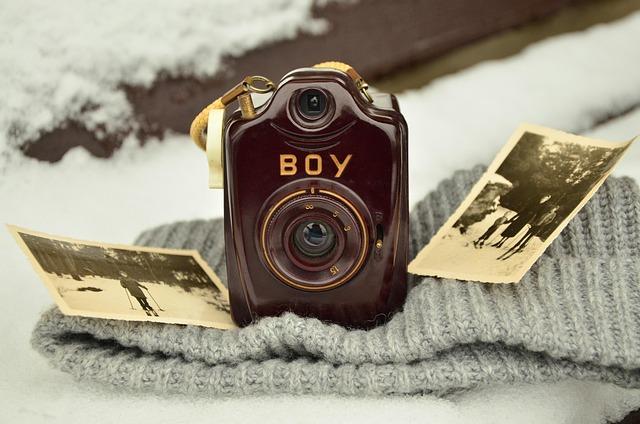
Ever held a dented canteen or faded unit patch and wondered whose hands gripped it first? Vintage military memorabilia has a way of shrinking history from epic timelines into something you can hold in your palm. These objects-field maps, letters home, medals, uniforms-carry quiet stories about courage, fear, ingenuity, and everyday life in extraordinary times.
Exploring this world isn’t just about collecting things; it’s about connecting dots. Memorabilia helps us preserve personal histories that textbooks can’t always capture, spark conversations across generations, and remind us that the past is made of real people, not just dates and battles. It also nudges us to think critically-about context, provenance, and the ethics of what we buy and display-so we honor service and sacrifice without romanticizing war.
Whether you’re a seasoned collector, a history buff, or simply curious about that trunk in your attic, this article will help you see why these artifacts matter. We’ll talk about how to recognize meaningful pieces, protect and research them, and approach the hobby with respect and care. By the end, you’ll have a deeper appreciation for the stories these items tell-and how keeping them alive keeps our shared history honest, human, and within reach.
Table of Contents
- Why Vintage Military Memorabilia Matters to History and Family Stories
- Authentication Made Doable with provenance trails maker marks unit rosters and wartime photographs
- Preservation That Lasts with acid free storage silica gel gentle cleaning and safe display lighting
- Smart and Ethical Sourcing with trusted dealers estate sales deactivated ordnance rules and clear documentation
- Closing Remarks
Why Vintage Military Memorabilia Matters to History and Family Stories
Handled with care, these artifacts act as a tactile archive-evidence you can hold. A scuffed canteen, a creased field letter, or a sun-faded unit patch captures choices, places, and moments that rarely make it into textbooks. Each piece anchors the big-picture narrative in lived experience, revealing logistics, ingenuity, and the everyday courage of ordinary people. Because they’re objects born of real service and sacrifice, they invite empathy as much as curiosity, encouraging us to ask better questions and seek out the human details behind dates and maps.
- Field maps and annotations reveal strategy on the ground.
- Dog tags and service records connect names to journeys.
- Patches and insignia decode units, roles, and campaigns.
- Letters and postcards preserve voices and emotions in real time.
- Ration books and kit items trace daily life under pressure.
Within families, these mementos become bridges across generations. They spark conversations that turn fragments into full stories-how a grandparent learned a skill, formed lifelong friendships, or navigated the return home. Curating them with intention turns memory into legacy, making room for both pride and reflection, and ensuring descendants inherit context, not just objects.
- Record provenance: note names, dates, places, and anecdotes on acid-free tags.
- Pair objects with voices: capture oral histories or captions before details fade.
- Digitize thoughtfully: scan letters and photos; store files with clear filenames.
- Preserve respectfully: use archival sleeves, avoid harsh cleaning, and document condition.
- Share the story: create a small family exhibit or blog page to keep memories alive.
Authentication Made Doable with provenance trails maker marks unit rosters and wartime photographs
Turning a hunch into confidence starts with a clear provenance. Build a paper-and-people trail that links the object to a time, place, and person, then triangulate with physical evidence. Cross-reference what you can see-stamps, engravings, construction details-with what you can prove-documents and images. The goal is a cohesive story where each clue supports the next, not a single “gotcha” mark.
- Provenance trail: Receipts, letters, service papers, shipment tags, estate notes, and prior auction listings curated in chronological order.
- Maker’s marks: Hallmarks, inspector stamps, depot codes, contract numbers, and date wheels matched to factory ledgers or period catalogs.
- Unit rosters: Muster rolls, morning reports, and award citations to tie named items to a specific company, battalion, ship, or squadron.
- Wartime photographs: Studio backmarks, censor stamps, field-post numbers, and image context that visually anchor the item in use.
- Contextual anchors: Maps, operational diaries, and newspaper clippings that explain why an item was there and who likely handled it.
Once the backbone is set, verify details like a detective. Decode contract codes, match serial ranges, and read uniforms and kit in photos the way a curator reads a caption. Be friendly to nuance: repaints, field mods, and depot repairs can be authentic too-provided the story and the materials line up.
- Decode and date: Compare stamps and fonts to period references; beware postwar typefaces or laser-sharp re-strikes.
- Roster match: Align a name or service number on the item with unit rolls; confirm promotions or transfers on the dates claimed.
- Photo pairing: Look for consistent wear patterns, unit insignia placement, and theater-specific details (mud, dust covers, seasonal gear).
- Material sanity check: Verify fabric weave, thread color, rivet style, finish, and fasteners against era-correct manufacturing.
- Paper and emulsion: Silver-gelatin prints, period watermarks, and wartime censor marks beat modern inkjets every time.
- Chain of custody: Note each handoff; gaps aren’t fatal, but unexplained leaps are. Document everything with clear photos and captions.
Preservation That Lasts with acid free storage silica gel gentle cleaning and safe display lighting
Give your cherished pieces a future by pairing museum-grade materials with everyday care. Swap brittle cardboard and PVC sleeves for acid‑free, lignin‑free enclosures that won’t leach acids into paper maps, service records, or uniform patches. Keep moisture in the sweet spot with discreet silica gel packs-humidity swings cause corrosion, mold, and warping. And when dust appears, think gentle cleaning: protect patina and original finishes by lifting particles rather than scrubbing, and always test in an inconspicuous spot.
- Archival housing: Use acid‑free boxes and folders; interleave paper with buffered tissue, but choose unbuffered for wool, silk, and dyed textiles.
- Moisture control: Place rechargeable silica gel with indicator cards inside boxes; aim for stable RH around 40-50% and regenerate packs as directed.
- Hands-on care: Handle with clean nitrile gloves; lift dust with a soft artist’s brush or microfiber cloth; avoid metal polishes and aggressive cleaners.
- Smart labeling: Write in pencil on acid‑free tags; never stick tapes or labels directly onto artifacts.
Display is storytelling-but light is a slow fade. Choose safe display lighting that honors the narrative without sacrificing longevity: warm, low‑UV LEDs, UV‑filtering glazing, and modest brightness preserve inks, fabrics, and finishes. Rotate sensitive items off exhibit, and support them with inert materials so gravity and adhesives don’t become the villains of your collection’s timeline.
- Light wisely: Warm LEDs (2700-3000K) with dimmers; add UV‑blocking film or acrylic on frames and cases.
- Keep it low: About ≤50 lux for paper and textiles, ≤150 lux for painted or finished surfaces; use timers and light only when viewing.
- Inert supports: Mylar/Melinex sleeves, polypropylene boxes, acid‑free boards, and polyethylene foams; avoid PVC, rubber, and acidic mounts.
- Rotate and rest: Short display cycles with dark storage intervals, and note light exposure in your catalog for long‑term planning.
Smart and Ethical Sourcing with trusted dealers estate sales deactivated ordnance rules and clear documentation
Building a collection that you can be proud of starts with sourcing that respects history, the law, and the people connected to these items. Favor trusted dealers with clear policies, transparent pricing, and a reputation for accuracy, and approach estate sales with empathy and patience. Ask for provenance and take your time verifying details-ethical buying keeps fakes and questionable pieces out of circulation while preserving stories that matter.
- Request provenance (who owned it, how it changed hands, and when).
- Check for dealer memberships, references, and return guarantees.
- Compare markings and wear to period references; avoid “too perfect” pieces.
- Document respectful communication at estate sales and avoid pressure tactics.
- Keep screenshots, listings, and receipts to support future authentication.
Items that were once functional-such as grenades, shells, or firearm components-must comply with deactivated ordnance requirements where you live. Never assume “inert” means legal; verify standards, visible modifications (e.g., welded or drilled to spec), and transport rules before purchase or shipment. Insist on clear documentation to protect yourself and future buyers, and maintain a paper trail that proves compliance, ownership, and ethical origin.
- Obtain deactivation certificates and photos showing compliant modifications.
- Secure a bill of sale with seller details, item description, and serials/marks.
- Confirm any export/import permits (ITAR/EAR or local equivalents) as needed.
- Record storage and display notes that prioritize safety and legal compliance.
- File everything in a dedicated collection log for due diligence and resale.
Closing Remarks
Exploring vintage military memorabilia isn’t just about rare finds or display cases-it’s about keeping real people and their stories close. These objects bridge past and present, invite empathy, and help us remember the sacrifices, lessons, and lives tied to them.
If you collect, do it thoughtfully: learn the history, document provenance, care for items properly, and be mindful of symbols and context. Even a quick note taped to a family photograph or a recorded conversation with an older relative can preserve meaning that might otherwise be lost.
I’d love to hear your stories. What piece has spoken to you, and why? Share in the comments, ask a question, or tell us about an item you’re curious to research. Whether you visit a local museum, support a preservation project, or start a small collection of your own, you’re helping keep history alive-one artifact, one memory at a time. Thanks for reading.
