
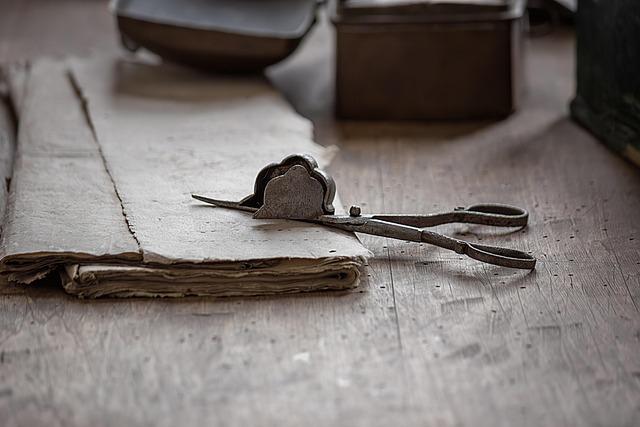
There’s a certain hush that settles in when you pick up an old object and feel its weight in your hand. Maybe it’s a brass lamp with a soft, honeyed sheen or a suitcase scuffed just so, as if it’s seen more train platforms than we’ll ever count. That warm glow isn’t only about color; it’s the radiance of time-the polish of countless touches, the quiet record of lives lived and places visited.
If you’re drawn to vintage things, you already know the thrill: the quick spark of recognition in a flea market aisle, the way a worn wooden handle seems to fit your grip like an old friend. But what makes these pieces more than decor is the history stitched into them-stories hidden in dovetail joints, maker’s marks, repair lines, and the materials themselves. Each clue is a breadcrumb back to a moment, a craftsperson, a home.
In this article, we’ll explore how to find and read that history without needing a degree in antiques. We’ll talk about spotting quality, decoding details, and gently coaxing provenance from sellers and sources. We’ll look at ways to care for what you bring home, and how to blend old and new so your space feels collected, not cluttered. Most of all, we’ll celebrate the small, human connections that vintage objects make possible.
Grab a cup of something warm. Let’s follow the glow.
Table of Contents
- The Warm Glow That Tells a Story: Reading Amber Glass, Aged Brass, and Hand Rubbed Wood
- Quick Ways to Verify Age and Quality: Maker Marks, Hand Cut Dovetails, Old Growth Grain, and a UV Flashlight for Uranium Glass
- Smart Places to Hunt and When to Go: Estate Sales on the Final Day, Habitat ReStores, Church Rummage Sales, and Small Town Thrift Loops
- Gentle Care and Cozy Display Ideas: Clean with pH Neutral Soap, Protect with Museum Wax, Store with Acid Free Tissue, and Light with Soft White LED Bulbs
- Key Takeaways
The Warm Glow That Tells a Story: Reading Amber Glass, Aged Brass, and Hand Rubbed Wood
That honeyed shimmer you see in old cupboards and on mantelpieces is more than a pretty surface; it’s a timeline you can hold. In amber glass, the warmth comes from minerals and age, refracting light like late afternoon sun. Aged brass glows rather than glares, its patina softening edges the way memory softens a story. And hand-rubbed wood? It whispers in satin, where fingertips and wax have coaxed the grain to rise and fall like a quiet breath. Tilt each piece to the light and you’ll catch the clues: a ripple, a bruise, a deepened hue that says “I’ve been here, I’ve mattered, I’ve witnessed.”
- Amber glass: Look for tiny seed bubbles, wavy or “straw” lines, and a subtle gradient around thicker rims. A rough or light “ring” on the base can hint at a pontil scar or long-ago hand-finishing.
- Aged brass: High points wear bright while crevices hold olive-brown patina with whispers of verdigris. The glow is mellow, not mirror-sharp-think candlelight, not spotlight.
- Hand-rubbed wood: The surface feels dry-silky, not plastic-slick; edges darken naturally; grain shows depth and “chatoyance,” a cat’s-eye shimmer when you shift the angle.
To keep that story legible, clean gently and preserve the work time has already done. For brass, favor a soft cloth over harsh polishes-leave the patina, brighten only where touch naturally would. For wood, a whisper of paste wax or beeswax feeds the finish and coaxes back that quiet gleam; avoid glossy polyurethane that flattens character. And glass? Mild soap, warm water, and patience-no scouring pads, no shocky temperatures. The goal isn’t to make old things look new; it’s to make them look loved, letting the warm glow carry its chapters forward.
Quick Ways to Verify Age and Quality: Maker Marks, Hand Cut Dovetails, Old Growth Grain, and a UV Flashlight for Uranium Glass
Start with signatures you can read and joints you can feel. Flip pieces over, pull drawers out, and peek behind backs and beneath bases-history hides where hands rarely touch. Maker or retailer stamps, scratched initials, and patent dates can anchor an object in time; the same goes for hardware with early fasteners. For joinery, trust your eyes more than perfection: slight irregularity is the fingerprint of a craftsperson. Machine-made parts repeat; handwork meanders, gracefully.
- Maker marks: underside of seats, drawer sides/backs, clock movements, mirror backs, inside lid rims, and metal fittings; look for hallmarks, city names, patent dates, and script logos.
- Hardware clues: slot-head screws and square nails predate mid-20th-century Phillips heads; mismatched patina can signal later repairs.
- Hand-cut dovetails: uneven pin/tail widths, faint scribe lines, over-cut saw marks at the baseline, and tool chatter; machine dovetails are uniform and often too crisp.
Read the wood and play with light. Old-growth boards tell their story in tight, steady growth rings and heft; quarter-sawn oak flashes those shimmering medullary rays, while pine darkens to a warm honey with age. For glass, a pocket UV reveals a secret show: uranium glass rewards curiosity with a vivid green glow. It’s a fun, low-stakes test-just add a dark corner and a small flashlight.
- Old-growth grain: tight, consistent rings; ray fleck in quarter-sawn oak; wear and oxidation on hidden surfaces that match exposed areas; seasoned weight and aroma in softwoods.
- UV test for uranium glass: a 365-395 nm light makes it fluoresce lime green; check edges, seams, and bases; genuine pieces show age wear on feet and rim. Note some modern glass also glows-pair the test with tooling marks and base wear for confidence.
Smart Places to Hunt and When to Go: Estate Sales on the Final Day, Habitat ReStores, Church Rummage Sales, and Small Town Thrift Loops
There’s a sweet spot where patience meets timing, and that’s where treasures appear. At estate sales, the last day is your moment-prices soften, bundles are welcomed, and pieces that felt out of reach suddenly become possible. Bring measurements and a small flashlight; you’re shopping for history, not just objects. Over at your local Habitat ReStore, think like a contractor: weekday mornings often see fresh drop‑offs, and the hardware aisle hides the gold-old brass pulls, glass knobs, porcelain switch plates, and solid-core doors with stories to tell.
- Estate sales, final day: Arrive in the last 2 hours for 50-75% markdowns; politely ask, “Could you do better if I take these together?”
- Bundle strategy: Group complementary pieces (frames, linens, flatware) for a single offer-easier for the host, better for your wallet.
- ReStore rhythms: Check midweek mornings; ask staff about markdown cycles and peek at the back racks where “just processed” items land.
- Focus finds: Vintage lighting, sink basins, solid wood shelving, and odd-lot tile-perfect for small, character-rich projects.
Community sales are where provenance gets personal. Church rummage sales reward both the early bird and the close‑out hunter: preview nights for rare textiles and ephemera, last‑hour “bag day” for the serendipity haul. For the small‑town thrift loop, trace a circle on the map and give yourself a quiet weekday-Wednesday or Thursday-when volunteers have sorted donations and dealers have moved on. A thermos, a tape measure, and a kind word go further than you think.
- Church sales: Preview evenings for curated picks; final hour for fill‑a‑bag steals. Ask volunteers if there’s a “priced but not displayed” box under the tables.
- Cash and kindness: Small bills speed lines and sometimes unlock a friendly discount that card readers won’t.
- Thrift loop timing: Hit the farthest town first at opening, loop back by lunch for fresh carts; note restock days for each shop.
- Route discipline: Keep a short list (sizes, finishes, missing parts) and stick to it-history feels best when it fits your space and your story.
Gentle Care and Cozy Display Ideas: Clean with pH Neutral Soap, Protect with Museum Wax, Store with Acid Free Tissue, and Light with Soft White LED Bulbs
Gentle cleaning is a love language for heirlooms. Mix a drop of pH‑neutral soap in warm water and work with a soft cloth, dabbing instead of scrubbing so patina stays put and fragile finishes don’t lift. Think “kiss of moisture,” not a bath: dampen, lift grime, then dry right away. For metal trim, ceramics, and glass, a cotton swab helps reach seams and crevices; for wood, keep water to the bare minimum and follow the grain. Skip harsh chemicals-ammonia, vinegar, and bleach can etch, cloud, or corrode. The goal is to keep history intact while coaxing back a soft, honest glow.
- Test first on an inconspicuous spot; if color transfers, stop.
- Use microfiber or old cotton tees; add a soft brush for detailing.
- Blot dry with a lint‑free towel, then allow complete air‑drying before display.
- Never soak wood, leather, paper, or glued joints; moisture is their enemy.
Once clean, think cozy safety. A pea‑sized dab of Museum Wax under a base or plate lip keeps pieces steady on shelves without harming finished wood or glass-and it peels away with a gentle twist when you want to restyle. For storage, cushion surfaces with Acid‑Free Tissue to slow tarnish, prevent abrasion, and support delicate shapes. When you bring everything to life, choose Soft White LED Bulbs that run cool and low‑UV; warm 2700-3000K light flatters aged lacquer, milk glass, and brass, adding glow without heat or fade.
- Anchor tall or tippy items with Museum Wax; use felt pads for surfaces that shift.
- Line drawers and boxes with Acid‑Free Tissue; wrap handles and protrusions separately.
- Prefer Soft White LEDs with high CRI (90+) and dimmers; aim light indirectly to avoid hot spots.
- Rotate displays seasonally and give light‑sensitive pieces a “rest” to preserve color.
Key Takeaways
If there’s a common thread running through old brass lamps, sun-faded postcards, and chipped ceramic bowls, it’s this: they glow with more than light. They glow with time. In a world that keeps asking us to move faster and buy newer, vintage objects invite us to pause, listen, and let our imaginations bridge the gap between then and now. Every scratch and soft edge is a breadcrumb back to a life lived, a hand that reached, a room that held a different kind of quiet.
You don’t need a glass case or a perfect provenance to feel it. Start with what calls to you-a teacup that feels right in your palm, a frame with an old photograph, a wool coat that makes you stand a little taller. Notice how these pieces slow the room, soften the light, and make your space feel more yours. As a bonus, choosing what’s already here is kinder to the planet, too.
I’d love to hear the stories your objects are telling. What’s your favorite vintage find, and what do you imagine it’s seen? Share in the comments, or send a photo-let’s build a little gallery of glow together. Because history isn’t only in books; sometimes, it’s right there on your shelf, humming softly, waiting to be noticed.
