
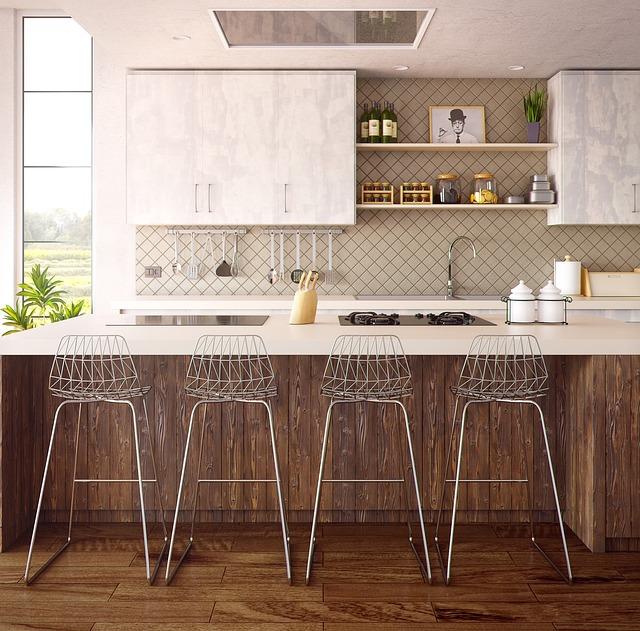
If your kitchen cabinets have great bones but a tired face, you’re in the right place. Maybe they’re a little scuffed, a lot orange, or just stuck in a past decade-yet something about their vintage charm keeps you from ripping them out. Good news: with a few smart updates, you can honor that character and make them feel fresh, functional, and totally “you,” without blowing the budget or living through a gut renovation.
In this guide, we’ll walk through practical, beginner-friendly ways to revive vintage cabinets-from deep-cleaning and quick fixes that deliver instant impact, to paint and stain options that modernize without erasing history. We’ll talk hardware swaps that make a big difference, creative touches like glass inserts or beadboard, lighting that flatters, and clever organization upgrades that make old boxes work like new. You’ll get tips on choosing colors that suit your space, what to DIY versus when to call in a pro, and how to keep things renter-friendly and sustainable.
Before you write off what you’ve got, let’s breathe new life into it-one thoughtful step at a time.
Table of Contents
- Start by assessing the wood finish and wear so you can choose paint stain or a subtle toner
- Prep for success with a deep clean repairs and sanding using a strong degreaser filler and progressive grits
- Prime and finish like a pro shellac based primer for bleed then waterborne alkyd enamel or gel stain for durability
- Add modern charm with new hardware soft close hinges under cabinet lighting and space saving organizers
- To Wrap It Up
Start by assessing the wood finish and wear so you can choose paint stain or a subtle toner
Before you grab a brush, play detective. Identify the wood species (solid vs. veneer) and the existing topcoat so you’ll know how far you need to go. Do quick spot tests on the back of a door: a rag dampened with denatured alcohol will soften shellac; lacquer thinner softens lacquer; if neither reacts, you’re likely dealing with varnish or polyurethane. Look for red flags like whitening around sink bases, greasy buildup near pulls, UV fade on uppers, lifted veneer at edges, and deep scratches or water rings. Note the grain character you want to celebrate or hide-open-pore oak behaves differently than tight-grain maple-because that choice points you toward paint, stain, or a subtle toner that adjusts color without burying the wood.
- Go painted if the finish is failing, species are mismatched, or repairs/patches need camouflage; pair a thorough clean and scuff with a bonding primer for durability.
- Go stained if you’re willing to strip or sand to bare wood and want richer, deeper color that highlights grain; gel stain helps control blotch on maple, pine, or cherry.
- Go toner if the clear coat is intact but yellowed or the tone is off; a light dye or pigment toner in your clear finish nudges color while keeping grain visible.
- Blotchy or uneven areas? Use a wood conditioner or a thin glaze/toner pass to even things out before the final topcoat.
- Not sure? Clean, degloss, then make test swatches on the back of a door: one with paint (satin or semi-gloss), one with stain + clear, and one with a toned clear. Check under your kitchen lighting and daylight to confirm undertones with counters and backsplash.
Once you’ve diagnosed the surface, the finish path chooses itself: paint excels at hiding flaws and unifying patchwork; stain is for bare wood where grain is the star; toner is your color-correcting filter when the structure is sound. Always begin with a thorough degrease (TSP substitute or mineral spirits), then scuff-sand or use a liquid deglosser for bite. Match sheen to lifestyle-satin is kinder to fingerprints, semi-gloss wipes clean. Whatever route you pick, lock it in with a compatible clear coat, and do a quick scratch test after cure time to ensure your makeover will stand up to busy kitchen traffic.
Prep for success with a deep clean repairs and sanding using a strong degreaser filler and progressive grits
Start with a spotless foundation so your finish sticks like a dream. Take doors and drawers off, label everything, and stash hardware in baggies. Wash every surface-fronts, backs, and edges-with a strong, paint-safe degreaser (think a TSP substitute or alkaline cleaner). Grease hides in corners and around pulls, so slow down and let the cleaner dwell before scrubbing. Rinse with clean water to remove residue and let the wood dry fully. A quick scuff-sand afterward helps reveal any stubborn shine or remaining grime and gives primer something to bite.
- Tools that help: microfiber cloths, a nylon brush, non-scratch pad, and a plastic scraper for thick buildup.
- Pro move: wipe with fresh water until your rinse cloths come away clean-residue can cause fisheyes or peeling.
- Safety first: ventilate, wear gloves and eye protection, and avoid soaking raw end grain.
- Pre-sand scuff: a light pass with 120-150 grit knocks down gloss after cleaning.
Fix flaws before you finesse. Press loose veneer, tighten joints, and fill dings, seams, and old hardware holes. Use a high-quality wood filler for minor defects; switch to a two‑part epoxy filler for deep gouges or corners that need strength. For open-grain species (like oak), a grain filler levels texture for a sleeker painted finish. Sand with a block for flats and a foam pad on profiles, always with the grain. Vacuum, then tack between steps; dust left behind telegraphs through paint and sabotages adhesion.
- 80-100 grit: initial leveling on heavy repairs or old finish ridges.
- 120-150 grit: shape filler flush without undercutting the surrounding wood.
- 180-220 grit: final pre-primer smoothness for most paints and primers.
- 280-320 grit: between primer coats or after primer to achieve that buttery finish.
- Edge care: go lighter pressure on edges and profiles to avoid burn-throughs.
Prime and finish like a pro shellac based primer for bleed then waterborne alkyd enamel or gel stain for durability
Stop bleed-through before it starts by sealing the wood with a fast-drying shellac-based primer. Vintage doors and face frames often hide tannins, old stain, and nicotine that can ghost through modern coatings. Shellac locks those in tight and gives your topcoat a glassy foothold. Work clean and deliberate-degrease, scuff, and repair so the primer can do its best work. Apply in thin, even passes, let it flash off, then scuff-sand for that buttery-smooth feel. Your future finish will look flatter, crisper, and more professional.
- Prep smart: Degrease with TSP substitute, rinse, and dry. Fill dings, then sand to 150-180 grit; break sharp edges to resist chipping.
- Prime to block: Brush or roll on shellac-based primer, focusing on end grain and knots. Let dry thoroughly; repeat on stubborn stain areas.
- Level the base: Scuff with 220-320 grit, vacuum, and tack. A silky primer surface makes your finish self-level like a dream.
- Safety first: Ventilate well and wear a proper respirator-shellac solvents flash quick but pack fumes.
Choose your final look and durability strategy. For a painted makeover, a waterborne alkyd enamel brings the hard-wearing resilience of oil with the low odor and easy cleanup of water-based, ideal for busy kitchens. Prefer to keep the wood vibe? Gel stain lays rich, even color over vintage grain and minimizes blotching-just lock it in with a clear topcoat for kitchen-grade protection. Whether you roll and tip or spray, thin coats and patient cure times are the secret sauce to a factory-level finish that laughs at daily use.
- Painted finish: Apply two to three thin coats of waterborne alkyd enamel in satin or semi-gloss; use a fine microfiber roller and tip with a high-quality brush. Add a manufacturer-approved extender for extra open time if needed.
- Stained look: Wipe on gel stain in controlled, thin layers; allow full dry between coats. Top with two to three coats of a compatible water-based clear (satin for warmth, semi-gloss for wipeability).
- Pro tips: Label doors, elevate on painter’s pyramids, and respect recoat/cure windows. Final cure can take 5-30 days-handle gently and reinstall hardware after the finish hardens.
Add modern charm with new hardware soft close hinges under cabinet lighting and space saving organizers
Small upgrades can deliver a big style payoff. Swap dated knobs for crisp silhouettes and coordinate finishes so your accents feel intentional, not matchy. Pair brushed brass with warm woods or lean into matte black for contrast against creamy paint. Silence the slam with soft‑close hinges and let a thin ribbon of light graze the backsplash-under‑cabinet LEDs add a cozy glow, highlight patina, and make prep work effortless. Aim for 2700-3000K warmth and a 90+ CRI so the character of your vintage grain reads beautifully.
- Update pulls and knobs: Slim bar pulls, classic mushroom knobs, or cup pulls in brushed brass, satin nickel, or matte black bring an instant refresh.
- Use backplates to cover old screw holes and add a tailored, period‑friendly detail.
- Upgrade to concealed soft‑close hinges for a clean profile and whisper‑quiet close on face‑frame or frameless boxes.
- Install under‑cabinet LEDs: low‑profile strips in diffuser channels for even light; add a dimmer or motion sensor for task‑to‑ambient flexibility.
Give your storied cabinets modern function with clever interiors that tame clutter and keep counters clear. Prioritize full‑extension access, zones for daily essentials, and vertical storage that makes the most of tight footprints. Choose organizers in materials that complement your era-bamboo, powder‑coated steel, or clear acrylic-so the inside feels as considered as the outside.
- Pull‑out trays and roll‑outs for pots, small appliances, and mixing bowls-no more deep‑cabinet dig.
- Vertical dividers for sheet pans, cutting boards, and platters; slide out what you need without shuffling stacks.
- Corner solutions: lazy Susans or kidney pull‑outs to reclaim dead space.
- Trash/recycling pull‑outs (add a slim bin for compost) to streamline cleanup.
- Drawer inserts for cutlery, spices, and knives; keep frequently used items within a one‑reach rule.
- Door‑mounted racks and toe‑kick drawers for lids, wraps, and baking tools where inches count.
To Wrap It Up
And that’s a wrap on breathing new life into those vintage kitchen cabinets. With some thoughtful prep, a fresh finish, and a few well-chosen details, you can honor the charm you already have while making your kitchen feel brighter, cleaner, and more “you.” It’s kinder to your budget, gentler on the planet, and so satisfying to see every day.
Remember: prep and patience pay off. Degrease well, sand or degloss as needed, prime for the surface you have, and give paint or topcoats time to cure. If your home was built before 1978, test for lead and follow safety guidelines. And don’t be afraid to let a little patina shine through-character is the whole point of vintage.
Whether you choose a classic wood refresh, a creamy two-tone paint, new hardware, glass or cane inserts, or a pop of color inside the doors, the best transformation is the one you’ll love living with. Start small if you need to, then build on your momentum.
I’d love to see your before-and-afters and hear the tricks you discovered along the way-drop questions or wins in the comments. If this was helpful, share it with a friend who’s eyeing their cabinets, and save it for your weekend project. Happy cabinet reviving!
