
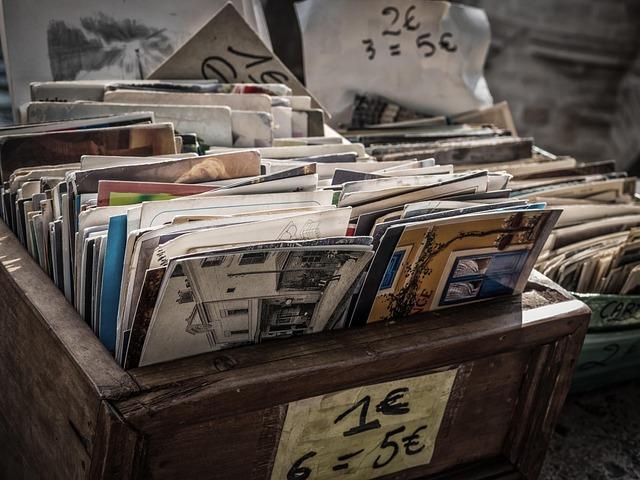
If your idea of a perfect weekend involves coffee in one hand and a surprise treasure in the other, Copenhagen’s flea markets are about to become your happy place. From mid-century teak and vintage lamps to quirky ceramics and stacks of vinyl, the city’s loppemarkeder are equal parts treasure hunt and hygge-filled hangout.
Wander through cobbled streets in Nørrebro, duck into an indoor hall in Østerbro, or browse seaside pop-ups on Refshaleøen-each market has its own personality, regulars, and irresistible oddities. You’ll hear the soft clink of porcelain, catch a whiff of cinnamon buns from a nearby bakery, and maybe find that perfect Danish design piece you didn’t know you needed.
In this friendly guide, I’ll show you where to go, when to visit, what to expect, and how to navigate like a local-right down to polite haggling and what to pack in your tote. Ready to rummage? Let’s go treasure hunting in Copenhagen.
Table of Contents
- Market by market picks Remisen Frederiksberg Loppemarked Ravnsborggade and Refshaleøen
- What to buy Danish teak ceramics vintage lighting and the price ranges to expect
- When to go seasonal weekends early bird tips and the best hours for bargains
- Paying and packing MobilePay cash etiquette rain gear and nearby coffee stops
- Concluding Remarks
Market by market picks Remisen Frederiksberg Loppemarked Ravnsborggade and Refshaleøen
Ready to zero in on exactly where to rummage? Here are the stalls and vibes that make each spot shine-perfect whether you’re chasing a statement lamp, a stack of vinyl, or that one quirky bowl your kitchen didn’t know it needed.
- Remisen (Østerbro)
Best for: Danish lamps, vinyl, enamel kitchenware, and kids’ finds under the same roof.
When to go: Early on a drizzly weekend-the indoor setting is cozy and packed with gems.
Vibe: Friendly sellers, curated stalls, family-ready browsing.
Pro tip: Bring a tote and small cash; many sellers also accept MobilePay. - Frederiksberg Loppemarked
Best for: Mid-century ceramics, teak knickknacks, vintage coats, and children’s clothes.
When to go: Right at opening for standout pieces; late for gentle bargaining.
Vibe: Leafy, local, and social-expect strollers, dogs, and good coffee nearby.
Pro tip: Snap a quick photo of booth numbers when you spot something; it’s easy to lose track.
Feel like pairing treasure-hunting with street-life and seaside air? These two bring the atmosphere: one’s a storied antiques street, the other an industrial island with creative energy for days.
- Ravnsborggade (Nørrebro)
Best for: Antiques, retro posters, glassware, and the occasional designer surprise.
When to go: Sundays, when shops spill onto the pavement and cafés hum along the Lakes.
Vibe: Charming and eclectic; hop between dealers and espresso stops.
Pro tip: Chat with shop owners-many have backrooms or storage with extra pieces. - Refshaleøen
Best for: Upcycled design, art-school oddities, oversized industrial finds-and great street food nearby.
When to go: Seasonal and event-based; check dates before you pedal over.
Vibe: Gritty-cool docks, big skies, creative stalls, and music when markets are on.
Pro tip: Bring layers and a bungee cord for your bike-windy days and bulky bargains are part of the fun.
What to buy Danish teak ceramics vintage lighting and the price ranges to expect
Pack light and aim high: you’ll find small-scale treasures that slip into your tote and still radiate mid-century soul. For wood lovers, look for mellow-hued teak with tight joinery and even grain; for pottery people, gravitate toward tactile glazes and crisp stamps. At stalls, sellers often group pieces by era-scan for “Made in Denmark” and studio marks before you bargain. Typical take-home buys and what you might pay:
- Teak keepsakes (trays, salad bowls, candleholders): 100-600 DKK; small side tables: 400-1,200 DKK; dining chairs (unrestored): 300-1,000 DKK each.
- Daily ceramics (Royal Copenhagen, Bing & Grøndahl coffee cups, plates): 75-300 DKK per piece; lidded jars and serving bowls: 200-700 DKK.
- Stoneware staples (Søholm, Palshus, Saxbo vases): 250-900 DKK; sculptural pieces or rare glazes: 1,200-3,500 DKK.
- Collector cues: clean base stamps, intact rims, uniform veneer edges; avoid deep chips, lifted veneer, or “wobbly” legs-these can still be rescued but budget for repairs.
Lighting is where Danish design really glows-literally. Hunt for gently patinated metal shades and pleated silhouettes; bring a small torch to inspect enamel and edges. Prices vary with condition, size, and designer, but good finds are still out there, especially at early-hour stalls or rainy-day markets:
- Everyday pendants (LYFA, Fog & Mørup, Horn): 600-2,500 DKK depending on diameter and paint wear.
- Louis Poulsen PH models: 2,000-12,000 DKK; check for original screws, even enamel, and matching shade sets.
- Le Klint pleated shades: 300-1,200 DKK; frames a bit more. Replacement shades are available if pleats are brittle.
- Rewiring in DK: 200-500 DKK for basic cords/sockets; look for E27/E14 fittings and ask if it’s been PAT-tested.
- Bargaining tip: polite haggling (10-20%) works when you spot issues; bundle a lamp with a teak piece for a better deal, and bring cash for quick yeses.
When to go seasonal weekends early bird tips and the best hours for bargains
Copenhagen’s market rhythm shifts with the seasons: from mid-April to late October you’ll find the city buzzing with alfresco stalls, while colder months lean on cozy indoor halls and pop-ups. For the biggest spreads and rare finds, aim for Saturday mornings; Sundays run a touch gentler and can be kinder on prices. The golden window is the first sweep after opening-dealers unpack their best stock then-followed by a quiet midday lull when browsers head for coffee. If you’re chasing discounts, the final hour is your friend: sellers would rather rehome treasures than haul them back.
- Prime months: April-October for outdoor fleas; November-March look for indoor/warehouse markets.
- Weekend sweet spot: Arrive 15-30 minutes before opening; peak picks until 10:30; calm browsing around 12:30-14:00; best bargaining in the last hour.
- Rain advantage: Light showers thin the crowds-bring a tote and score unclaimed gems.
- Holiday notes: Paydays and long weekends can be busier but richer in vendors; check local events around Sankt Hans and late summer festivals.
- Indoor cues: When the wind bites, follow community centers and kulturhuse calendars for pop-up fleas.
Early-birding pays when you pair speed with strategy. Do a fast lap to mark stalls, then loop back with intent; sellers often restock within the first hour, so keep circling. Bring cash and small change, pack a foldable bag, and dress in layers for Denmark’s shape-shifting skies. Haggling here is polite and brief-smiles over hard sell-so bundle items, ask kindly, and know when to let a piece go. A quick plan saves steps: note ATMs, coffee stands, and exits so you can dart back when a price drops.
- Beat the bell: Queue early to catch fresh unloads and under-the-table finds.
- Cash talks: Small notes speed deals; some sellers accept MobilePay, but not all.
- Scan, star, return: Photograph or mentally tag stalls; revisit once stock settles.
- Bundle buy: “If I take these three, could we do…”-gentle, friendly, and effective.
- Closing gambit: Circle back 30 minutes before close for natural markdowns.
- Pack smart: Tote for textiles, bubble wrap for ceramics, a tape measure for furniture.
- Weather watch: Cloudy mornings = fewer competitors; sunny afternoons = social, slower pace.
- Market manners: Ask before handling, return items neatly, and keep aisles clear.
Paying and packing MobilePay cash etiquette rain gear and nearby coffee stops
Payments are delightfully low‑friction if you have MobilePay, but many stallholders are hobby sellers and still love cash (think 20- and 50‑krone notes). If you don’t use MobilePay, bring a small stash of coins and ask first: “Har du MobilePay?” A warm smile and a quick confirmation of the seller’s number before you send keeps things smooth-snap a receipt screenshot if you like. Haggling is friendly and brief: start 10-20% below the tag, bundle items, and always end with a cheerful “Tak!” Keep queues moving, avoid rifling through boxes without asking, and don’t ghost a reserved item.
- Quick pay kit: charged phone + power bank, cash in small bills, a pen to mark prices on bundles.
- Local tip: some vendors accept contactless via tiny card readers, but don’t count on it; cash wins in drizzle or signal dead zones.
- MobilePay manners: confirm name/amount aloud, show the green tick, and let the seller tap “received.”
Packing makes or breaks your treasure hunt. Go hands‑free with a comfy backpack and a foldable tote; tuck in a packable rain jacket, a few zip bags for small finds, newspaper or a cloth for wrapping ceramics, and a strip of tape or a mini bungee for awkward frames. Grippy shoes > cute shoes when cobbles are slick. After the hunt, warm up with a coffee-and-pastry pit stop close by-Copenhagen’s markets are blessed with great roasteries just a stroll away.
- Nørrebro Flea (Assistens area): Coffee Collective (Jægersborggade) for filters and flat whites; Mirabelle Bakery for kouign‑amann armor.
- Frederiksberg Loppemarked (by the halls): Ipsen & Co or Hart Bageri on Gl. Kongevej-ideal for a mid‑bargain croissant.
- Remisen Østerbro: Original Coffee at Trianglen and Juno the Bakery for the city’s cult cardamom buns.
- Kødbyen/Onkel Danny’s: Prolog Coffee Bar-tiny, mighty, and perfect when skies open.
Concluding Remarks
And that’s a wrap on your friendly guide to Copenhagen’s flea markets. Whether you’re hunting mid-century teak, a stack of jazz vinyl, or the one quirky lamp you didn’t know you needed, the real joy is in the browse: chatting with stallholders, warming your hands on a coffee, and finding a little hygge in the hunt.
Before you go, a few final nudges:
– Check dates and locations the week of-many markets announce on Instagram.
– Bring a tote (or two), some cash/MobilePay, and layers for changeable weather.
– Go early for the gems, late for the deals-and always bargain with a smile.
If you score a special find, I’d love to hear about it. Share your favorite stalls or neighborhoods in the comments, or tag your treasure with #CopenhagenFleaFinds so we can all cheer you on. Happy thrifting, and see you between the vinyl crates and the vintage candlesticks! If you enjoyed this guide, stick around for more friendly Copenhagen tips and neighborhood strolls.
