
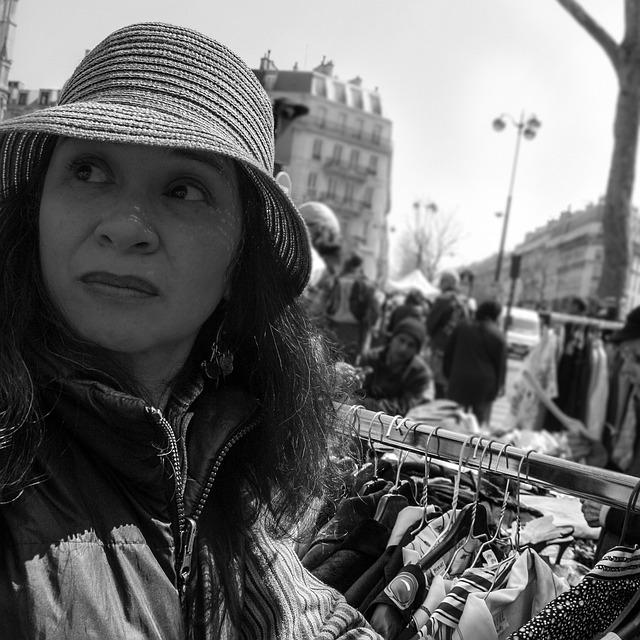
If your idea of a perfect Paris morning involves cradling a warm café crème while rummaging through crates of old postcards, gilded frames, and just-right leather jackets, you’re in the right place. The city’s flea markets are a playground for vintage lovers: part treasure hunt, part open-air museum, and entirely irresistible. From the sprawling labyrinth of Saint-Ouen to the neighborly charm of Vanves, the gritty bargains of Montreuil to pop-up brocantes tucked under leafy boulevards, every market has its own rhythm-and its own secrets.
This guide will help you shop like a local, not a lost tourist. We’ll map out the best markets for different tastes and budgets, share what’s worth snapping up (and what to skip), and give you practical tips on timing, haggling, payment, packing, and shipping your finds home. You’ll learn how to spot quality, how to ask for a better price in friendly French, and where to pause for a pastry when your tote bag gets heavy.
Think of it as your companion for a slower, more sustainable way to experience Paris-one patinated doorknob, silk scarf, or bistro chair at a time. Ready to hunt for treasures with a side of croissant flakes? Let’s begin.
Table of Contents
- Where to Treasure Hunt in Paris Flea Markets: Saint Ouen for antiques, Vanves for small curios, Montreuil for budget finds
- What to Buy and What to Pay: Typical prices for vintage linens, art deco mirrors, mid century ceramics, and how to spot quality
- Bargain With Confidence: Friendly French phrases, cash tips, and the best hours to score deals without the crowds
- Getting It Home and Making a Day of It: Shipping options, VAT basics, metro stops, and nearby cafes to refuel
- Concluding Remarks
Where to Treasure Hunt in Paris Flea Markets: Saint Ouen for antiques, Vanves for small curios, Montreuil for budget finds
Craving a proper rummage? Start north at the colossal Saint‑Ouen, a maze of storied stalls and curated galleries where museum‑worthy armoires, mid‑century lighting, and gilt mirrors wait behind weathered shutters. Slide over to Vanves for a more intimate, open‑air browse-dealers lay out charming odds and ends on trestle tables: enamel signs, bakelite bangles, silver teaspoons, and stacks of sepia postcards. When your wallet begs mercy, Montreuil delivers the thrill of the hunt: rails of vintage workwear, boxes of vinyl, mismatched ceramics, and the occasional designer gem hiding in plain sight.
- Saint‑Ouen (Antique Heaven): Focus on Paul Bert-Serpette for high‑end design, Vernaison for classic alleyway charm, and Dauphine for indoor browsing. Best on weekends late morning to afternoon; arrive early if you’re targeting statement pieces. Metro: Porte de Clignancourt (L4) or Mairie de Saint‑Ouen (L14). Pro tip: Many dealers accept cards, but cash can sweeten negotiations.
- Vanves (Pocket‑Size Curios): Dawn patrol is rewarded-most action happens early Saturday and Sunday. Expect small treasures you can slip into your carry‑on: vintage cameras, linens, medals, hotel silver. Metro: Porte de Vanves (L13) or Tram T3a. Pro tip: Politely ask before handling delicate pieces; dealers appreciate the courtesy.
- Montreuil (Budget Bonanza): A little rough‑and‑ready, wonderfully democratic, and perfect for digging. Bring patience and cash for bundles. Metro: Porte de Montreuil (L9). Pro tip: Haggle with a smile, and inspect for repairs or missing buttons-tiny flaws make for big discounts.
Haggling etiquette: greet, ask, then counter by 10-20% with friendly conviction-humor helps. Pack a foldable tote and bubble wrap; larger buys can be shipped from Saint‑Ouen via specialist services. Most markets are open air: check the forecast, wear comfy shoes, and keep small bills handy. Breaks matter-there are great cafés around Saint‑Ouen for a celebratory croque after you score that industrial lamp. And for peace of mind, keep valuables zipped, ask before photos, and note stall numbers so you can find your way back to that irresistible Art Deco sconce.
What to Buy and What to Pay: Typical prices for vintage linens, art deco mirrors, mid century ceramics, and how to spot quality
Hunting for keepers at Saint-Ouen, Vanves, and Montreuil is easier when you know ballpark figures. Expect friendly haggling (cash helps), and remember condition and provenance swing prices. Typical ranges you’ll see on the ground:
- Vintage linens – napkins €5-15 each (monogrammed/damask €15-40); tablecloths €30-150 (embroidered or hand-laced €90-300); heavy antique linen sheets with hems/monograms €80-220. Full sets command a premium, as do crisp “deadstock” pieces.
- Art Deco mirrors – petite boudoir pieces €80-180; beveled wall mirrors €180-600; scalloped/sunburst frames €350-1,000+. Rare shapes, original bevels, and exceptional frames push values upward.
- Mid‑century ceramics – studio vases/bowls (Vallauris, Accolay) €40-180; signed pieces by noted makers (e.g., Capron) €120-450; top-tier names can soar. Pairs and striking glazes usually price higher.
Spotting quality is part eye, part fingertips. Use these quick cues before you fall in love:
- Linens – seek a dense weave, hand-stitched hems and mitered corners, raised satin-stitch monograms, and even patina. Hold to the light for thinning or old repairs; slight age spots clean, but frayed areas don’t. True flax/linen feels cool and slubby, not slick.
- Art Deco mirrors – authentic glass feels heavy; bevels are crisp and symmetrical. Foxing can be charming, but beware active flaking of the silvering. Frames in solid wood or brass with old screws and a properly aged backboard signal originality.
- Mid‑century ceramics – check for an even “ring” when lightly tapped, a clean footrim with honest wear, and glazes that pool naturally at edges. Favor underglaze signatures or impressed marks; avoid felted bases and overly glossy, uniform “tourist” repros. Fine crazing is okay; long hairlines or overpainted restorations should lower the price.
Bargain With Confidence: Friendly French phrases, cash tips, and the best hours to score deals without the crowds
Charm beats chest-thumping every time. Start with a warm “Bonjour” and a smile, handle pieces gently, and ask questions before talking price. Keep your counteroffers friendly and specific-point out a scratch or missing knob as the reason for a small reduction, not as a critique. If the number isn’t right, say “merci” and take a lap; circling back later can magically soften prices. And remember, cash signals commitment: discreetly showing you have exact notes often unlocks that sweet little discount.
- Bonjour/Bonsoir, je regarde seulement. – Hello, I’m just looking.
- C’est combien, s’il vous plaît ? – How much is it, please?
- Vous pouvez faire un petit prix ? – Could you do a better price?
- Si je prends plusieurs pièces, vous me faites un prix ? – If I take several items, can you make a deal?
- C’est votre meilleur prix ? – Is that your best price?
- Je peux payer en espèces. – I can pay in cash.
- Merci, je vais réfléchir. – Thanks, I’ll think about it.
Timing is everything: the first hour after opening is prime for fresh finds, while the last 30 minutes is the moment for gentle, final markdowns. At Saint-Ouen (Sat-Mon), go early to beat the brunch crowds; at Vanves (Sat-Sun), arrive with the dawn for small treasures and real-deal haggling. Skip peak late-morning Sundays if you hate shoulder-to-shoulder browsing, and don’t underestimate a drizzly day-fewer browsers, better conversations. For money, bring mixed notes (€5/€10/€20) and coins, tuck them in two spots, and avoid flashing big bills. Bundle items, aim for a friendly 10-25% off, and seal success with a smile and “merci.”
- Early = best stock; closing = best prices.
- Carry small bills and a separate coin pouch; large notes can slow the deal.
- Bundle to save: two frames + a lamp often beats one-off haggling.
- Polite counters work better than lowballs; give a reason for your offer.
- Check condition (wobbles, wiring, cracks) and use honest flaws to negotiate.
Getting It Home and Making a Day of It: Shipping options, VAT basics, metro stops, and nearby cafes to refuel
Getting treasures home is easier than it looks when you plan ahead and let the pros help. Most dealers have a favorite shipper-ask for their “expéditeur” and a quick quote on the spot. For smalls, France’s postal service and couriers are reliable; for armoires, mirrors, and lighting, look at blanket‑wrapping or crating with insurance. Keep invoices and snap condition photos before hand‑off. For timing, consolidation shipments can take a few weeks; air freight is faster but pricier. Helpful prompts to use with vendors and shippers include:
- On-site packing: Who packs, and is it blanket-wrap or crate? What’s the coverage for glass or marble?
- Insurance: Is it all-risk and based on purchase price or declared value? Request it in writing.
- Paperwork: Ask for a commercial invoice with descriptions, materials, and dimensions; request the export documents to be handled by the shipper.
- Costs you’ll see: Packing, transport, customs brokerage, and import taxes at destination (quote them upfront).
- VAT basics: France’s VAT is typically 20%. If goods are exported outside the EU by a professional shipper, VAT may be zero‑rated or refunded on the seller’s invoice. Many flea dealers use a margin scheme and can’t issue tourist “détaxe.” If a vendor does offer détaxe for carry‑on goods, you’ll need passport details and to validate the digital PABLO form when you depart.
Make a full day of the hunt by plotting your metro stops and snack breaks like a local. Start early, wear comfy shoes, and carry a foldable tote and bubble wrap for small finds. ATMs can be scarce, so bring some cash alongside a card. Handy waypoints and refuel ideas:
- Les Puces de Saint‑Ouen (Clignancourt): Metro Porte de Clignancourt (L4), Garibaldi (L13), or Mairie de Saint‑Ouen (L14). Espresso bars and counters dot Marché Dauphine; classic bistro vibes and chanson at Chez Louisette in Marché Vernaison; for a sit‑down, cafés line Avenue Michelet and the MOB Hotel area.
- Puces de Vanves: Metro Porte de Vanves (L13) or Didot (Tram T3a). Warm up with crêpes, galettes, and quick coffees along Avenue Marc Sangnier and Avenue Georges Lafenestre; weekend pop‑up stands do tartines and soupe du jour.
- Montreuil Flea: Metro Porte de Montreuil (L9). Refuel at boulangeries and North African grills around the roundabout and Boulevard Davout; plenty of terraces for a restorative café crème before diving back into the vinyl and vintage workwear.
- Little extras: Bring a tape measure; note dealer stall numbers for pickups; and keep valuables cross‑body on busy market lanes, especially near metro exits.
Concluding Remarks
Whether you’re weaving through Saint-Ouen’s labyrinth, catching first light at Vanves, or treasure-hunting at Montreuil, the real souvenir is the story behind what you bring home. Go early, carry cash, bargain with a smile, and let your curiosity set the pace. Leave a little space in your suitcase-and your schedule-for the unexpected.
If you’ve scored a gem (or learned a lesson the hard way), I’d love to hear it. Share your tips and favorite stalls in the comments, or tag me in your Paris haul. Until then, bon chine and happy hunting-may your next flea find be the one you didn’t know you were looking for.
