
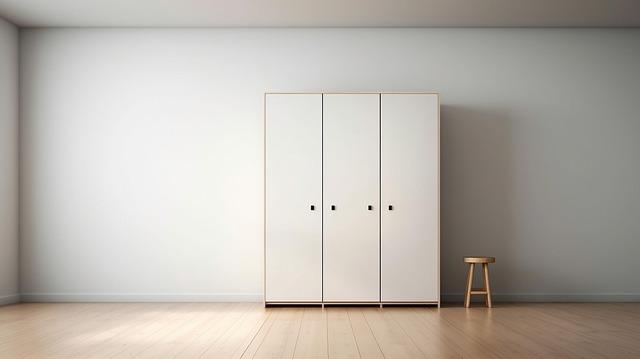
You know that one closet you promise you’ll tackle “next weekend”? Ours finally got its moment. What started as a dusty catchall of mystery boxes, single socks, and slightly shameful hangers has officially transformed into a calm, dreamy wardrobe that actually makes getting dressed feel fun.
In this post, we’re taking you behind the scenes of our closet refresh-how we decluttered with zero guilt, rethought the layout for real-life routines, and added simple upgrades that make a big difference. Think double hanging where it counts, shelves that don’t sag, a few hardworking bins, and lighting that turns “where did that sweater go?” into “oh, there you are.”
We kept the budget in check, mixed in a couple of DIYs, and made sure every choice works for small spaces and big wardrobes alike. Expect honest before-and-afters, sources for the pieces we used, the missteps we learned from, and the quick wins you can knock out in an afternoon.
Ready to go from dusty to dreamy? Let’s open the door.
Table of Contents
- Edit with intention decluttering tactics that actually work
- Smart storage upgrades from adjustable rods to clear bins
- Design a layout that fits your life outfit zones and a weekly reset routine
- Finishing touches lighting scent and labels that keep it dreamy
- Closing Remarks
Edit with intention decluttering tactics that actually work
Begin with a clear vision-choose three words that define how you want this closet to feel (think: “light, edited, effortless”). Stage three catch-all zones: donate, tailor, and resell. Work in focused sprints and touch each piece only once. Ask: Does it fit me today? Do I reach for it without negotiating with myself? Would I buy it again at full price? If it’s a wobble, move it to a dated “quarantine” bin; anything not missed in 30 days exits the wardrobe. Keep your best versions and let the rest go-space is a style amplifier.
- Three-word style filter: Only keep items that match your chosen words; it’s your built-in “no.”
- Outfit-first sorting: Each piece must anchor or complete at least two looks you’d wear this month.
- Dupes audit: Line up duplicates; keep the highest-quality fit and release the runners-up.
- Proximity = priority: Eye-level for daily heroes, top shelves for occasion-only pieces.
- Boundary bins: Label accessories with a capacity cap; when it’s full, something must go.
- One-in/one-out rule: New knit, new jean, new sneaker? Retire an old counterpart immediately.
- Seasonal capsule: Curate a front-and-center set for the next 8-12 weeks; store the rest.
- Tag test: If the tag is still on after two weeks in sight, it wasn’t meant for your life-release it.
Lock in the edit with maintenance that takes minutes, not willpower. Flip hangers backward and only turn them forward after wear; whatever stays backward after a month is an easy goodbye. Color-order to streamline getting dressed and spot gaps. Use velvet hangers for consistency, file-fold knits to prevent shoulder bumps, and keep a pre-packed donation bag on the closet floor for frictionless exits. Add cedar sachets, a fabric shaver, and a tailor’s contact on your phone. Finally, limit your total hanger count-when you’re out, you’re full. That simple boundary keeps your newly dreamy closet blissfully dust-free.
Smart storage upgrades from adjustable rods to clear bins
We kicked chaos to the curb by swapping a single, sagging bar for adjustable rods that flex with our wardrobe. Short stacks of blouses now hover above a second rod for skirts and trousers, while a higher run keeps maxi dresses drift-free. The magic is in creating zones: one for everyday essentials, one for special pieces, and one “in rotation” rail that makes outfit planning a breeze. Slim, uniform hangers add instant polish, and a few well-placed S-hooks turn dead corners into accessory parking.
- Double up under short garments with a second, adjustable rod to unlock hidden vertical space.
- Rod dividers to separate work, weekend, and event wear (goodbye, morning scavenger hunt).
- Slide-on hooks for belts, bags, and necklaces-visual and tangle-free.
- Cascading hangers for denim to compress bulk without creasing.
Then came the clarity coup: clear bins. Transparent sides mean no more mystery boxes-just grab, go, and actually put things back. We stacked handled bins like building blocks, added bold labels for instant wins, and tucked delicate knits into breathable containers. Seasonal swaps are now a five-minute ritual: top shelf for “later,” eye level for “now.” The result? See-through simplicity that keeps every shelf photogenic and functional.
- Stackable bins with handles for scarves, swim, and gym gear-pull like drawers.
- Photo or icon labels so everyone (kids included) knows where things live.
- Shallow under-shelf baskets for clutches and small accessories-no more sliding piles.
- Drawer dividers inside bins to corral socks, tights, and intimates by category.
- Moth-safe, breathable boxes for wool and cashmere-fresh, folded, and snag-free.
Design a layout that fits your life outfit zones and a weekly reset routine
Map your week to your closet like a floor plan. Give prime, eye-level real estate to what you wear most, and push “sometimes” pieces higher or deeper. Divide the hanging rod with slim dividers or color-coded hangers, moving left-to-right in the order you get dressed: base layers, tops, bottoms, third pieces, then accessories. Use shelf dividers to keep knits from avalanching, a low basket for returns/repairs, and a tray for daily jewelry. Designate clear zones so every item has a home and every morning has a script:
- Work/Core: Neutral capsules, suiting, matching sets; blazer hook and a lint roller within reach.
- Movement: Athleisure, sneakers, rolled socks; file-fold leggings in shallow drawers and a grab-and-go gym pouch.
- Off-Duty: Denim stack, soft tees, weekend knits; use shelf dividers and label front edges for sizes/washes.
- Occasion/Statement: Garment bags, heels, “wow” pieces; park up high with a small “try me” rail for rotation.
- Lounge/Sleep: Soft sets and robes at hand height for nightly ease; keep like colors together for quick matching.
- Accessories Command: Belts coiled, scarves rolled, hats nested; shallow trays for watches and everyday jewelry.
Pair that layout with a ritual that keeps it humming. Set a gentle timer (10-15 minutes, Sunday evening works wonders) and run through a quick reset so Monday-you says thank you to Sunday-you. Keep a small caddy with a fabric shaver, steamer, spare buttons, and a tape roller. Tiny, consistent actions beat seasonal overhauls every time:
- Return & relabel: Rehang strays in the right zone; refresh any fallen labels.
- Pre-plan 3 looks: Build outfits on hangers with accessory tags; snap a pic for fast mornings.
- Care touch-ups: De-pill knits, steam the week’s workhorse, refill steamer water.
- Rotate the rail: Pull 3-5 neglected pieces forward; send clear “wear me” cues.
- Laundry cadence: Empty pockets, sort as you go; schedule darks midweek, lights on the weekend.
- One-in/One-out: If something new arrived, retire or donate one similar piece.
- Surface sweep: Wipe shelves, refresh a sachet; keep the space smelling and looking crisp.
Finishing touches lighting scent and labels that keep it dreamy
Lighting is the secret sauce that makes every shelf feel like a boutique. Layer a soft, golden glow so knits look cozy and sequins sparkle (without blinding anyone). If your space allows, tuck slim strips along rails and the underside of shelves; let a subtle toe-kick glow guide sleepy mornings. A small dimmer or motion sensor keeps the mood effortless-open the door, and the closet gently wakes up with you. Think of reflective moments, too: a slender mirror or brushed-metal hooks bounce light and make everything feel airier and more curated.
- Warm LED (2700-3000K): flattering, boutique-level glow for fabrics and skin tones.
- Puck or strip lights: under-shelf and along hanging bars to erase shadows in corners.
- Motion sensors: auto-on magic for drawers or cabinets you open the most.
- Dimmers: adjust brightness for evening wind-down or early AM calm.
- Reflective accents: a narrow mirror or metallic hardware to amplify light without clutter.
Keep the vibe dreamy with a signature scent and labels that whisper “organized,” not “office.” Choose natural notes that suit the season-lavender and cedar in winter, citrus or cotton in summer-and refresh gently so fragrance never overwhelms fabrics. Labels? Go clean and consistent. A simple sans-serif, one color, same placement. Use broad categories at eye level and get more specific as you move down to drawers. With a few smart cues, you’ll find things faster and keep the calm intact.
- Scent strategy: cedar blocks for knits, lavender sachets for delicates, a light linen spray on hangers-not garments.
- Hidden heroes: charcoal sachets to absorb closet odors; replace every 2-3 months.
- Label system: clear bins with high-contrast labels: Tops, Bottoms, Seasonal, Occasion.
- Micro-tags: slim labels inside drawers for socks, tights, scarves-no rummaging.
- Refresh cue: date-dot stickers on scent sachets and a seasonal color dot on labels to know what to rotate next.
Closing Remarks
And that’s the makeover: from dusty catch‑all to a dreamy, feel-good closet that actually works as hard as it looks. It’s amazing how a few thoughtful tweaks-better lighting, matching hangers, clear zones, and a simple donation rhythm-can turn the daily “What do I wear?” into a little moment of calm.
If you’re about to tackle your own refresh, start small and start smart:
– Edit first, organize second
– Group by category and color
– Use vertical space (hello, shelves and hooks)
– Label what you can’t see
– Keep a donation bin within reach
– Set a 10-minute weekly reset
I hope our before-to-after gave you ideas you can steal, tweak, and make your own. If you try any of these tips, tell me how it goes-or drop your biggest closet pain point in the comments and I’ll help brainstorm. Got a genius organizer I should know about? I’m all ears.
Save this post for your next weekend project, share it with a friend who loves a good tidy, and subscribe so you don’t miss the mini updates as we style the shelves and build a capsule that actually fits real life. Here’s to opening your closet and loving what you see.
