
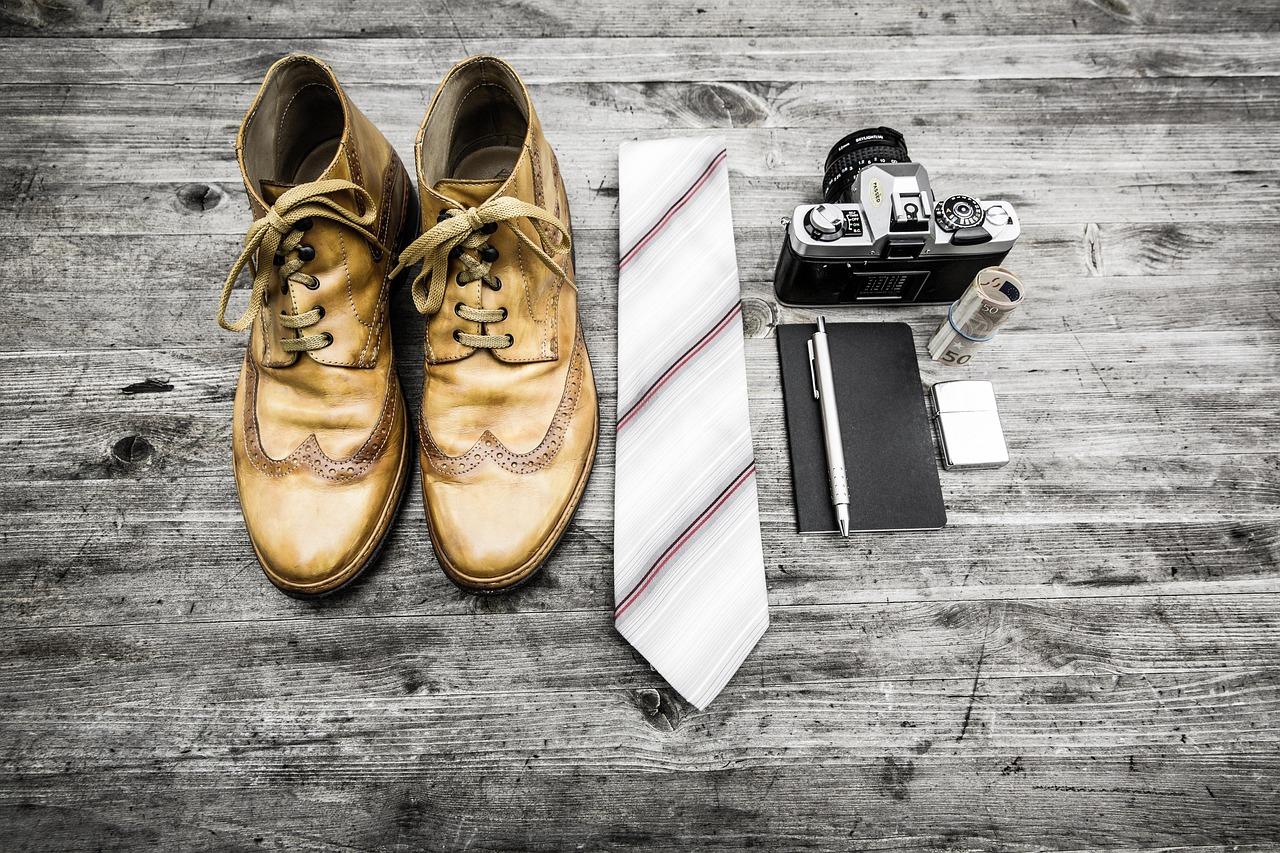
If your closet feels full but your outfits still fall flat, it might be time to look backward to move your style forward. Vintage menswear has a way of cutting through trends and landing on something that just works: better fabrics, thoughtful details, and silhouettes that keep looking good year after year. It’s style with a story-pieces that were built to last and still do.
Why does vintage rock? For starters, the quality is often miles ahead of what you’ll find off the rack today. You get character without trying, sustainability without slogans, and originality without a sky-high price tag. Plus, the best vintage staples are incredibly versatile: dress them up, dress them down, and watch your cost-per-wear hit the floor.
In this guide, we’ll walk through the must-have classics-think rugged denim jackets, crisp Oxfords, tweed sport coats, sturdy boots, and military-inspired outerwear-and show you how to make them feel current, not costume-y. Whether you’re a seasoned thrifter or just curious about adding one standout piece, consider this your friendly roadmap to building a timeless wardrobe that feels like you.
Table of Contents
- The vintage staples to start with Selvedge denim Oxford cloth button downs tweed blazers and penny loafers
- Get the fit right decoding vintage sizing rise and shoulder shape plus simple tailoring wins
- Quality markers to seek single needle stitching horn or corozo buttons and full canvas jackets
- Shop and care smart trusted sources authentication tips and cleaning that preserves patina
- In Conclusion
The vintage staples to start with Selvedge denim Oxford cloth button downs tweed blazers and penny loafers
Build your rotation around four time-tested pieces with real heritage and hard-wearing charm. Focus on texture, weight, and honest construction-the details that age beautifully and tell a story. Whether you’re combing thrift racks or scrolling online, use the cues below to separate future favorites from fast-fashion stand-ins.
- Selvedge denim: Look for a clean selvedge ID on the outseam, chain-stitched hems, and a sturdy twill (12-16 oz). Unsanforized? Expect shrink-to-fit magic. Aim for a mid-rise with room in the thigh and a gentle taper-comfort first, fades later.
- Oxford cloth button-downs (OCBDs): Seek a beefy basketweave, a soft collar roll, locker loop, and box pleat. Mother-of-pearl is nice; durable buttons are fine. Classic colors-white, blue, university stripe-cover 99% of outfits.
- Tweed blazers: Herringbone or Donegal fleck in earthy tones, with natural shoulders and a half-canvas build. Patch pockets feel relaxed; elbow patches add professorial charm. Check for moth nips, lining wear, and clean lapels.
- Penny loafers: Choose full-grain leather and a Goodyear welt for resoling. A snug heel and easy vamp are key. Classic penny or beefroll styles in burgundy or espresso pair with everything from jeans to flannel trousers.
Once you’ve got the core four, mix them with confidence and let patina do the rest. Keep your palette grounded, your fits relaxed, and your maintenance simple-these pieces thrive on regular wear and thoughtful care.
- Go-to combos: Dark selvedge + blue OCBD + cuffed hems + loafers; toss on tweed for instant polish. On colder days, add a chunky knit; in summer, swap to lighter-wash denim or linen trousers.
- Fit moves: Hem jeans with a slight break; blazer sleeves just above the wrist bone to show a hint of cuff; OCBD long enough to tuck, relaxed enough to wear out.
- Care basics: Wash denim infrequently and inside out; air-dry. Brush tweed and rest it between wears. Use cedar shoe trees in loafers and rotate pairs. Press shirts, don’t scorch them.
- Longevity tips: Resole loafers before holes appear, reline blazers if needed, and replace buttons on OCBDs-repairs add character and stretch every dollar.
Get the fit right decoding vintage sizing rise and shoulder shape plus simple tailoring wins
Labels from decades past can be misleading-always trust measurements, not the tagged size. Compare flat-lay numbers to a piece you already love. Pay special attention to rise on trousers (it sets the silhouette) and shoulder shape on jackets (it signals the era). A higher rise reads drapey and classic; mid-rise feels clean and mod. Shoulders tell stories too: natural for Ivy and workwear ease, roped or padded for military bite or 80s punch. Look for clean lines with no collar gap or shoulder divots, and remember vintage fabric can shrink, so confirm actual inches before you buy.
- Shoulders (seam to seam): Fit this first; it’s the hardest to alter.
- Chest (pit to pit): Aim for your best garment’s width plus desired ease.
- Back length: Jacket should cover seat; chore coats can run longer.
- Sleeve length: Cuff should kiss the wrist; show ~0.25″-0.5″ of shirt cuff in tailoring.
- Trouser rise: Measure from crotch seam to waistband; match the vibe you want.
- Thigh, knee, hem: Ensure movement at the thigh; taper later if needed.
The secret sauce is simple, low-risk tailoring that respects the garment’s bones. Size for the shoulders and rise, then finesse the rest. Hemming trousers, nipping a waist, or shortening sleeves from the cuff can transform a find without erasing its character. Preserve original details-patched elbows, pick stitching, selvedge seams-while dialing in comfort. A good alterations pro can deliver a made-for-you feel for far less than bespoke.
- Easy wins: Hem trousers (with a cuff), take in/let out waist, taper legs from the knee, shorten sleeves from the cuff, move buttons for a cleaner stance.
- Proceed with caution: Shoulder surgery, full relines, major chest rebuilds-usually not worth it.
- Fit mantra: Shoulders and rise first; silhouette next; details last.
- Pro tip: Ask sellers for clear flat-lay photos and all measurements; bring a tape measure when thrifting.
Quality markers to seek single needle stitching horn or corozo buttons and full canvas jackets
Craftsmanship hides in the tiniest details. Start with the seams: single-needle construction leaves one neat, razor-straight line with minimal bulk and no telltale twin tracks; turn the piece inside out and you’ll see tidy, consistent seam allowances and clean bar-tacks at stress points. Then check the buttons: genuine horn shows subtle striations and warm, organic variation, while corozo (the “vegetable ivory” nut) reveals a fine, radial grain and mellow, chalky depth-both feel cool to the touch and age with character. Look for a proper thread shank so the button sits proud without biting the cloth, an interior anchor button on heavier coats, and neatly waxed, tight stitching that doesn’t wobble.
- Single-needle clues: one row of stitches, straight as a ruler, with slight pliability and no tunneling or rippling.
- Horn tells: irregular grain, natural color shifts, and a soft luster-not glassy shine.
- Corozo tells: speckled or radial “ring” pattern, dense feel, and matte glow that develops patina.
- Button security: wrapped shank, even tension, and an interior stay button on tailored pieces.
Construction is where tailoring goes from good to heirloom. A full-canvas jacket carries a floating layer of horsehair and canvas from shoulder through the fronts, shaping the chest and letting the lapel roll like a spring. There’s no gluey stiffness, no bubbling, just drape and life. Do the pinch test on the front panels: you should feel cloth, canvas, then lining as distinct layers. Roll the lapel with your fingers-if it swells and snaps back, you’ve found the real deal. The chest should feel alive yet stable, with gentle ripples rather than sheet-like flatness.
- Pinch test: lightly pinch the forepart; three separate layers signal a floating canvas.
- Lapel roll: smooth, S-curved roll that rebounds-not a flat, ironed crease.
- No bubbling: press around the button stance; fused fronts blister over time, canvas does not.
- Handwork hints: fine pick-stitch at edges, soft pad-stitched lapels, and a chest that shapes to you with wear.
Shop and care smart trusted sources authentication tips and cleaning that preserves patina
Hunting the good stuff means buying where accountability lives and verifying details like a tailor. Start with sellers who document condition, measurements, and history, then zoom in on construction cues that fast fashion can’t fake. Use your phone like a loupe-screenshots, zoom, questions-until you’re satisfied you know what you’re getting.
- Trusted sources: Reputable vintage shops with clear grading and a return window; established online dealers with high‑res photos; auction houses with condition reports; community marketplaces using Goods & Services and references.
- Quick authenticity tells: Era‑correct labels and union tags (e.g., ACWA/ACTWU), hardware like Talon/Conmar/Scovill zips and snap backs, single‑needle stitching and chainstitch runoff on hems, proper canvassing in tailoring (pinch test), pattern‑matched pockets, and natural buttons (horn, corozo, shell).
- Fit and provenance: Ask for pit‑to‑pit, shoulders, back length, sleeve, rise, and inseam; request inside‑out shots and close‑ups of wear; confirm odors, repairs, and alterations; save listings for records.
- Red flags: “Fits like” without measurements, suspiciously new hardware on an otherwise aged piece, heavy perfume masking mildew, over‑filtered photos, or vague “deadstock” claims with brittle elastic.
Care is about keeping character while removing grime. Favor the least aggressive method first-brush, air, steam-so creases, fades, and burnished edges keep telling their story. When you must wash, match the method to the fiber and always test in a hidden seam.
- Everyday refresh: A soft garment brush after wear; 24‑hour airing; gentle steaming to release wrinkles and odors; cedar blocks for deterrence.
- Spot clean smart: For wool/silk use enzyme‑free soap (diluted 1:10); for cotton/linen try oxygen‑based cleaner on stains (avoid bleach); blot-don’t rub.
- Denim and workwear: Cold soak inside‑out with a splash of white vinegar, hang dry, wash sparingly to preserve fades and whiskers.
- Leather and suede: Wipe with a barely damp cloth; condition sparingly with neutral cream or microcrystalline wax (avoid heavy oils on dress leather); brush suede dry and use a suede eraser-no water; keep away from heat.
- Knitwear and wool: Hand wash cool with wool wash, reshape, dry flat; de‑pill with a sweater stone; freeze bagged knits overnight to deter moths.
- Storage: Breathable cotton bags (no plastic), wide wooden hangers for coats, fold knits, shoe trees for boots, silica packs near metal hardware, rotate wear to rest fibers.
In Conclusion
If this guide proves anything, it’s that vintage menswear isn’t just about nostalgia-it’s about character, craftsmanship, and pieces that actually get better with time. A well-worn denim jacket, a sturdy pair of brogues, a perfectly broken-in oxford shirt-these aren’t trends; they’re reliable teammates you can style a hundred ways.
Start small if you’re new. Pick one hero piece-maybe a tweed blazer or a trench-and build around it. Fit is everything, so don’t be shy about visiting a tailor. And remember, the hunt is half the fun: thrift shops, consignment stores, flea markets, even your dad’s closet can be goldmines. Care goes a long way too-brush wool, condition leather, resole good shoes.
I’d love to hear from you: what’s your favorite vintage find, and how do you style it? Drop a comment, share a photo, or send your best thrifting tip. If you want more, stick around for upcoming posts on spotting quality at the rack and caring for heritage fabrics.
Here’s to wearing pieces with stories-and making them your own.
