
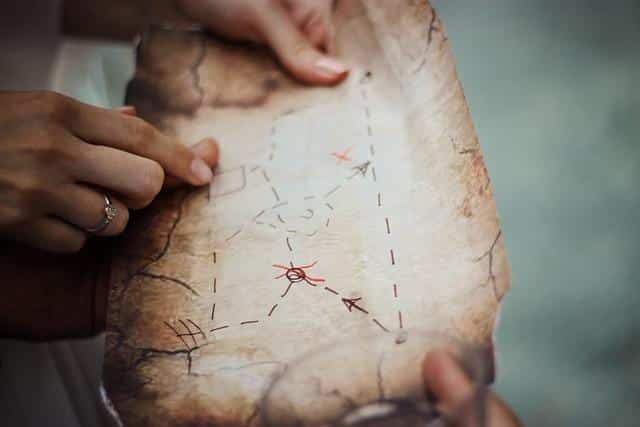
Open a drawer in an old sideboard and suddenly you’re time traveling. A scuffed locket warms in your palm, a vinyl record crackles to life, a postcard blushed with sun-faded ink whispers hello from decades ago. Vintage treasures have a way of tugging on invisible threads, pulling forward the sweetest memories we didn’t even know were still tucked away. Maybe it’s the sugary perfume of your grandmother’s powder, the wobble of a film camera shutter, or the weight of a well-loved cookbook annotated in looping cursive-the past feels close enough to touch.
Why do these objects hit us right in the heart? Part of it is story: their scratches and seams are a map of every hand they’ve passed through. Part of it is the senses: scent, sound, and texture can unlock memories faster than any photo feed ever could. And part of it is the permission they give us to slow down, to notice, to remember who we were when a song first played or a letter first arrived.
In this piece, we’ll wander through the charm of the old and the well-made, explore how tangible things can evoke intangible feelings, and share simple ways to weave nostalgic pieces into modern life. Grab a cup of something warm-let’s go treasure hunting.
Table of Contents
- The science of nostalgia: how vintage textures, scents, and sounds unlock vivid memories
- Where to hunt: smart strategies for flea markets, thrift stores, and estate sales to find meaning rich pieces
- Style with heart: display ideas that turn keepsakes into daily conversation starters
- Preserve the story: gentle cleaning, archival storage, and easy digitizing to protect treasures and tales
- Final Thoughts
The science of nostalgia: how vintage textures, scents, and sounds unlock vivid memories
Why does a scuffed leather handle or the soft pop of a record needle feel like a shortcut to yesterday? It’s because memory is multisensory and your brain is wired for shortcuts. Smell has a direct line to the amygdala and hippocampus, which tag experiences with emotion and context; touch recruits the somatosensory map that remembers how things felt the first time; sound lights up auditory circuits that love familiar patterns. When a cue arrives-say, the vanillin sweetness of an old book-your brain performs pattern completion, filling in missing context with colors, faces, and feelings. That’s why a single cue from a bygone object can pull in a whole scene, complete with the temperature of the room and the song in the background.
- Textures that time-travel: the dry glide of vintage silk, the grain of oak radio cabinets, the warm give of worn denim-tactile cues awaken stored body-maps, making memories feel physically present.
- Scents that unlock stories: old-book aroma (lignin breaking down into vanillin), cedar chests, a whisper of cold cream-olfaction’s fast track to emotion turns faint whiffs into vivid flashbacks.
- Sounds that stitch the past: vinyl crackle, typewriter clacks, a rotary phone’s whirr-imperfect, recognizable patterns spark dopamine-tagged recall, helping your mind reconstruct rooms you haven’t stood in for years.
The magic isn’t just in what these keepsakes are, but in how they’re layered. Pairing a tactile cue with a faint perfume or a familiar melody strengthens sensory binding, making recollections more detailed and durable. Curate small rituals: run your fingers over a linen-bound album while a period playlist hums, or open a cedar-lined drawer as morning light hits your kitchen. By stacking cues with gentle intention-no forced sentimentality, just curiosity and presence-you invite memories to reassemble themselves, alive with texture, scent, and sound.
Where to hunt: smart strategies for flea markets, thrift stores, and estate sales to find meaning rich pieces
Think like a curator with comfy shoes. At open-air stalls, do a fast sweep for “maybes,” then circle back for a slow, tactile pass-run your fingers over patina, peek under tablecloths, and ask vendors for the story behind a piece. Aim for the magic windows: early for rarities, late for deals. Bring a small kit-cash in small bills, measuring tape, a tote, and photos of your space for scale. Let your senses guide you toward memory triggers: a cedar whiff from a jewelry box, the clink of old glass, a linen’s sun-faded edge. When you negotiate, bundle items and lead with curiosity; meaning-rich finds often come from the tales sellers forgot they had.
- Map the terrain: quick scan first, then row-by-row; check under tables and inside boxes marked “misc.”
- Ask origin questions: “Who owned it?” “What room did it live in?” Stories can reveal hidden value.
- Inspect honest wear: consistent edges, hand-stitched hems, maker’s marks, and monograms signal a life well-lived.
- Bundle to bargain: group complementary pieces and offer a friendly, fair number.
- Trust texture: weighty glass, cool ceramic, and soft, washed cotton often outlast fast-fashion lookalikes.
For thrifts and estate sales, play the long game. Learn restock rhythms and tag-color discounts, befriend staff, and revisit often-yesterday’s donation becomes today’s heirloom. Pre-browse estate sale photos, then target memory-rich zones: kitchen drawers (handwritten recipes), bedside tables (inscribed books), sewing rooms (notions and trims). In furniture, open every drawer-look for repairs made with care, not perfection. Meaning emerges in human traces: notes in margins, repair stitches, engraved dates. Before buying, use the “story test”: if it makes you tell a story in ten seconds, it’s a keeper.
- Work the edges: top shelves, bottom racks, end caps, and framed “prints” that might actually be original art.
- Check textiles: look for selvedge, hand-rolled hems, darned patches-proof of love, not damage.
- Bring dimensions: measure doorways and nooks; snap a photo of the space to avoid “almost fits.”
- Verify quietly: discreetly check labels, zippers, and hardware; flip rugs and inspect backs of frames.
- Be ethical: ask before taking family photos or documents; if you buy them, preserve the story you found.
Style with heart: display ideas that turn keepsakes into daily conversation starters
Curate, don’t stash-give your heirlooms a stage and a story. Pair each piece with a tiny tag or handwritten note describing who it belonged to and why it matters, then group items by theme: travel, childhood, courtship, milestones. Blend timeworn textures with clean lines so nothing feels like a museum; think wood against glass, linen next to brass, a splash of greenery to soften edges. Keep arrangements airy and eye-level so guests can linger without feeling like they’re peeking into storage. Try these display moments that feel lived-in and loved:
- Shadow-box vignettes: Layer a ticket stub behind a dried flower and a locket; add a linen backing for warmth.
- Cloche domes on trays: Elevate small watches, brooches, or matchbooks; corral with a vintage silver tray for shine.
- Gallery ledges with rotation: Lean frames, postcards, and pressed photos; swap seasonally to keep the tale unfolding.
- Peg rail storytelling: Hang a letterman jacket, grandma’s apron, or a camera with a ribboned tag-instant conversation starter.
- Letterpress drawers as wall cubbies: Slot in marbles, thimbles, key fobs; let negative space be part of the design.
Make the presentation as tactile as the memory. Use materials that echo origin-nautical rope for seaside relics, map paper for road-trip charms, velvet for wedding keepsakes. Anchor each arrangement with an inviting anchor piece (a mirror, a lamp, a plant) so the display feels woven into daily life, not staged. Edit with intention: if everything is special, nothing stands out. Aim for rhythm-tall next to small, matte beside gloss, round near square-so the eye dances and the stories flow. Steal these styling “recipes” for effortless charm:
- Tea-caddy catchall: Nest rings or cufflinks in teacups atop a stack of dog-eared books; perch on a bedside table.
- Map-backed frame: Mount a compass or train token over the city it came from; add a date on a linen strip.
- Clear risers on a bookcase: Lift a pocket watch or perfume bottle to eye level without visual clutter.
- Suitcase curio: Prop open a vintage case lined with fabric; tuck in concert tees, polaroids, and backstage passes.
- Magnetic mantle strip: Discreet bar under the shelf to pin notes, pressed leaves, and tiny charms that rotate with your mood.
Preserve the story: gentle cleaning, archival storage, and easy digitizing to protect treasures and tales
Handle heirlooms with curiosity and care: a soft brush or microfiber cloth lifts dust without scratching, and a dab of pH‑neutral soap in distilled water can coax away grime-always spot‑test first and keep moisture minimal. Skip harsh polishes and miracle cleaners; they often erase patina and history. Think support over shine: cradle spines, hold frames by the edges, and carry ceramics in a padded tray. When in doubt, do less-gentle attention keeps the fingerprint of time intact.
- Textiles: Vacuum through a clean mesh screen, support seams, and store flat with acid‑free tissue; avoid washing unless colorfast.
- Paper & books: Use acid‑free interleaving, remove paper clips/tape, and keep humidity steady around 35-50%.
- Photos & film: Handle by edges with cotton or nitrile gloves; choose PAT‑tested sleeves and keep out of direct light.
- Metals & jewelry: Dry brush first; if needed, a tiny touch of microcrystalline wax-never toothpaste or abrasive pastes.
- Wood & furniture: Dust dry, avoid silicone polishes, and maintain stable temperature to prevent cracking.
- Vinyl & tapes: Store upright, cool, and away from magnets and sunlight.
- Ceramics & glass: No dishwashers-wash by hand in lukewarm water, one item at a time, over a cushioned sink.
For long‑term safety, lean on museum‑safe storage: acid‑free boxes, buffered tissue for paper (unbuffered for photos, silk, and wool), and labels that won’t bleed. Keep treasures off the floor, away from attics and basements, and add fresh silica gel packs if humidity swings. Then make memories shareable with simple scanning: shoot in soft daylight, use a dark backdrop, capture multiple angles, and record who/where/when in the filename or a notes app. Follow the 3‑2‑1 rule-three copies, two types of storage, one offsite-and link the physical to the digital with a small QR label on the box that opens a shared family album. That way, the story lives in your hands today and in your cloud tomorrow.
Final Thoughts
In the end, vintage treasures aren’t just things-they’re little time machines. A soft cardigan that still smells like your grandparent’s attic, a chipped teacup that hosted a hundred conversations, a mixtape with scribbled hearts on the label. They remind us who we’ve been, who we love, and how the smallest details can hold the biggest feelings.
So the next time you pass a flea market table or open that long-ignored box in the closet, pause. Pick up one piece. Ask it a question. Let the story find you-and maybe write it down, label it, or record a quick voice note for the future you.
I’d love to hear from you: What’s one vintage treasure that unlocks a sweet memory for you? Share it in the comments or tag me in a photo so we can celebrate the stories together. Thanks for reading-and happy treasure hunting.
