
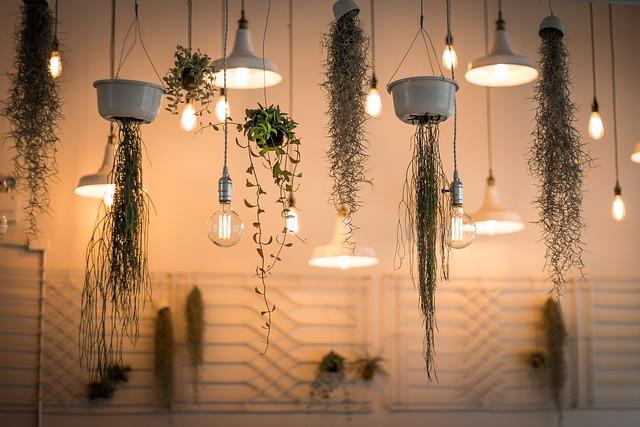
If you’re craving a home that feels collected, not catalog, vintage lighting might be your brightest idea yet. A well-placed brass sconce, a milk-glass pendant, or a moody mid-century floor lamp does more than illuminate-it tells a story, adds patina, and instantly makes a room feel lived-in and loved. Whether you’re into Art Deco glamour, farmhouse charm, or industrial edge, old fixtures have a way of casting warm, flattering light and major character without trying too hard.
In , we’ll explore how to choose pieces that suit your space, mix old and new without clashing, and layer ambient, task, and accent light for that cozy, designer glow. We’ll cover scale and placement (hello, dining table drama), bulb choices for authentic warmth, and simple safety tips for rewiring and mounting. You’ll also find smart places to hunt for treasures-thrift stores, estate sales, and online markets-and a few styling tricks to make your finds feel intentional, not random. Ready to flip the switch on timeless style? Let’s light it up.
Table of Contents
- Find your vintage vibe choosing between art deco glow industrial grit and mid century charm
- Shop with confidence where to buy and how to verify maker marks patina and safe rewiring
- Nail the scale and placement chandelier diameter pendant drop and sconce height guidelines for every room
- Make it shine beautifully layering ambient task and accent light with warm LED bulbs dimmers and gentle smart controls
- In Retrospect
Find your vintage vibe choosing between art deco glow industrial grit and mid century charm
Lighting is the fastest way to set a mood-and vintage styles each tell a different story. Crave a little glamour? Look for bold geometry, luxe finishes, and opaline glass that diffuse a flattering halo. Prefer a tougher edge? Exposed hardware, utilitarian silhouettes, and raw textures celebrate honest materials. Love breezy optimism? Slim profiles, playful forms, and warm wood details keep rooms sunny and effortless. Let the clues-shape, finish, glass, and scale-guide you to the perfect match for your space and personality.
- Art Deco glow: Think stepped profiles, fan motifs, and ribbed or frosted glass. Try polished brass or blackened bronze, sunburst sconces, and torchiere lamps with fluted stems. Use opal globe bulbs at 2700-3000K to keep the light creamy, and echo the glamour with velvet, marble, or mirrored accents.
- Industrial grit: Channel factory-floor charm with caged shades, warehouse pendants, and pipe-arm swing lamps in aged iron, zinc, or weathered brass. Pair amber filament bulbs around 2200K with dimmers for mood and lean into textures like brick, concrete, and well-worn leather to complete the look.
- Mid-century charm: Embrace sputnik chandeliers, saucer pendants, and tripod floor lamps in teak, walnut, matte black, or brushed brass. Choose opal or clear bulbs at 2700K, keep lines clean, and balance with low-slung furniture, tapered legs, and pops of citrus color for that easy, optimistic vibe.
Style it like a pro by layering light: ambient to set the scene, task for function, and accent for drama. Keep a consistent color temperature across a room, repeat one finish twice for cohesion, and watch your proportions-tall ceilings love vertical statements, while small rooms shine with slender silhouettes. Mix, don’t muddle: aim for a 70/20/10 blend of your primary era, a supporting secondary, and a final flourish to keep things fresh.
- Entry: A Deco flush mount or sputnik sets the tone right at the door.
- Kitchen: Industrial pendants over the island; a slim mid-century task lamp on a sideboard.
- Dining: A statement chandelier with dimmable warmth for flattering, evening glow.
- Bedroom: Cone-shade sconces free up nightstands; add a soft, opal-glass table lamp.
- Bath: Ribbed glass vanity lights for glam, or prismatic industrial shades for crisp clarity.
Shop with confidence where to buy and how to verify maker marks patina and safe rewiring
Hunting down the right piece starts with choosing trusted sources and asking the right questions. Seek sellers who share detailed photos of the socket, underside, and hardware, plus any repair history. Favor shops that offer a clear return policy and document provenance, even if it’s as simple as an estate origin. If you’re buying online, compare identical models across listings to gauge fair pricing and originality, and always request a shot of the mounting hardware and canopy to avoid surprises.
- Architectural salvage: Warehouses and reclamation yards often test fixtures and tag known makers.
- Estate auctions: Preview days let you inspect sockets, shades, and wiring in person-bring a small flashlight.
- Specialist dealers: Lighting-focused sellers typically provide period-correct parts and informed restoration notes.
- Vetted online marketplaces: Choose shops with high ratings, abundant photos, and buyer protection.
- Design fairs and antique shows: Great for side-by-side comparisons and negotiating for rewiring before purchase.
Authenticity and safety go hand in hand. Confirm maker’s marks on sockets, bases, or shade rims-look for stamped logos, patent numbers, foil or paper labels, and consistent typography. Assess the patina: natural oxidation, soft wear on touch points, and gradual color shifts beat suspicious, uniform “aging.” For rewiring, don’t shy away from modernized internals; just ensure proper components and workmanship while preserving the exterior character.
- Verify marks: Cross-check stamps against catalog scans; examine letter spacing and placement to spot reproductions.
- Read the patina: Brass that’s too shiny may be overpolished; uneven darkening and gentle scratches suggest honest age.
- Safety checklist: UL-listed 18/2 or 18/3 wire, polarized/grounded plug, ceramic heat-rated sockets, and strain relief at entry points.
- Ask for proof: Request photos of the wiring path, inside the canopy, and receipts or notes on parts used.
- Smart upgrades: Modern cloth-braided cord, 105°C insulation, proper grommets, and LED/dimmer compatibility keep vintage looks with contemporary safety.
Nail the scale and placement chandelier diameter pendant drop and sconce height guidelines for every room
Getting proportions right makes vintage fixtures look bespoke, not bulky. For open rooms, a simple sizing cue is to add your room’s length and width (in feet) to get an ideal chandelier diameter (in inches). Over a table, aim for roughly 1/2-2/3 the table width. Hang centerpieces 30-36 in above a tabletop for 8-9 ft ceilings (add about 3 in per extra foot of ceiling height). In walkways, keep about 7 ft clearance so heirloom brass and crystal feel airy, not hazardous. For kitchen islands, pendants should drop 30-36 in above the counter, spaced 24-30 in apart (or about one pendant diameter), with at least 6 in from each end so the composition breathes.
- Chandelier diameter (open rooms): Length + width (ft) = diameter (in). Example: 12′ x 15′ room → ~27″ fixture.
- Over a table: 1/2-2/3 table width; center the canopy and keep 6-8″ from table edges for round pieces.
- Ceiling height guide: 2.5-3″ of fixture height per foot of ceiling for balanced vertical presence.
- Two-story foyer: Drop so the bottom aligns near the second-floor railing line, with safe clearance below.
- Island pendants: 30-36″ above surface; space 24-30″ apart; use an odd number for vintage symmetry with soul.
Sconces shine when they meet you at eye level and flatter faces, art, and architecture. In bathrooms, place pairs 60-66 in from the floor to the center, 6-8 in from the mirror’s edge; for an above-mirror bar, set the bottom around 75-80 in. In halls and dining rooms, keep centers 60-72 in high and space 6-8 ft apart for a warm gallery glow. For bedside reading, mount the center about 24-30 in above the mattress top (often 48-54 in from floor) with the switch easy to reach. Layer with dimmers so patinaed brass, milk glass, and prismatic shades can shift from sparkle to soft hush.
- Vanity flanking: 60-66″ to center; 6-8″ from mirror edge for shadow-free faces.
- Above-mirror bar: 75-80″ to bottom (or 2-3″ above the mirror) for even wash.
- Hallway/dining walls: 60-72″ to center; 6-8′ between fixtures to avoid scalloping.
- Bedside swing-arms: 24-30″ above mattress edge; aim the shade’s bottom near shoulder height when seated.
- Style tip: When debating size, choose the slightly larger, airier vintage frame-open arms and clear glass read lighter.
Make it shine beautifully layering ambient task and accent light with warm LED bulbs dimmers and gentle smart controls
Think of your vintage-lit room as a small theater: a warm wash sets the mood, focused beams handle the work, and delicate highlights add sparkle. Build your glow from the ground up with soft ambient, add crisp task brightness where you read, cook, or craft, then finish with accent glimmers that flatter textures and heirlooms. Choose warm LED bulbs (2700K-3000K) with CRI 90+ to keep brass, wood, and patina looking rich-filament-style LEDs give the nostalgic look without the heat or flicker.
- Ambient: Linen-shaded floor lamps, milk-glass pendants, and prismatic flush mounts to create a velvety base layer.
- Task: Bankers lamps, articulating sconces, and under-cabinet rails to put light precisely where hands and eyes need it.
- Accent: Picture lights, uplights in corners, and cove strips to silhouette plants, art, and plaster detail.
- Pro tip: Keep color temperature consistent across the room for cohesion; reserve extra-warm (2200K) bulbs for evening coziness.
Once the layers are in place, finesse them with dimmers and gentle smart controls so your home shifts gracefully from sunrise bustle to candlelit calm. Soft fade-ins and scene presets feel luxurious and preserve that vintage charm-no harsh on/off moments, just a whisper-smooth transition. Use smart plugs or in-wall dimmers that support low-watt LEDs, and save a few simple scenes you’ll actually use.
- Everyday scene: Ambient 60%, task 80%, accent 30%-bright, but still flattering.
- Evening unwind: Dim-to-warm LEDs at 2200-2400K, ambient 30%, accents 40% for depth without glare.
- Showcase mode: Ambient 40%, task off, accents 70% to spotlight artwork and vintage finds.
- Comfort cues: Add motion fades in halls and stairwells, and cap max brightness so everything stays buttery-smooth and beautifully balanced.
In Retrospect
From weathered brass sconces to milk-glass pendants, the right vintage light does more than brighten a room-it sets the mood, adds character, and tells your story. Keep playing with layers, balance patina with clean lines, and don’t be afraid to pair old-world charm with modern comforts like dimmers and warm LED filament bulbs.
Hunt slowly, choose pieces you love, and place them with intention. The beauty of vintage is in its soulfulness and sustainability-each fixture has a past, and now it can shape your home’s future.
If this sparked ideas, I’d love to hear them. Drop your questions in the comments, share your favorite thrift or flea market scores, or tag your glow-up photos so we can see your space shine. For more styling tips and room-by-room guides, subscribe and stay tuned. And before you flip the switch on that new-old treasure, have a licensed pro check the wiring.
Here’s to rooms that glow with character.
