
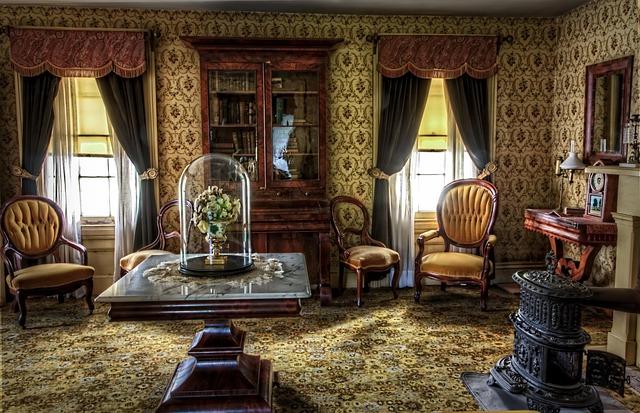
If you’ve ever fallen for a sculptural modern sofa and a timeworn oak dresser in the same afternoon, this guide is for you. Blending vintage furniture with modern decor isn’t about picking a side-it’s about creating a home that feels layered, personal, and effortlessly current. Vintage pieces bring soul, craftsmanship, and stories; modern elements add clean lines, light, and function. Together, they can make a space that’s warm, confident, and uniquely yours.
The trick is balance. How do you mix woods and metals without clashing? Pair patina with polish? Keep a room cohesive when your favorite finds span decades? In this article, we’ll walk through simple, practical ways to make it all work: choosing a modern or vintage anchor, harmonizing color and scale, styling vignettes, and knowing when to edit. You’ll also get tips on where to source the good stuff, what to restore or reupholster, and which details instantly elevate a room.
Ready to turn “eclectic” from chaotic to curated? Let’s blend the best of then and now-no design degree required.
Table of Contents
- Pick a vintage anchor piece and layer in modern support acts
- Create a bridging color palette with shared undertones and repeated accents
- Balance scale and silhouette so classic curves complement clean lines
- Mix materials and textures with intent from timeworn woods to matte metals and crisp textiles
- The Conclusion
Pick a vintage anchor piece and layer in modern support acts
Start by choosing one vintage hero that can carry the room-think a mid-century sideboard, a carved farmhouse table, or a tufted club chair with history. Give it breathing room and place it where eyes land first. Let its silhouette, wood tone, or fabric set your palette, then echo those notes subtly around the space. Aim for contrast over competition: pair ornate details with clean lines, glossy next to matte, warm woods against cool metals. This balance keeps everything feeling curated, not costume-y.
- Commit to one showstopper: let it be the focal point instead of scattering multiple antiques.
- Mind the scale: the piece should fit traffic flow and sightlines, not overwhelm them.
- Patina with purpose: celebrate age marks that add character; repair what compromises function.
- Function first: a beauty you actually use will feel intentional, not staged.
- Palette cue: pull two to three colors/materials from the piece to guide the rest of the room.
Now build a cast of contemporary companions that make the classic star shine. Keep shapes simple and profiles airy-streamlined sofas, slim-legged tables, and sculptural lighting let the vintage form take center stage. Repeat finishes sparingly (a hint of brushed brass in a lamp and frame), layer textures for depth, and leave pockets of negative space so the eye can rest. A 70/30 mix-mostly modern with a dash of heritage-usually hits that easy, lived-in sweet spot.
- Clean-lined seating to offset carved or curvy woodwork.
- Matte black or brushed metal accents for a crisp edge.
- Statement lighting with a contemporary silhouette to bridge eras.
- Abstract art and graphic textiles that lift colors from the vintage piece.
- Glass or acrylic surfaces to lighten visual weight and keep sightlines open.
- Quiet tech (frame-style TVs, smart cord management) that disappears into the design.
- Organic touches like oversized greenery to add freshness and soften the mix.
Create a bridging color palette with shared undertones and repeated accents
Start by hunting for the quiet notes your pieces share-those subtle undertones in wood grain, metals, stone, and textiles. Identify whether your vintage woods lean warm (honey, red-brown) or cool (smoky, gray), then choose a modern wall color or large textile that echoes that temperature. Think of this as your “bridge” hue: a warm greige, mushroom taupe, or inky blue that threads through eras without shouting. Once you’ve picked the bridge, layer one or two companion shades that sit next to it on the color wheel for harmony.
- Warm woods (teak, mahogany) + brass accents → bridge with camel, clay pink, or spiced terracotta.
- Weathered gray oak + chrome/steel → bridge with slate, charcoal, or stormy blue.
- Honey oak + black powder-coated metal → bridge with toffee, mushroom, or warm greige.
To keep the mix cohesive, repeat those bridge and companion colors in small, strategic hits-aim for a 70/20/10 balance where the bridge is dominant, the companion supports, and the accent pops. Scatter the repeats at different heights and textures so the eye “connects the dots” from sofa to sideboard to artwork. Texture counts as color here: matte ceramic, nubby linen, and aged leather soften modern edges and flatter vintage patina.
- Swap in pillow piping or throws in your bridge color for subtle consistency.
- Choose art mats and frame liners in a soft mushroom or warm greige to link eras.
- Stack book spines in your accent shade; repeat it in a tray or candle.
- Echo metal tones with a lamp finial, drawer pulls, or a small bowl.
- Tie the palette together with a rug border that picks up your companion hue.
Balance scale and silhouette so classic curves complement clean lines
Start with a focal point-a vintage piece with presence-and let everything else play supporting roles. A curvy chaise, roll‑arm sofa, or serpentine dresser has visual “softness,” so surround it with furnishings that are slimmer, taller on legs, or glass‑topped to introduce lightness and negative space. Keep an eye on proportion: if one item is ornate or heavy, the neighboring pieces should be simpler and slightly more open so the room feels intentional, not crowded. Echo shapes subtly across the room (in lighting, artwork, or rug motifs) to stitch old and new together without overmatching.
- Anchor: Let one heritage piece (e.g., a camelback settee) ground the scene; keep nearby silhouettes crisp and unfussy.
- Counterbalance: Put a round pedestal table with angular dining chairs, or pair a cabriole‑leg side table with a rectilinear sofa.
- Mind the height: Keep adjacent surfaces within a few inches of each other so lines read as continuous rather than choppy.
- Repeat the curve (lightly): Mirror a vintage curve once-through a dome lamp or arched mirror-then return to straight edges.
- Leave air: Choose pieces with visible legs and slim profiles to offset heavier woods and carvings.
For a simple recipe, aim for 70% streamlined forms and 30% graceful curves, then layer texture to soften transitions-linen, bouclé, or matte metals. A sleek metal console can sit behind a tufted sofa, while a minimalist black frame around artwork quietly repeats linear geometry. Keep finishes consistent (two to three max) so the eye reads harmony: for example, warm brass + walnut + charcoal. The result is a room where the romance of vintage silhouettes feels fresh against modern structure-elegant, edited, and easy to live in.
Mix materials and textures with intent from timeworn woods to matte metals and crisp textiles
Think in layers, not eras. Start by choosing one seasoned element-say, a scuffed oak sideboard or a cane-back chair-as your tactile anchor, then counterbalance its warmth with low-sheen metals, crisp-woven textiles, and a sprinkle of glossy surfaces for light play. Work a spectrum: coarse to smooth, matte to polished, warm to cool. Keep the eye moving by repeating a finish in at least three places-repeat to unify, contrast to energize-and vary scale so a chunky wood grain sits beside a tight linen weave and a soft, felted wool. Your goal is a deliberate chorus of surfaces where patina and precision feel like old friends.
- Weathered oak console + matte black steel frame + undyed linen runner + a single smoked-glass vase.
- Mid-century teak table + brushed brass lamp + ivory bouclé cushions + slate ceramic bowl.
- Chippy-painted vintage chest + powder-coated side chair + crisp cotton pinstripe pillow + clear glass dome.
- Walnut credenza + satin nickel pulls + merino felt runner + ribbed wool throw.
- Rustic pine dining table + stainless candlesticks + leather sling chairs + stoneware plates with a subtle glaze.
Mind proportion and rhythm: let about 60% of the room read as soft and tactile (natural woods, textiles), 30% as smooth and solid (metals, glass), and 10% as an accent with sheen or color. Limit yourself to two metal finishes, echo wood tones across the room, and keep fabrics tailored and breathable-linen, percale, wool blends-so heritage pieces never feel heavy. When in doubt, leave a little negative space around your star material; contrast looks most intentional when every texture has room to breathe.
The Conclusion
And that’s a wrap! Blending vintage furniture with modern decor isn’t about following strict rules-it’s about balance, intention, and a little bit of storytelling. Keep your palette consistent, play up contrast, repeat a few materials or finishes, and let one hero piece lead the room while everything else supports it.
Start small if you’re nervous: swap in a vintage side table, mirror, or chair and pair it with contemporary lighting or art. Collect slowly. The best spaces look layered over time, not assembled in a day, and a little patina only adds personality.
I’d love to see what you create-share your favorite vintage find or a before-and-after in the comments. If this was helpful, save it for later or pass it along to a friend who loves a good thrift hunt. Happy hunting and happy decorating!
