
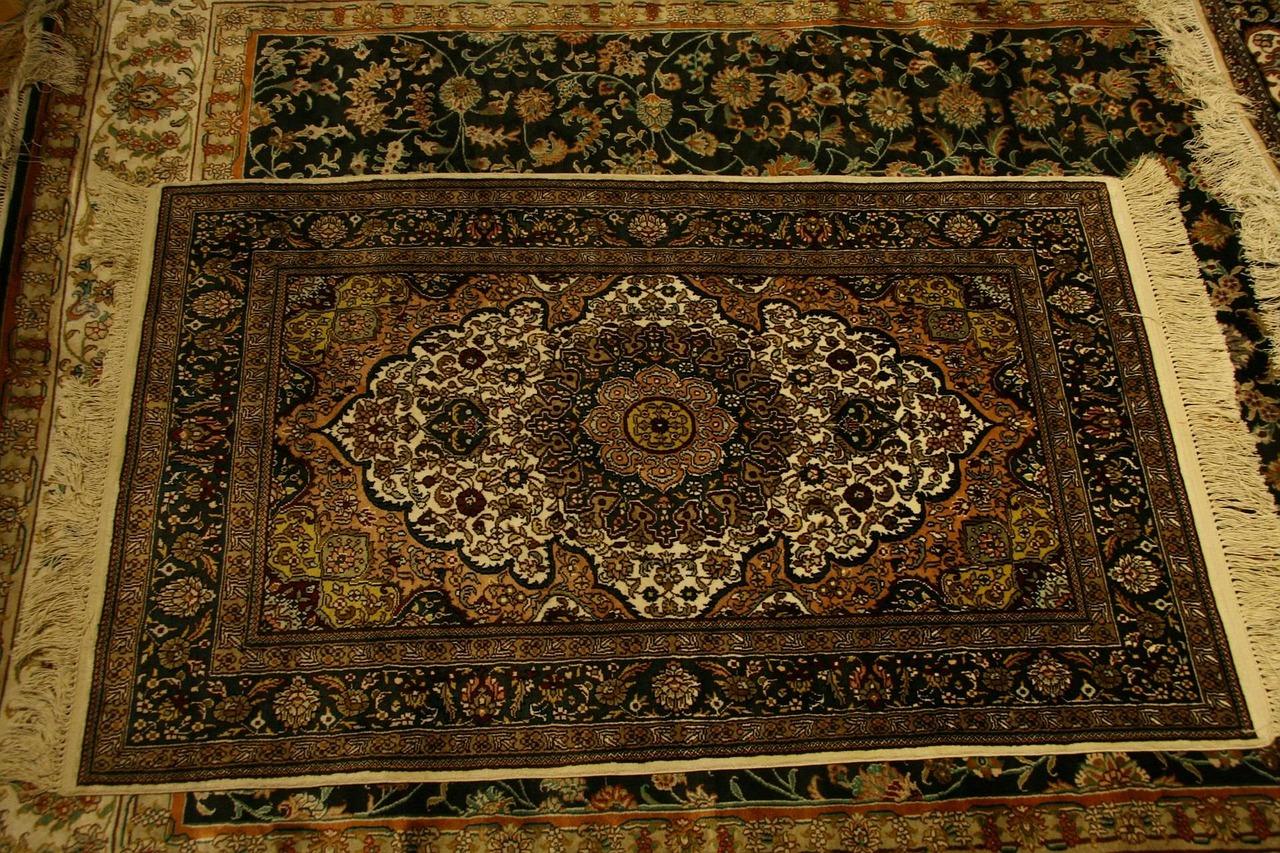
If your rooms feel a little flat, vintage textiles are the fastest way to add warmth, history, and personality-no remodel required. Think a time-softened kilim tossed over the back of a sofa, a hand-stitched kantha layered at the foot of the bed, or a bold suzani turning a blank wall into a conversation starter. These pieces bring depth and soul because they’ve lived a little; the slight fading, handwoven textures, and imperfect stitches tell a story new items can’t.
In this guide, we’ll show you how to style your home with vintage fabrics in a way that feels collected, not cluttered. You’ll learn simple swaps that make a big impact, smart ways to mix patterns and textures, and how to choose colors that play nicely with what you already own. We’ll cover sourcing tips, budget-friendly finds, and how to care for older textiles so they last another lifetime.
Whether your style leans minimalist or maximalist, cottagecore or clean-lined modern, there’s a vintage textile that fits right in. Ready to layer in some charm? Let’s get cozy.
Table of Contents
- Where to find authentic vintage textiles on any budget and what to check before you buy
- Mixing patterns and eras with confidence palettes scale contrast and placement that work
- From fabric to focal point creative ways to upholster frame layer and drape throughout your home
- Care and preservation made simple gentle cleaning moth prevention smart storage and easy repairs
- Wrapping Up
Where to find authentic vintage textiles on any budget and what to check before you buy
Hunting down the real deal doesn’t have to drain your wallet-cast a wide net and mix high-low sources. Focus on places where textiles haven’t been overly picked, and where sellers are motivated to move stock. Set search alerts, carry a tape measure, and keep a small swatch of white cloth in your bag for quick tests. Think in terms of projects, too: “cutter” pieces and fragments can become cushions, runners, or framed art for a fraction of the price of pristine quilts or suzanis.
- Thrift & charity shops: Check linens, curtains, and bins of “damaged” goods; midweek mornings often yield fresh donations.
- Estate sales & garage sales: Linen closets are gold-bundle buys on the last day are budget-friendly.
- Flea markets & car boots: Early for the best, late for the best deals; bring cash and a magnet (to test metal embellishments).
- Online marketplaces (Etsy, eBay, Chairish): Use keywords like “cutter quilt,” “fragment,” “handwoven,” “natural dye,” and filter for auctions ending soon.
- Specialist dealers & textile fairs: Vetted pieces with provenance-join mailing lists for early access and bundle discounts.
- Auction houses: Preview lots, inspect condition notes, and factor in buyer’s premium and shipping before bidding.
- Social drops (Instagram lives, FB groups): Turn on notifications; request close-ups and a video to see drape and sheen.
- Travel finds: Souks, village markets, and kilim shops-ship insured, and check import duties to avoid surprises.
Before money changes hands, slow down and do a quick health check-good bones matter more than perfection. Authenticity isn’t only about age; it’s fiber, weave, dyes, and the story that holds up under questions. If buying online, ask for macro photos, edge shots, and a shot in natural light. If buying in person, handle the textile gently and listen to how it moves-crackly fabric can signal dry rot, while overly slick “silk” may be rayon.
- Condition: Look for fraying, tears, thinning, and dry rot; do a gentle tug test at stress points and check fold lines.
- Odor & pests: Sniff for mildew or smoke; inspect for moth nibbling; quarantine and freeze infested wool before use.
- Dyes & fade: Check for sun-fade and crocking-rub a slightly damp white cloth on a hidden spot to test colorfastness.
- Fiber & weave: Natural fibers show irregular slubs; examine selvedges and stitch types; do burn tests only with permission and on loose threads.
- Repairs & edges: Are repairs sympathetic? Are edges bound or unraveling? Factor the cost of backing or stabilization.
- Scale & use: Confirm measurements; consider shrinkage if wet-cleaned and whether it’s suitable for upholstery vs. light use.
- Authenticity cues: Suzani chain stitches, kantha running stitches, handwoven ikat “bleed,” mudcloth resist patterns-ask for provenance.
- Care & costs: Cleaning method (dry vs. wet), restoration estimates, shipping, and potential customs/duties.
- Ethics & legality: Avoid endangered fibers (e.g., shahtoosh); ask about fair sourcing and community-made pieces.
- Price math: Calculate price per square foot and compare; use protected payments and confirm return policies for online buys.
Mixing patterns and eras with confidence palettes scale contrast and placement that work
Begin with a tight, intentional palette that lets old and new sing together. Choose three core hues-one grounding neutral, one heritage shade pulled from your favorite vintage piece, and one lively accent-and repeat them across the room for instant cohesion. Balance scale by pairing one or two bold, oversized motifs (think suzani medallions or broad kilim stripes) with finer companion prints like pin-dots, ticking, or tiny florals; the mix keeps the eye moving without visual overload. Use contrast smartly: matte nubby linens next to lustrous silk brocade, sun-faded indigo beside crisp optic white. These frictions create depth while honoring the textiles’ stories.
Think of placement as choreography. Let a statement textile take center stage-an antique rug, a tapestry headboard, or a block-printed curtain-then echo a color or motif from it in two or three smaller moments around the room to tie eras together. Position the punchiest pattern where you want the gaze to land, and give it breathing room with solids or near-solids. If you’re blending decades (Art Deco geometrics with 70s boho, for instance), keep a throughline-color temperature, motif family, or fabric hand-so the dialogue feels intentional rather than random.
- Palette cheat: 60% calm base, 30% heritage hue, 10% high-energy accent.
- Scale mix: 1 large hero pattern + 2 medium companions + a sprinkle of micro prints.
- Contrast cues: rough vs. smooth, matte vs. sheen, faded vs. saturated.
- Placement recipe: anchor piece first, echo colors twice, add one quiet buffer between bolds.
- Test drive: style a “textile stack” on the sofa or bed and snap a photo; adjust until the rhythm feels balanced.
From fabric to focal point creative ways to upholster frame layer and drape throughout your home
Turn storied cloth into statement surfaces by reimagining where it lives: reupholster a petite slipper chair in a timeworn kilim, slip a piano bench with grain-sack ticking, pad a headboard in vintage kantha, or wrap a drum shade with embroidered linen. Small-scale projects preserve delicate fibers while letting their patina shine, and framing offcuts transforms scraps into instant gallery pieces-think float-mounted samplers, a grid of indigo patches, or a bold suzani centered like a tapestry. Balance the romance with tailored silhouettes and solid neutrals so each motif feels intentional, not busy, and let one hero textile set the room’s color cues.
- Seat refresh: T-strap cushions in antique ticking for dining chairs; removable for easy care.
- Headboard moment: Staple a textile to thin batting and plywood, then French-cleat it for a luxe, reversible look.
- Lampshade wrap: Hand-stitch vintage linen to a shade liner; keep seams minimal to showcase the weave.
- Frame it right: Float-mount under UV acrylic with a linen mat to protect dyes and threads.
- Behind glass: Line cabinet backs with fabric-wrapped foam core for color without commitment.
Layer and drape with intention to guide the eye: stack textures (nubby wool, crisp homespun, whispery silk) within a shared palette, echo one motif across zones, and mix scales so patterns harmonize. Use reversible, non-permanent methods-Velcro strips, upholstery twist pins cushioned with twill tape, museum pins, tension rods-and keep textiles out of harsh sun. When in doubt, let solids frame the vintage star, and repeat a hue at least three times in the room for cohesion.
- Rug-on-rug: Float a narrow runner over sisal to create a “textile runway” leading to a focal vignette.
- Soft partitions: Hang a sari or suzani on a tension rod in a doorway for a breezy, color-soaked screen.
- Shelf styling: Back open shelves with basted patchwork; swap seasonally for a quick refresh.
- Console drape: Let an indigo boro cloth puddle slightly on a console for depth and tonal richness.
- Cushion couture: Tie-on covers from antique napkins add pattern play without permanent sewing.
Care and preservation made simple gentle cleaning moth prevention smart storage and easy repairs
Keep fabrics fresh without fuss by opting for the lightest touch. Start with a soft-bristle brush or upholstery nozzle to lift dust, then spot-clean with cool water, pH-neutral soap, and a white cloth-always test a hidden corner first. Sun can fade natural dyes, so dry flat in the shade and skip the dryer. For odor refresh, try a short steam from a distance or a gentle overnight air-out. When insects are a concern, think prevention, not panic-natural deterrents are your first line of defense.
- Dry-clean sparingly: Choose a cleaner experienced with antique fibers and natural dyes.
- Vacuum low and slow: Use low suction through a mesh screen to avoid pulling threads.
- Moth deterrents: Cedar, lavender, and airtight rotation; freeze infested items in sealed bags for 72 hours.
- Sun smarts: Rotate displays to prevent uneven fading near windows.
Store and mend with intention so your finds age gracefully. Avoid plastic bins that trap moisture; instead, use breathable cotton bags or pillowcases and line shelves with acid-free tissue. Roll fragile pieces like lace runners around acid-free tubes to prevent crease memory, and cushion folds with tissue where rolling isn’t possible. For small flaws, stitch before they stretch-subtle, supportive repairs preserve beauty and value.
- Smart storage: Cool, dry, dark; add silica gel packets and refresh cedar regularly.
- Layer wisely: Place a cotton liner between vintage and modern textiles to reduce friction and dye transfer.
- Quick fixes: Darn tiny holes, couch loose threads, and use sheer silk organza patches on delicate areas.
- Call in a pro: For large tears or rare pieces, consult a textile conservator for invisible mending.
Wrapping Up
Vintage textiles have a way of softening rooms and sharpening stories. Whether it’s a faded quilt at the end of the bed, a kilim runner in the hallway, or a stack of block-printed napkins on the table, these pieces add warmth, character, and a sense of history you can’t fake.
If you’re feeling inspired, start small and let one textile lead the way. Trust your eye, embrace a little patina, and mix textures and eras until it feels like you. Above all, let your home evolve-layer by layer-just like the fabrics themselves.
Try this next:
– Pick one “textile moment” to tackle this week: a pillow refresh, a new table runner, or a layered throw.
– Make a simple swatch stack from pieces you own to guide future finds.
– Schedule a quick mend or clean to give a tired favorite a second life.
I’d love to see how you’re styling your vintage finds. Share your photos or tips in the comments, and tag me if you post on social. If you enjoyed this, subscribe for more room-by-room ideas and sourcing guides. Happy hunting-and happy layering!
