
If you’ve ever fallen for a sleek walnut credenza or a sputnik chandelier, you already know the allure of mid-century modern. But loving the look doesn’t mean you have to turn your home into a time capsule. The magic happens when you blend those clean lines, warm woods, and sculptural shapes with the pieces you already own, creating a space that feels stylish, lived-in, and uniquely you.
In this guide, we’ll show you how to weave mid-century elements into your existing decor-whether you lean cozy farmhouse, eclectic boho, or classic traditional. Think of it as layering: a tapered-leg chair here, a pop of mustard or teal there, maybe some brass, boucle, or graphic art to tie it all together. We’ll cover what to buy first, how to balance old and new, and the little styling moves that make the whole room click without feeling “themed.”
Ready to mix, not match? Let’s dive into making mid-century modern work beautifully in your home.
Table of Contents
- Start with one iconic mid century modern piece such as a walnut credenza or low profile sofa
- Set the palette warm woods soft neutrals and two accent colors like teal and mustard
- Mix materials with intention combine teak and brass with linen wool and matte black
- Finish with lighting and art use globe pendants tripod lamps and bold geometric prints
- Closing Remarks
Start with one iconic mid century modern piece such as a walnut credenza or low profile sofa
Pick a hero piece-the kind that quietly commands the room-like a walnut credenza with clean, horizontal lines or a low-profile sofa on tapered legs. Let its silhouette, wood tone, and scale set the mood, then echo those cues in softer ways around the room. Keep surrounding items visually lighter so the star can breathe: think open bases, airy textiles, and rounded edges to balance all those straight lines. Resist buying a full matching set; measured contrast is what makes the mix feel curated rather than themed.
From there, layer with intention: build a simple palette (one wood tone, two neutrals, one accent), repeat materials three times, and vary height so the eye moves. Add era-friendly lighting and art without turning your space into a time capsule, and pepper in personal, contemporary pieces for warmth and life. Use the 70/20/10 rule-about 70% current basics, 20% mid-century signatures, 10% playful surprises-so the look feels relaxed and lived-in.
- Tone match, don’t clone: Walnut plays well with matte black, aged brass, and cream; avoid too many competing wood species.
- Counter the low lines: If the sofa sits low, add verticals-an arc floor lamp, tall plant, or a sculptural pendant.
- Texture is your bridge: Bouclé, linen, and saddle leather connect eras while softening the room.
- Curve the corners: A round coffee table or drum side table keeps traffic flowing and offsets angular case goods.
- Hide the modern clutter: Use the credenza for routers and cords; add trays inside for tidy tech.
- Repeat, then rest: Echo the hero piece’s finish in 2-3 spots (frame, lamp base, chair legs) and stop before it feels matchy.
Set the palette warm woods soft neutrals and two accent colors like teal and mustard
Anchor your Mid-Century modern mix with rich wood tones-think walnut, teak, or honey oak-then calm the eye with soft neutrals like ivory, greige, and stone. From sofas and rugs to drapery, let these quieter hues carry the largest surfaces so the architecture and clean lines shine. Introduce a confident accent duo-teal and mustard-on movable pieces for a lively, era-appropriate pop. Aim for a balanced palette ratio such as 70/20/10 (neutrals/woods/accents), and round it out with matte black or antique brass details to echo classic silhouettes without overwhelming the room.
- Start with wood: a walnut credenza, teak side tables, or a warm oak coffee table.
- Keep the base quiet: a creamy sofa, textured bouclé chair, and a low-contrast rug.
- Add teal: a ceramic lamp, glazed planter, or abstract art with saturated teal strokes.
- Splash mustard: velvet pillows, a throw, or a small ottoman for golden warmth.
- Metal moments: slim brass pulls, a sputnik-style light, or black tapered legs.
- Pattern control: subtly geometric weaves that whisper, not shout.
For a cohesive finish, repeat each accent at least three times across the room so the color story feels intentional, not random. Balance temperature-teal cools the palette while mustard brings sunlit warmth-and keep lighting at a cozy 2700-3000K to flatter wood grain. Maintain negative space around hero pieces, vary textures (linen, leather, bouclé) and sheens (matte wood, soft-wash paint, low-gloss ceramics), and let walls stay neutral so artwork and accessories carry the color conversation. If you crave a bolder statement, paint the back of a bookcase teal and echo it with a mustard vase and patterned cushion-crisp, collected, and unmistakably mid-century.
Mix materials with intention combine teak and brass with linen wool and matte black
Layer warmth, glow, softness, and edge so each finish has a role. Let richly grained teak be the anchor, introduce a touch of gleam with brass, soften the scene with breathable linen and cozy wool, then punctuate with matte black for crisp definition. Aim for a 60/30/10 balance-wood as the majority, textiles and metal as supporting players, black as the accent. Keep sheens varied (oiled wood, brushed brass, open-weave linen) to prevent a flat, matchy display, and invite patina where it makes sense so the room feels lived-in, not laminated.
- Teak console + matte-black hardware: warm grain grounded by a sharp silhouette.
- Brass arc lamp + linen shade: a soft halo that flatters wood tones.
- Wool flatweave rug: low profile texture that frames the furniture without stealing focus.
- Matte-black picture frames + brass tray: graphic lines with a hint of shine on the surface.
- Teak dining table + linen runners + brass candlesticks: everyday sculpture with tactile comfort.
Make the mix feel intentional through repetition and restraint. Echo each material at least three times around the room-legs, lighting, and a catchall in brass; chair frames, a sideboard, and a tray in teak-while keeping silhouettes clean to honor mid-century lines. Let matte black read like punctuation marks at sightlines, use warm 2700-3000K bulbs to flatter teak and brass, and mind undertones so linen/wool skew warm rather than blue-gray. The goal is contrast you can feel: sleek against nubby, luminous against matte, with negative space to let each detail breathe.
- Rule of threes: repeat each finish in three places for cohesion.
- Contrast map: pair smooth teak with nubby wool; brushed brass beside matte black.
- Undertone check: choose warm neutrals so metals and wood don’t clash.
- Patina plan: embrace aged brass; keep black powder-coated for crispness.
- Edit often: remove one piece before you finish-clarity is the luxury.
Finish with lighting and art use globe pendants tripod lamps and bold geometric prints
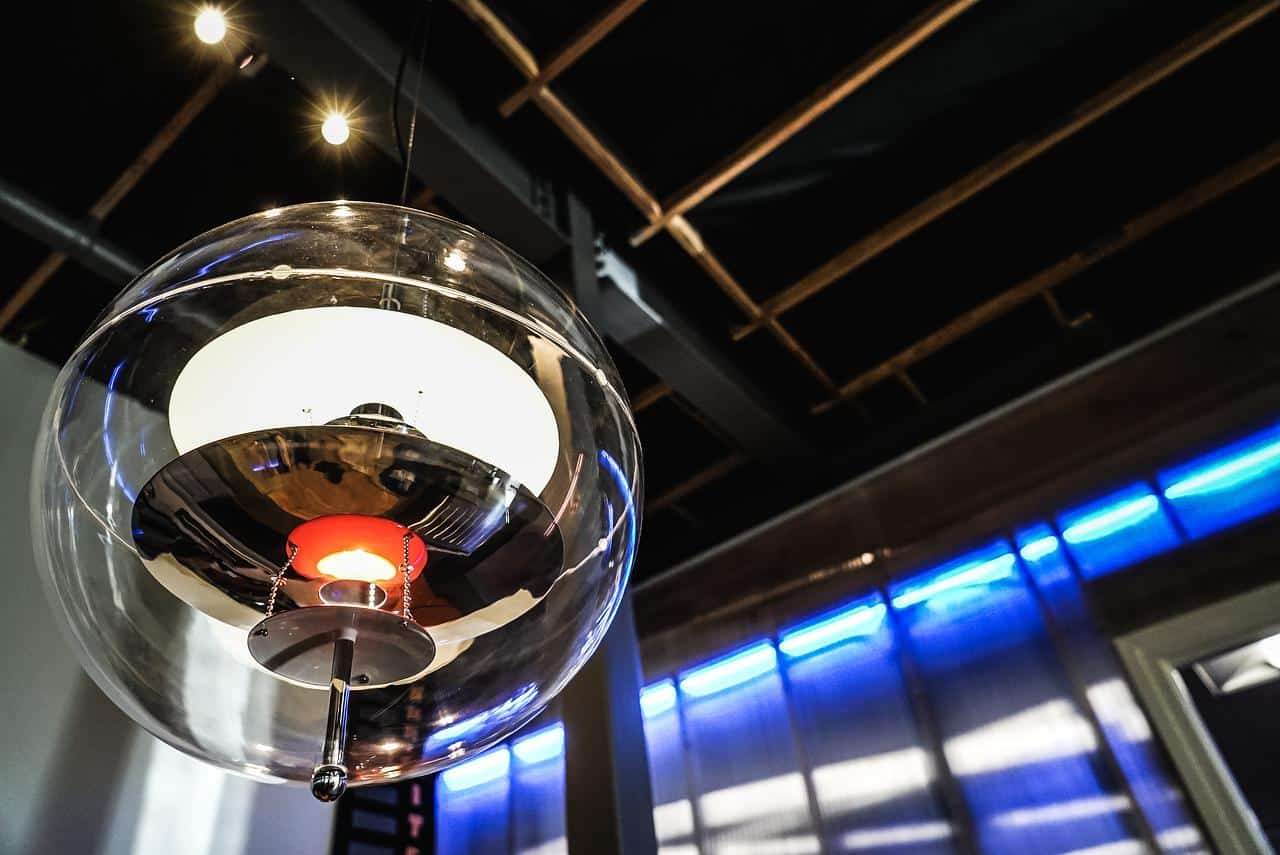
Layer your glow like a pro by combining sculptural fixtures that celebrate clean lines and warm materials. Orb-shaped pendants deliver that signature diffused shimmer-think opal or smoked glass with brass or matte black hardware-while a lean tripod floor lamp adds height and a confident silhouette beside a low-slung sofa. Aim for dimmable, frosted LEDs to soften edges, and play with negative space: a single statement pendant, or a cluster in odd numbers, keeps the room airy yet intentional. Let the metal finishes echo your hardware and the wood tones nod to walnut or teak for a quietly cohesive finish.
- Choose globe pendants with opal/smoked glass; brass, black, or walnut accents ground the look.
- Hang over tables at roughly 28-34 inches; cluster 3 or 5 at staggered drops for depth.
- Park a tripod lamp by a reading chair; linen drum shade, 2700-3000K bulb, and a dimmer for mood shifts.
- Balance ambient with a small saucer or mushroom lamp on a credenza for a low, cozy layer.
- Tidy cables with braided fabric cords or paintable covers that blend into the wall.
For art, go graphic and confident. Bold geometric prints-chevrons, concentric circles, hard-edge blocks-bring rhythm and repetition that sync with the furniture’s tapered legs and streamlined profiles. Keep palettes tight (two to three hues plus a neutral), frame with slim wood or black metal, and let generous white mats give room to breathe. Reflect the forms in your lighting: circular motifs echo globe pendants; angular patterns complement tripod legs. Overscale pieces anchor a wall, while smaller studies create cadence without visual clutter.
- Lead with one high-contrast hero print, then support it with quieter studies in related shapes.
- Use thin frames and white mats; consistent spacing (about 2-3 inches) creates gallery crispness.
- Arrange art at eye level; over a sofa, span roughly two-thirds of its width for balance.
- Mirror shapes from fixtures-circles with orbs, triangles with tripod silhouettes-for subtle harmony.
- Repeat one accent color from rugs or cushions to stitch the whole palette together.
Closing Remarks
Bringing mid-century modern into your home isn’t about recreating a perfectly preserved time capsule-it’s about layering timeless shapes, warm woods, and playful accents into the life you already live. Start small, trust your eye, and let a few well-chosen pieces do the heavy lifting. When the proportions feel balanced and the textures feel cozy, you’ll know you got it right.
Ready to try it? Swap in a sculptural lamp, add a walnut side table, or reupholster a favorite chair in a textured neutral. Mix in your heirlooms, travel finds, and quirky art so it still feels like you. Your space should tell your story-with a few tapered legs and a pop of brass for good measure.
I’d love to hear how you’re blending styles. What’s your favorite mid-century piece, or which room are you tackling first? Share in the comments, and don’t forget to save this for later or send it to a friend who’s MCM-curious. Your home, your rules-just with better legs.
