
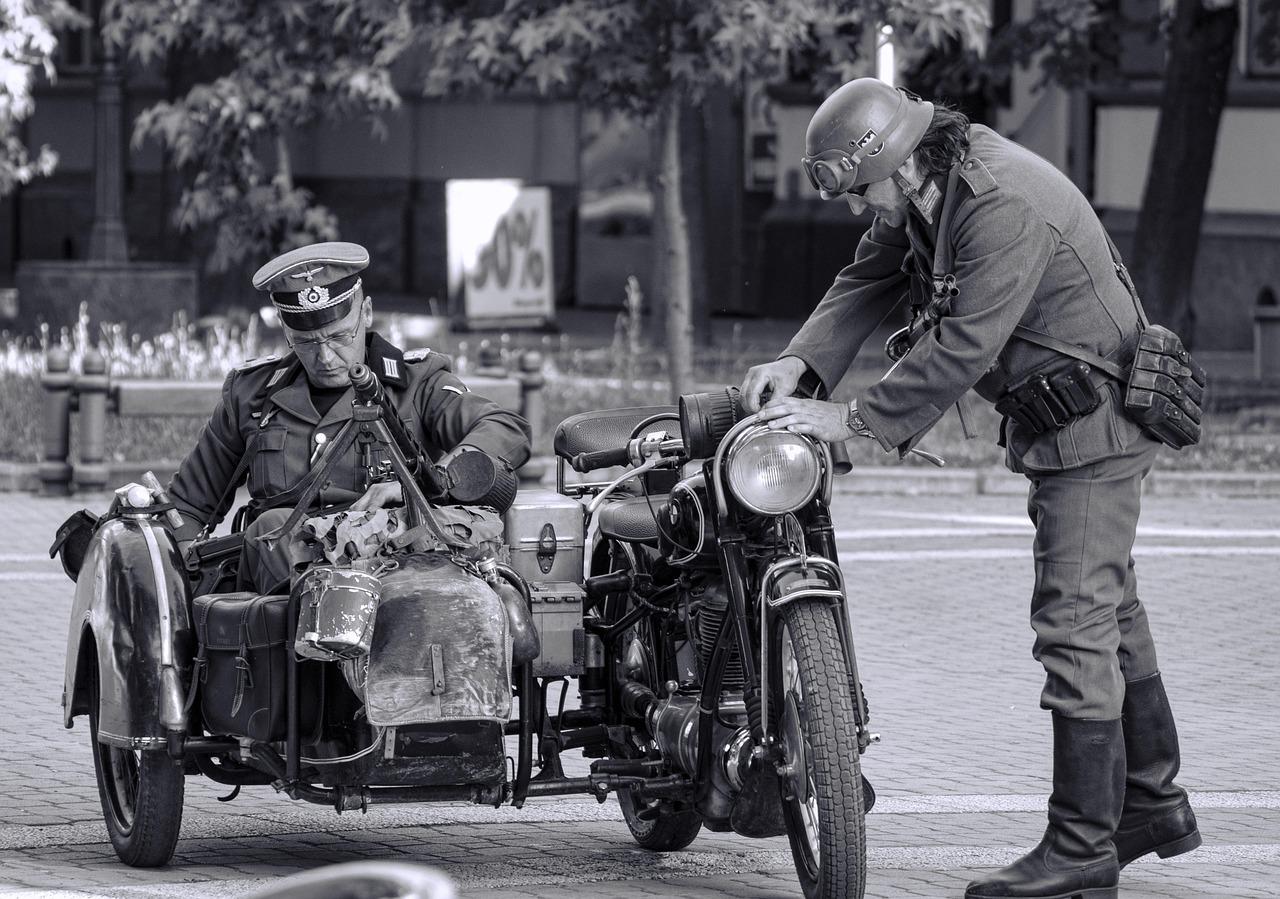
Ever looked at a World War II photo and wondered what those jackets, helmets, or patches actually meant? The uniforms of WWII weren’t just clothes-they were a blend of engineering, identity, and survival. From wool greatcoats trudging through snow to tropical khaki in the Pacific, every stitch tells a story about the people who wore them and the challenges they faced.
In this friendly guide, we’ll unpack the why behind the what: why American GIs loved their field jackets, why British battledress looked so trim, why German uniforms varied so much, and how the Soviets balanced rugged simplicity with sheer scale. We’ll explore materials, colors, insignia, climate adaptations, women’s service uniforms, and the small improvisations that made life at the front a little more bearable.
Think of this as your easy on-ramp to a complex topic-no gatekeeping, no jargon without translation, and plenty of practical tips for spotting differences in photos, films, or museum displays. Along the way, we’ll bust a few myths and show how WWII gear influenced modern outdoor clothing and design.
Most importantly, we’ll approach these uniforms with respect for the history-and the people-behind them. Grab a coffee, and let’s step into the stories sewn into seams, buttons, and boots.
Table of Contents
- How materials and shortages shaped Allied and Axis uniforms
- Decoding insignia patches and rank so you can read wartime photos
- Field gear and layering tips to recreate an authentic impression on a budget
- Caring for originals and choosing ethical reproductions with fit and fabric checks
- Closing Remarks
How materials and shortages shaped Allied and Axis uniforms
Supply chains stitched the story as much as needles did. Industrial capacity, access to raw fibers, and wartime blockades pushed each nation toward distinctive fabric choices. The Allies, with broader manufacturing bases and Lend-Lease pipelines, leaned on durable cottons and standardized wool blends; the Axis powers, squeezed by embargoes and resource scarcity, increasingly turned to ersatz fibers, lower-grade wool, and simplified cuts to stretch dwindling stock. Dye shortages even tinted the battlefield: khaki, field-grey, and olive drab shifted shade-by-shade as mills swapped formulas, while tropical theaters demanded lighter weaves that could actually breathe under punishing suns.
- United States: Hard-wearing HBT cotton fatigues, plentiful wool for dress and field, and robust dye supplies kept colors relatively consistent.
- United Kingdom & Commonwealth: Wool serge battledress gave way to “austerity” patterns with fewer pleats and simplified pockets, plus lighter drill for the desert.
- Soviet Union: Coarse cottons and plain weaves favored speed; quilted layers appeared as winters bit and high-grade wool ran short.
- Germany: Early fine wool and tailored lines shifted to reprocessed fibers, mixed weaves, and late-war cloth that felt rougher to the touch.
- Italy & Japan: Lightweight uniforms for hot climates were common, but shortages meant inconsistent fabric weights and frequent repairs in the field.
Hardware told the same tale. Brass and leather were wartime luxuries, so buttons morphed from metal to bone, wood, or Bakelite; boots and belts saw thinner leather, canvas substitutions, and more patches than pride would prefer. Cold-weather gear-parkas, quilted liners, felt boots-appeared where winter ruled, while economy cuts trimmed flaps, removed pleats, and standardized sizes. Even camo was partly a materials story: printing complex patterns demanded dye, time, and coordination that some armies could afford and others simply couldn’t.
- US/UK: Reliable access to cotton webbing meant sturdy web gear; metal conserved for munitions pushed small fittings toward simpler finishes.
- Germany: The M43 field tunic epitomized simplification-fewer luxuries, more function, cheaper cloth.
- USSR: Telogreika (quilted jackets) and valenki (felt boots) maximized warmth with modest materials.
- Italy: The Sahariana in the desert used lighter cottons; late-war shortages led to uneven dye lots and mixed hardware.
- Japan: Canvas gaiters, lightweight drills, and expedient closures reflected tight supply lines across vast distances.
Decoding insignia patches and rank so you can read wartime photos
When you’re staring at a grainy snapshot from 1944, start by scanning from top to bottom. Headgear often gives the first clue: a garrison cap with colored piping, a beret with a metal badge, or a visor cap with distinct trim can narrow the branch and nation fast. Next, check the shoulders and upper arms for unit patches or shoulder boards, then the sleeves for chevrons, rockers, or specialty marks. On the chest, look for wings, ribbons, and qualification badges; down near the cuffs, service stripes and overseas bars can hint at time served. Lighting, mud, and theater-made insignia can distort details-so use multiple tells together rather than relying on a single patch.
- U.S. Army: Shoulder sleeve insignia for division/corps; enlisted chevrons pointing up (e.g., CPL 2 chevrons; SGT 3; SSG 3 + 1 rocker; T/4 or T/5 adds a big “T”). Officers wear bars/leaves/eagles on shoulders; branch devices (crossed rifles, cannons, castle, caduceus) on lapels.
- U.S. Navy: On dress blues, rate badges on the left sleeve: an eagle over chevrons with a specialty mark (e.g., signal flags, propeller). Officers show gold cuff stripes; aviators wear gold wings on the chest.
- U.S. Marine Corps: Enlisted chevrons include crossed rifles at center; look for the Eagle, Globe, and Anchor on caps and buttons.
- British/Commonwealth: Officers use crowns and “pips” on shoulders; NCO chevrons on sleeves. Distinctive formation signs on upper arms and trade badges near cuffs; RAF aircrew wear brevets (pilot’s single winged badge with letters).
- German Wehrmacht/SS: Collar tabs show branch/rank style; shoulder boards indicate rank; Waffenfarbe piping colors the branch (e.g., white infantry, red artillery). The eagle appears on chest; some units have cuff titles. Sleeve angle chevrons mark junior ranks (e.g., Gefreiter).
- Soviet Red Army: Early-war collar tabs, later shoulder boards; large red star on caps/helmets; simple chest layout with few badges early on, more awards visible later.
To pull the story together, read combinations. A screaming eagle patch plus three chevrons and a rocker likely means a U.S. Airborne staff sergeant; add a row of ribbons with an ETO ribbon sporting bronze stars, and you’re seeing campaign participation. A Navy sleeve with an eagle, two chevrons, and a signalman’s flags tells you the petty officer’s specialty; gold cuff stripes signal commissioned status. British shoulders with one crown and one pip identify a major, while an RAF chest brevet reveals crew role at a glance. German Litzen on the collar with white piping, plus shoulder boards without elaborate braid, suggests a junior infantry NCO; cuff titles can pinpoint elite units. Finally, remember context: theater-made insignia, field blouses worn without insignia, and mixed gear were common. Cross-check uniforms with known unit locations, vehicle markings, and even seasonal kit to confirm what the patches and ranks are telling you.
Field gear and layering tips to recreate an authentic impression on a budget
Layer for function first, then finesse. Start with breathable naturals-think cotton or linen undershirt and long drawers for a base, add a mid-layer like a thrifted wool shirt or sweater, then top with an olive or khaki jacket to echo M41 or HBT silhouettes. Focus on texture and drape: wool looks period, cotton twill reads “field,” and muted shades (OD green, khaki, brown) keep the palette authentic. A slightly roomy fit feels right for 1940s kit and leaves space for cold-weather swaps. Lightly distressing is fine-sun, air, and gentle wear-but skip harsh abrasives and chemicals that damage fibers or create an overdone costume look.
- Base: Plain cotton undershirt (off‑white or OD) + cotton/linen long johns in cool weather.
- Mid: Thrifted wool flannel or cardigan; roll cuffs and keep collars simple.
- Outer: Olive M65 or canvas chore coat as a stand‑in for combat jackets; remove modern logos.
- Head/hands: Knit watch cap or simple field cap; wool gloves or leather work gloves, unbranded.
- Feet: Two pairs of wool socks; lace work boots with flat/cotton laces to mimic period feel.
Prioritize impact pieces you see in every photo: headgear, web gear silhouette, and footwear. If a real M1 helmet isn’t in budget, a sturdy repro or shell + liner combo does wonders; pair it with a basic web belt, canteen, and a single pouch to nail the outline without buying a full rig. Choose reputable repros for load‑bearing items, then fill in with clever substitutes-canvas messenger bags for musette/bread bags, enamel cup for a mess kit stand‑in, and a wool blanket roll in lieu of a pricey shelter half. Subdue shine by dulling brass with a tea rinse, tone down bright stitching with a coffee wash, and keep insignia modest: unit patches and rank should match your impression, or go unbadged for versatility.
- Smart swaps: Canvas tool belt for webbing, OD shoelaces, surplus HBT trousers, enamelware mug/canteen cup.
- Small upgrades: Cotton rifle sling as strap, simple leather belt with roller buckle, period‑style dog tags.
- Stretch your budget: Buy gear in sets, share with friends, and hunt estate/surplus sales for wool layers.
- Authenticity cues: Matte finishes, muted colors, minimal branding, and practical wear over faux “battle damage.”
Caring for originals and choosing ethical reproductions with fit and fabric checks
If you’re lucky enough to own a vintage piece, treat it like the time traveler it is. Handle with clean, dry hands, keep it out of harsh light, and resist the urge to toss it in the wash. Gentle surface care and stable storage go a long way: think cool, dry, and dark. Support the garment’s shape with padded hangers for jackets and acid‑free tissue for folds. When in doubt, consult a textile conservator rather than experimenting. Little habits protect big history-press through a cloth on low heat, stitch repairs with period‑appropriate thread, and keep moths at bay without harsh chemicals.
- Clean smart: Lightly brush away dust; spot‑clean only with neutral products. No machine cycles or high heat.
- Store like a museum: Use acid‑free tissue, breathable garment bags, and avoid basements/attics. Aim for steady humidity.
- Protect trims: Shield insignia, buttons, and patches from steam and direct ironing.
- Document provenance: Keep notes and photos of labels, unit markings, and alterations.
- Pest prevention: Cedar or lavender sachets over mothballs; inspect regularly.
For modern wear, a thoughtfully made reproduction lets you honor the look without risking a fragile antique. Seek makers who are transparent about materials, labor, and licensing, and who clearly label new items to prevent confusion with originals. Pay special attention to drape and weave-wartime wool serge should feel dense and matte, while field fatigues used sturdy cotton twills like HBT. Fit should follow period patterns but still allow comfortable movement. A good vendor will help you dial it in with exact measurements and guidance on tailoring and insignia placement.
- Ethics first: Look for clear labeling as reproduction, maker transparency, fair labor claims, and no deceptive “artificial aging.”
- Fabric checks: Dense wool serge or tightly woven twill; sober, non‑sheen finishes; dyes that acknowledge historical shade variation (e.g., OD ranges).
- Fit checks: Compare garment measurements (not just size tags), shoulder width, sleeve length, and waist; ask about shrink or stretch.
- Construction cues: Stitches per inch, pocket shapes, button types, and hardware should match period references.
- Aftercare info: Repros should include washing/pressing guidance, repairability notes, and return or alteration options.
Closing Remarks
Thanks for taking this walk through history with me. WWII uniforms weren’t just fabric and buttons-they were snapshots of technology, identity, and survival. From the clever use of camouflage to the badges that told a person’s story at a glance, each stitch carried purpose, pressure, and pride.
If this guide sparked your curiosity, keep exploring. Visit a local museum, browse digitized archives, or ask a family member about the garments tucked away in old photos. You’ll be amazed at how quickly a jacket or patch opens a window into a time and place.
I’d love to hear from you: Which detail surprised you most? Do you have a favorite uniform style or a family story connected to the war? Share your thoughts in the comments-respectfully, of course-and let’s learn together.
If you enjoyed this post, consider subscribing or sharing it with a history-loving friend. Next up, we’ll dig into how to “read” insignia and kit like a pro, so you can spot the stories hidden in plain sight.
