
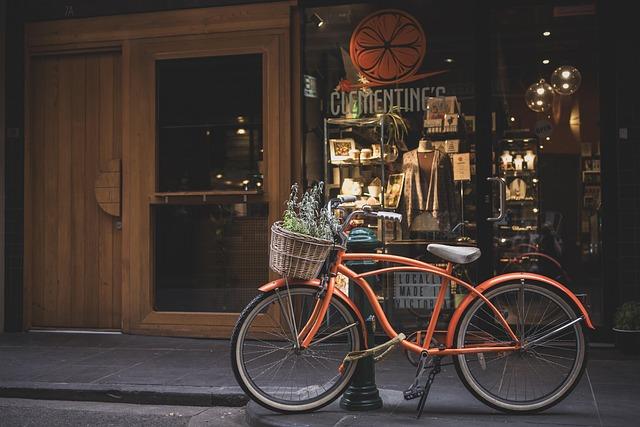
Ever felt that little thrill when you spot a one-of-a-kind jacket on a thrift-store rack or uncover a mid-century lamp at a flea market? That spark isn’t just about scoring a great find-it’s a glimpse of the circular economy in action. Vintage shopping keeps beautiful, well-made things in use longer, cuts waste, and reduces the demand for brand-new resources. In other words: less landfill, more style, and stories you can wear or welcome into your home.
While fast trends come and go, the circular economy invites us to do something simpler and more joyful-circulate what already exists. Choosing pre-loved pieces means you’re extending a product’s life, honoring the craftsmanship that went into it, and shrinking your footprint without sacrificing personality. Bonus points: vintage often means better quality, fairer prices, and conversations that start with “Where did you find that?”
In this article, we’ll explore how vintage shopping makes sustainability feel less like a chore and more like a treasure hunt. You’ll learn where to start, how to spot keep-forever pieces, and easy ways to care for your finds so they last. Ready to shop smarter, style deeper, and do the planet a favor along the way? Let’s dive in.
Table of Contents
- Why vintage shopping powers the circular economy and how your choices cut carbon and waste
- Where to score the best vintage finds locally and online with trustworthy marketplaces and timing tips
- How to inspect fabrics seams and labels to spot quality and avoid costly repairs
- Smart care tailoring and upcycling ideas to extend garment life and boost resale value
- Key Takeaways
Why vintage shopping powers the circular economy and how your choices cut carbon and waste
Shopping vintage keeps materials in motion-circulating garments through closets instead of funneling them to landfills or energy‑intensive recycling. Every time a piece is loved again, you extend its life, squeeze more value from the resources already spent, and ease pressure on virgin fibers, dyes, and factories. That means less extraction, fewer chemical inputs, and a slower churn of trends. It’s not just about nostalgia; it’s a practical engine for a regenerative system where repair, reuse, and resale are the default.
- Value retention: Quality pieces keep their worth, circulating cash to small sellers instead of funding more production.
- Local resilience: Thrift stores, independents, and markets create neighborhood jobs in cleaning, curation, and mending.
- Waste prevention: Choosing pre‑loved diverts textiles from landfills and incinerators before they ever get there.
- Design feedback: Demand for long‑lasting styles nudges brands to build better from the start.
Your everyday choices quietly slash footprints. Swapping one secondhand item for a new one can avoid the energy, water, and shipping tied to fresh production, and thoughtful care multiplies those savings. Make it playful: hunt for heritage fabrics, celebrate patina, and tailor for a perfect fit so you’ll keep pieces longer. The goal isn’t perfection-it’s momentum. Small, repeatable habits add up to big, compounding climate wins.
- Buy for longevity: Seek sturdy seams, natural fibers, and timeless cuts you’ll wear often.
- Maintain: Wash cold, line‑dry, and repair early to extend life and cut energy use.
- Swap and resell: Pass along what you’ve outgrown to keep items in circulation.
- Bundle and plan: Combine purchases or choose local pickup to trim packaging and transport emissions.
- Ask the story: Provenance encourages care-and the better you care, the less you replace.
Where to score the best vintage finds locally and online with trustworthy marketplaces and timing tips
Start close to home where turnover is constant and prices are friendliest. Map a loop of shops and sales so your route becomes a weekly ritual, and bring a tape measure plus photos of your space for quick decisions. Aim for restock windows and community events-these are the sweet spots when donations surge and under‑the‑radar treasures surface. Ask staff when carts hit the floor, and remember: off‑season pieces are cheaper and easier to score.
- Thrift/charity shops: Visit midweek mornings after weekend donations; follow color‑tag calendars for extra markdowns.
- Estate sales & church rummages: Go early for best selection, return on the last day for half‑off. Bring cash and boxes.
- Flea markets & antique malls: Dealers restock at dawn; bundle items to negotiate.
- Consignment & buy‑sell boutiques: Check clearance racks for designer vintage; ask about new‑arrival days.
- Neighborhood yard sales: Target community‑wide weekends and end‑of‑month moves; affluent areas = higher‑quality cast‑offs.
- Campus move‑out hubs: Late spring and mid‑winter are goldmines for furniture and denim.
Online opens the door to rarities-just shop like a pro. Use saved searches and alerts, filter for “vintage,” and vet sellers by ratings, return policies, and clear measurements. For high‑ticket items, favor marketplaces with authentication or escrow, and request unedited daylight photos. Time your bids and offers when competition dips, and search globally to catch overnight listings from other time zones.
- Etsy (vintage filter), eBay (saved searches + odd‑hour auction endings), Depop & Poshmark (bundle offers), Grailed (menswear), Vestiaire Collective & The RealReal (authentication for luxury), Chairish & 1stDibs (furniture/art), Ruby Lane (jewelry/collectibles), Facebook Marketplace & local buy‑nothing groups (fast pickups).
- Trust cues: 4.8+ seller ratings, detailed measurements, fabric/label close‑ups, return policy, and consistent photo backgrounds; do a reverse image search to spot stock photos.
- Timing tips: Check “newly listed” early mornings, bid in the final 10-15 seconds on weekday midday endings, shop coats in summer and linen in winter, and refresh during holiday donation spikes.
How to inspect fabrics seams and labels to spot quality and avoid costly repairs
Before you fall for a print or a label, get hands-on with the textile. Run a quick scrunch test-gently squeeze a hidden section and see if it bounces back; resilient fabrics like wool, silk, and quality cotton recover fast, while brittle vintage rayon/acetate may crease or crackle. Hold the piece up to light to find thin patches, moth bites, or uneven fading; natural wear is fine, but threadbare spots mean short future mileage. Scan high-friction zones (underarms, cuffs, seat) for pilling, shine, or thinning, and don’t ignore scent-stubborn mildew can be costly to treat. Peek at the lining: a breathable, well-set lining that isn’t tearing at stress points is a green flag, while sticky acetate or cracking armhole seams hint at repairs ahead.
- Scrunch test: Fabric should spring back without sounding brittle.
- Light test: Lift to a window to spot pinholes, sun-fade lines, or uneven wear.
- Rub check: Lightly rub a seam allowance; if fibers powder, the fabric may be dry-rotted.
- Surface scan: Look for pills, snags, and shine on elbows, hems, and collars.
- Lining quality: Smooth, intact linings with clean armholes and hems outlast cheap, crackly ones.
Turn pieces inside out-this is where construction tells the truth. Quality shows in even tension, tidy stitches per inch, and generous seam allowances you can tailor later (great for extending the life of a find). Reinforced stress points, French seams or Hong Kong bindings, neat blind hems, and metal zips that glide (think Talon, YKK, Lightning) signal longevity. On labels, check fiber content and care info to gauge cleaning costs, and use RN numbers, union tags (e.g., ILGWU), and country-of-origin to help date a garment and spot re-sewn or mismatched tags. Authentic, well-made pieces reduce alterations, survive more wears, and keep garments circulating-exactly the goal.
- Seam check: Look for straight stitching, consistent tension, and at least ~1 cm (3/8 in) seam allowance.
- Stitch density: Even, not sparse; loose, skipping stitches unravel fast.
- Hardware: Metal zippers run smooth; secure shank buttons; clean, tight buttonholes.
- Hem & finishes: Blind or hand-finished hems outlast raw or heavily frayed edges.
- Labels: Fiber/care details, RN/union tags, and country data should align with era; sloppy re-stitching can be a red flag.
Smart care tailoring and upcycling ideas to extend garment life and boost resale value
Treat your finds like future classics and they’ll pay you back in wear and resale. Focus on gentle maintenance and smart storage so fibers stay strong and colors stay true. A quick refresh can lift perceived value: remove pilling, revive drape with steam, and neutralize odors without heavy perfume. Keep brand tags, care labels, and any spare buttons-documentation signals authenticity and care to buyers. When small repairs are needed, choose techniques that stabilize without stressing the fabric, and photograph the garment in its best light to track condition over time.
- Wash wisely: cold water, mesh bags for delicates, eco-detergent; air-dry flat for knits, hang wovens on padded hangers.
- De-pill and de-fuzz: use a sweater comb or fabric shaver to restore a clean surface-especially on wool, cashmere, and jersey.
- Press, don’t punish: steam to release wrinkles and refresh; avoid high-heat irons that can scorch or add shine.
- Odor rescue: air outdoors or spritz a light vodka-water mix; skip heavy fragrance that can trap smells.
- Store smart: breathable garment bags, cedar or lavender for moth deterrence, fold heavy knits; never wire hangers.
- Document details: note measurements, fabric content, production era; keep receipts and brand cards when available.
Small, reversible tweaks can perfect fit and style while preserving provenance. Aim for alterations that can be let out later, and keep original components in a labeled pouch. When upcycling, highlight craftsmanship-buyers love unique stories backed by tidy finishes. If you change the look, consider period-correct buttons or trims, and photograph “before/after” to showcase the upgrade. The goal: elevate comfort and aesthetics without erasing the garment’s history.
- Resale-friendly tailoring: hem jeans with an original-hem technique; add removable darts; take in seams while leaving generous seam allowances.
- Hardware glow-up: replace missing buttons with era-appropriate sets; polish zippers and snaps; include originals in a small bag for the next owner.
- Subtle rescue dyes: even out fading with a gentle overdye or tea/indigo tint; test first on an inside seam.
- Artful mending: neat invisible stitches for minimalist pieces; visible sashiko or appliqué to turn tiny flaws into design features.
- Refresh linings: reline vintage coats or skirts in breathable Bemberg; hand-finish hems for a couture touch.
- List like a pro: crisp daylight photos, lint-rolled and steamed; note alterations, fiber care, and fit tips to justify value.
Key Takeaways
If vintage shopping proves anything, it’s that style and sustainability can be the same story. Every pre-loved piece you bring home keeps materials in circulation, supports local sellers, and adds personality to your wardrobe without asking the planet to make something new.
Ready to turn inspiration into action? Start small and keep it fun:
– Pick one item you’ll source secondhand this month.
– Repair or tailor something you already own before buying new.
– Host a swap with friends or visit a local flea, charity shop, or online resale app.
– Rehome what you no longer love-donate, sell, or gift it forward.
I’d love to hear your best thrift finds and go-to shops-share them in the comments so we can cheer each other on. Here’s to closets with character, lighter footprints, and the thrill of the hunt. Happy treasure hunting!
