
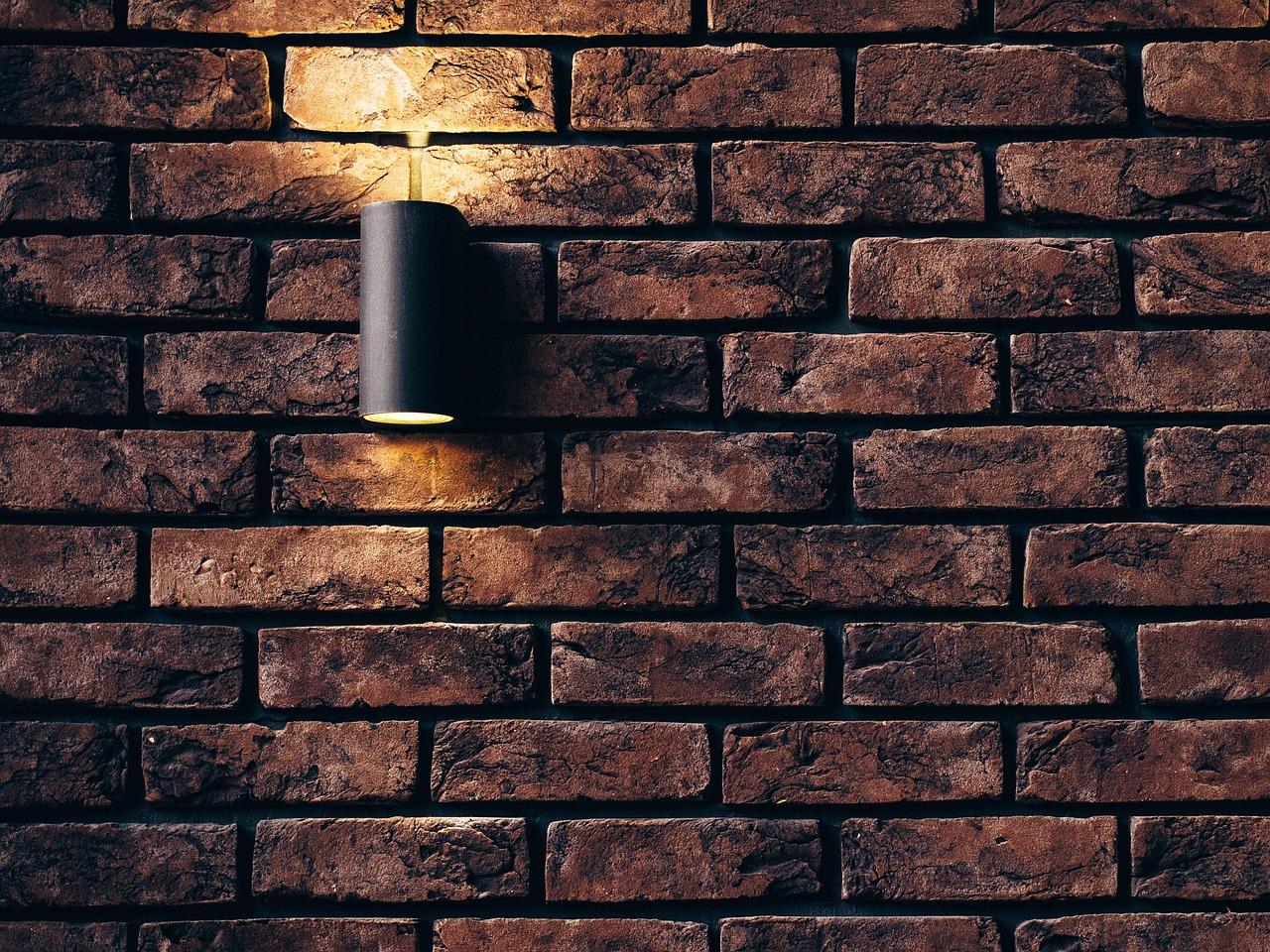
There’s a special kind of thrill in spotting a dusty, forgotten lamp on a thrift-store shelf and seeing not what it is, but what it could be. Maybe the shade is stained, the cord is sketchy, and the finish has seen better days-but beneath the grime is character you can’t buy new. With a few smart updates, that vintage find can become the statement piece your space has been missing.
In this guide, we’re taking a thrifted lamp from dated to downright dreamy-safely, affordably, and with style. You’ll learn how to assess what’s worth saving, clean and prep without ruining patina, refresh finishes (think metal polish, paint, or wood oil), and choose the right shade, harp, and finial for a modern silhouette. We’ll walk through basic rewiring tips and bulb choices, plus easy upgrades like a dimmer or smart plug to bring old-school charm into the present.
Whether your vibe is mid-century sleek, boho textured, or minimalist and matte, you’ll find design ideas and step-by-step moves to make it yours. Expect budget breakdowns, quick fixes for common issues, and before-and-after-worthy results-even if you’ve never tackled a lamp makeover before.
Grab your thrift find, roll up your sleeves, and let’s turn that “almost” into a wow. From thrifted to trendy starts here.
Table of Contents
- Treasure hunting at the thrift store: check for solid brass or wood bases and avoid wobbly stems and cracked sockets
- Safety refresh made simple: rewire with UL rated cord sets replace the socket and add a polarized plug
- Style upgrade ideas that work: choose a drum or tapered linen shade refinish with matte spray paint or Rub n Buff and swap to a modern finial
- Perfecting the light: warm LED soft white bulbs add a dimmer or smart plug and layer with nearby task lighting
- In Conclusion
Treasure hunting at the thrift store: check for solid brass or wood bases and avoid wobbly stems and cracked sockets
Give every candidate the “quality test” before it lands in your cart. Weight is your first clue: solid brass feels dense and warms in your hand, while thin plating over pot metal feels light and tinny. Flip it over and peek beneath the felt-true brass shows a consistent golden tone (even on threads), not a silvery core. For bases, look for real wood with visible grain and crisp edges; veneer bubbles, MDF fuzz, or laminated seams are telltales of a cheaper build. A premium base gives you a stable, upscale canvas for modern shades and finishes.
- Magnet test: a magnet shouldn’t stick to solid brass.
- Patina is a plus; flaking plating or deep pitting is not.
- Check under the base: brass color through-and-through beats painted pot metal.
- For wood, favor tight joinery and continuous grain over faux-wood prints or peeling veneer.
- Heft matters-heavier bases safely balance larger, modern drum shades.
Next, assess structure and safety so your glow-up doesn’t start with a repair bill. Gently rock the lamp: a wobbly stem can signal loose hardware you can snug up, but a bent center pipe or stripped threads is a hard pass. Inspect the socket closely-avoid cracked sockets, scorch marks, or a shell that spins freely. The switch should click confidently, not crunch. Cords can be replaced during your makeover, but severe fraying, stiffness, or exposed wires are negotiation-only territory-factor that into your budget.
- Red flags: persistent wobble, crooked spine, hairline cracks in ceramic/bakelite, heat discoloration, crumbly insulation.
- Green lights: straight finial rod, snug harp saddle, firm set screw under the base, smooth on/off click.
- Upgrade-friendly: standard E26/E27 socket, roomy base cavity to hide a smart dimmer or inline switch later.
Safety refresh made simple: rewire with UL rated cord sets replace the socket and add a polarized plug
Give your vintage find modern peace-of-mind with fresh, code-conscious components. Choose a UL‑listed cord set sized for table lamps (18/2 is typical) and a quality E26 socket that clearly marks silver (neutral) and brass (hot) terminals. A polarized plug ensures the neutral side of the circuit always returns safely-on lamp cord, the ribbed jacket = neutral. For metal-bodied lamps or heavy fixtures, step up to SPT‑2 insulation and add a strain relief so the cord can’t tug on the connections.
- UL‑listed 18/2 cord set (SPT‑1 or SPT‑2) with molded polarized plug, or a retrofit polarized plug cap
- UL‑listed E26 socket (phenolic or porcelain) with set screw and clear terminal markings
- Strain relief bushing, rubber grommet, and felt pads for the base
- Wire stripper, small screwdriver, continuity tester or multimeter
- Optional: 3‑conductor cord and ring terminal to ground metal bodies via the base screw
The refresh is straightforward: disassemble and photograph the original layout, then clean out dust and brittle sleeves. Thread the new cord through the base and add a strain relief (or tie an Underwriter’s knot if your socket provides no clamp). Connect the ribbed neutral to the silver screw and the smooth hot to the brass screw, wrapping wires clockwise so the screws tighten onto the copper. If you’re fitting a separate polarized plug, attach the neutral to the wider blade. Reassemble, verify there’s no pinch on the jacket, then meter-test for continuity and shorts before installing a low‑heat LED bulb. Finish with a quick wattage label under the base and enjoy style with safety baked in.
- Neutral map: ribbed jacket → silver terminal → wide blade
- Hot map: smooth jacket → brass terminal → narrow blade
- Use porcelain sockets for high‑heat shades; phenolic for most table lamps
- Ground metal bodies when possible; otherwise ensure double insulation and intact grommets
Style upgrade ideas that work: choose a drum or tapered linen shade refinish with matte spray paint or Rub n Buff and swap to a modern finial
Give the lamp a new silhouette by swapping the old topper for a clean linen shade. A crisp drum reads modern and flatters column or MCM bases; a subtly tapered linen shape softens urns, gourds, and vintage curvy profiles. Stick to slubbed neutrals-warm white, oat, or flax-to spotlight the base, or go charcoal for moody contrast. Mind the hardware: the harp might need a height change to land the shade’s “eye line” just below the socket, and a spider fitter with a sturdy harp keeps things luxe and level. Add a white acrylic diffuser if you want that high-end glow without hot spots.
- Proportion cheat: shade width ≈ base height; total lamp height should land ~58-64 inches from floor on a side table.
- Match the mood: drum for graphic/clean bases; tapered for ornate or rounded silhouettes.
- Texture > pattern: let linen’s weave do the work; skip busy prints to keep it current.
- Hide the hardware: aim for the shade to cover the socket by 1-2 inches.
- Warm bulb: 2700K-3000K LED keeps vintage pieces cozy and flattering.
Refresh the base with a low-sheen finish and a small hit of glam. For ceramics or metal, a fine scuff, bonding primer, then matte spray paint in soft black, putty, olive, or bone creates that designer, stoneware look-mist in light coats for a factory-smooth skin. Highlight ridges or edges with Rub ‘n Buff (Antique Gold or European Gold) applied sparingly and buffed for a hand-rubbed gleam. Finish the transformation with a streamlined modern finial-think clear acrylic, a flat brass disc, a tiny wood sphere, or a marble knob-to echo the new profile. Check for 1/4-27 threading and adjust harp height so the finial sits snug, not sky-high.
- Prep smart: degrease, lightly sand, and prime; painter’s tape protects sockets and labels.
- Spray like a pro: 8-10 inches away, sweeping passes, rotate the base, and let each coat flash off.
- Metal moments: use Rub ‘n Buff on bands, feet, or a raised motif-just enough to catch light.
- Finial upgrade: minimal shape, solid weight; keep it slimmer than the shade’s top ring.
- Cohesion check: repeat one finish twice (e.g., brass finial + brass pull chain) for a pulled-together look.
Perfecting the light: warm LED soft white bulbs add a dimmer or smart plug and layer with nearby task lighting
Give your thrifted treasure that golden-hour glow by swapping in a soft white (2700K-3000K) LED. Look for CRI 90+ so brass, ceramics, and fabrics read true to color, and choose a dimmable bulb to match your switch or add a smart plug for quick, no-wiring control. Clear filament LEDs echo vintage charm under glass shades; frosted bulbs soften hotspots in fabric or pleated shades. Keep heat down with low-wattage LEDs (4-8W, always within the lamp’s max rating), and if you love a candlelit vibe, try warm-dim models that drift to 2200K as you dim.
- Color temp: 2700-3000K for cozy, modern warmth; 2200K for moody evenings
- Brightness: 400-800 lumens depending on shade opacity and room size
- Quality: CRI ≥ 90, flicker-free, and labeled “dimmable”
- Style: Clear filament for sparkle; frosted for diffuse, even light
- Control: Pair with an inline dimmer or a smart plug for scenes and schedules
Then layer the look so your lamp doesn’t do all the heavy lifting. Use it for ambient warmth, add nearby task lighting (a swing-arm sconce or slim desk light) to keep work surfaces bright and shadow-free, and sprinkle in an accent source-like a picture light or small uplight-to highlight art or architectural texture. With a dimmer or smart routine, you can set a bright “prep” scene for daytime, a toned-down “read” scene for evenings, and an ultra-warm “unwind” scene before bed. The result? A vintage silhouette that feels fresh, functional, and perfectly lit at every hour.
In Conclusion
And that’s the magic of a good thrift flip: a little vision, a few simple updates, and suddenly a dusty castoff becomes the statement piece your room was missing. From a quick clean and a new shade to a fresh finish and an energy‑smart bulb, modernizing a vintage lamp is less about perfection and more about personality-and doing it sustainably never hurts.
If this inspired you to give an old lamp a second life, I’d love to see it. Share your before-and-after, drop questions in the comments, or tag me so I can cheer you on. And if you’re tackling rewiring, remember to follow safety guidelines or consult a pro.
Want more easy, budget-friendly glow-ups? Subscribe for the next thrift-to-trendy project, and save this post for your weekend hunt. Here’s to lighting up your space-one unique find at a time.
