
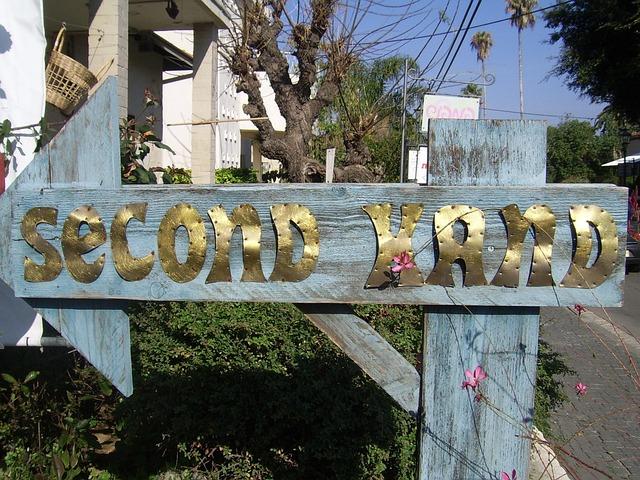
Walk into any thrift store and you can feel it: the buzz of possibility. Racks of one-offs, mismatched mugs, a jacket that looks like it lived a dozen lives before you found it-thrifting is less a shopping trip and more a treasure hunt. And here’s the best part: the constraints, surprises, and serendipity of secondhand shopping don’t just save you money-they spark creativity and help you carve out a style that’s unmistakably yours.
When you’re not chasing trends or scrolling identical carts, you get to play. You mix eras, textures, and stories. You learn to see a too-long dress as two new pieces, a dated blazer as a canvas, a chipped frame as an art project. Every find nudges you to experiment, and every outfit becomes a tiny manifesto of who you are (and who you’re becoming).
In this piece, we’ll explore how thrifting fuels imagination, boosts confidence, and supports individuality-from styling ideas and easy DIY tweaks to mindset shifts that make the hunt more joyful. Ready to turn “secondhand” into your secret superpower? Let’s dive in.
Table of Contents
- Finding Hidden Gems by Reading Labels Feeling Fabrics and Checking Construction Details
- Crafting a Signature Style with Bold Pairings Layering and Easy Upcycling Ideas
- Smart Thrifting Strategies for Fit Budget and Sustainability including Try On Hacks and Timing Your Visits
- Tailoring Care and Styling Tricks that Make Secondhand Pieces Look Elevated and Uniquely Yours
- Key Takeaways
Finding Hidden Gems by Reading Labels Feeling Fabrics and Checking Construction Details
Start with the tag-your tiny treasure map. A quick scan of the fiber content tells you more than a brand name ever could: wool, linen, silk, and cotton typically age gracefully and take dye beautifully, while a well-blended modal or viscose can drape like a dream. Peek for care labels (dry clean only often signals delicate construction), country of origin (older “Made in USA/Italy/Japan” pieces can mean sturdier builds), and vintage giveaways like union labels or discontinued brand marks. Even modern athletic or outdoor pieces with technical fabrics and UPF or waterproof ratings can be gold if you’re mixing function with flair.
- Fiber clues: High natural fiber percentages = richer texture and better breathability.
- Era hints: Union tags, old font logos, and RN numbers can date a garment.
- Care insights: Hand-wash notes or specialized care often imply thoughtful materials.
- Brand nuance: Diffusion lines vary; some collabs use superior fabrics and trims.
Then let your hands do the curating. Run your fingers along the fabric-weight, drape, and handfeel reveal quality fast. Inspect the architecture: clean topstitching, generous seam allowances (room to tailor = longevity), and pattern matching at side seams show intention. Flip hems for blind stitches or tidy overlocking; check buttonholes (clean, tight) and zippers (a smooth YKK or RiRi is a green flag). The inside should look nearly as considered as the outside-because style that lasts is built, not rushed.
- Touch test: Avoid scratchy synthetics and limp knits; seek bounce, softness, and recovery.
- Seam story: French seams, binding, or tight serging signal care and durability.
- Structure: Lining that breathes, shoulder pads that sit flat, interfacing that isn’t bubbling.
- Wear markers: Light pilling can be depilled; deep fabric thinning or seam stress-skip.
Crafting a Signature Style with Bold Pairings Layering and Easy Upcycling Ideas
Thrift finds shine brightest when you lean into audacious combos that feel like you. Start by choosing a single “hero” piece-a neon blazer, embroidered skirt, or chunky boots-and let everything else echo or intentionally clash with it. Think in contrasts that tell a story: slick vs. fuzzy, masculine vs. feminine, vintage vs. futuristic. The goal isn’t perfection; it’s personality. Try these mix-and-match sparks:
- Color pop: Pair a muted base with one electric hue to anchor your outfit without losing drama.
- Pattern remix: Combine stripes with florals or checks with animal print; keep one print smaller to balance.
- Shape play: Oversized on top, tailored on bottom (or vice versa) for instant silhouette interest.
- Texture clash: Velvet with denim, leather with lace-opposites add dimension and depth.
- Era blend: A ’90s slip dress under an ’80s boxy jacket creates modern nostalgia.
Layers are your secret design tool and the easiest path to custom flair. Stack thin pieces under structured staples, belt slouchy knits to create shape, and let hems peek out for intentional asymmetry. Then, elevate it all with simple DIY tweaks that turn “secondhand” into “one-of-a-kind” without a sewing degree:
- No-sew crop: Fold and double-sided tape a tee’s hem for a clean faux-crop that’s fully reversible.
- Button swap: Replace standard buttons with vintage metal or pearl ones for instant polish.
- Dye refresh: Revive faded denim or tees with a single-color dye bath or a subtle ombré.
- Patch + stitch: Add visible mending, sashiko-style, or iron-on patches to tears and elbows.
- Scarf styling: Convert a silk scarf into a belt, bag handle wrap, or halter layer.
- Sleeve remix: Remove sleeves from a blazer to make a vest, perfect for all-season layering.
- Hardware accents: Clip on chains, brooches, or key rings to pockets and belt loops for edge.
Smart Thrifting Strategies for Fit Budget and Sustainability including Try On Hacks and Timing Your Visits
Shop with a plan and a conscience: set a flexible ceiling (like a cash envelope) and use a quick price-per-wear check to keep impulse buys in line with your goals. Prioritize quality fabrics-wool, cotton, linen, and sturdy denim-because they last, mend well, and keep garments in rotation longer. Bring a tiny sewing kit mindset: if a fix is under 10 minutes or a small tailor fee, it’s a green light; if it needs major surgery, leave it for someone who loves a project. Let your creativity lead but filter every find through a quick “will I care for this?” lens (hand-washable, easy to spot-clean, doesn’t shed microplastics excessively). Then use smart try-on habits to confirm fit and comfort without the dressing-room drama.
- Layer to win: wear a fitted base layer and socks so you can test tops, jackets, and shoes fast-even over your clothes.
- Know your numbers: bring a compact tape; measure a perfect-fit piece at home and match shoulder width, rise, waist, and inseam on the rack.
- Fit litmus tests: shoulder seam hits the edge of your shoulder; jeans pass the squat + pocket-phone test; waist fits with a two-finger ease.
- Fabric reality check: rub lightly for pilling, stretch and release to test recovery, scan seams/underarms/hem for stress or deodorant stains.
- Light and scent: step near a window or bright area to spot discoloration; do a quick sniff for storage odors that won’t wash out.
- Outfit math: if the piece works with three items you already own, it’s a budget- and planet-friendly yes.
Timing is everything: thrift stores run on rhythms, and syncing with them multiplies both savings and selection. Ask associates when new racks hit the floor, learn the color-tag markdown cycle, and plan quick, purposeful stops rather than marathon hunts. Shop off-season for premium fabrics at gentle prices, and hit donation surges after weekends, end-of-month moves, and post-holiday cleanouts. Keep a small “re-donate” tote in your trunk so your closet stays balanced-what comes in, something goes out-circulating value back into the community.
- Restock windows: first hour after opening often features fresh carts; late afternoons can reveal newly processed gems.
- Surge days: Mondays after weekend drop-offs, end-of-month move-outs, and post-holiday clear-outs = peak treasure.
- Tag intel: track which color is 50% off each week to stack savings on already-low prices.
- Off-season scoops: buy wool coats in spring, linen in fall-best condition, lowest competition.
- Loyalty + specials: student/senior/military days, text clubs, and bag sales cut totals without cutting quality.
- Care calculus: factor cleaning and tailoring into your budget; long-lived pieces pay you back in wears, not just dollars.
Tailoring Care and Styling Tricks that Make Secondhand Pieces Look Elevated and Uniquely Yours
Give every find a mini makeover before it hits your closet. Start with a gentle refresh: steam to lift odors and reshape, then spot-treat thoughtfully (enzyme soaks for cotton/linen; skip on wool/silk). Revive color with fabric-safe dye tests, and press with a pressing cloth for crisp seams. Quick tailoring tweaks do the most: add discreet darts for shape, shorten sleeves while keeping the original hem, or shift buttons to subtly nip the waist. Swap flimsy details for better ones-metal zippers, real horn or mother-of-pearl buttons-and condition leather trims so they read luxe, not tired.
- De-pill + de-fuzz: Use a sweater comb or shaver, then finish with a lint brush for a runway-clean surface.
- Re-block + reshape: Steam knits and hats, lay flat or on forms to dry so they hold a polished silhouette.
- Invisible fixes: Reinforce loose seams, add clear snaps at gaping spots, and replace cloudy plastic buttons with quality hardware.
- Color rescue: Overdye faded black or navy, and always test a hidden seam first.
- Luxe touches: Slip in a removable lining or silk shoulder shields to protect and elevate.
Style with intention so the piece feels like it was designed for you. Play with proportion (structured over slinky, oversized cinched at the waist), mix decades for tension, and let texture do the talking. A few deliberate accents-unexpected belts, artful brooch clusters, or a contrast cuff-turn thrifted into bespoke. Keep the eye moving with shape, shine, and silhouette, and you’ll broadcast confidence over cost.
- High-low mix: Pair a vintage blazer with crisp denim and modern sneakers for instant balance.
- Cinch + crop: Belt oversized pieces, French-tuck shirts, or knot tees to define the waist.
- Layer smarter: Turtleneck under a slip dress; sheer blouse under a vest; collar popped over a crewneck.
- Hardware swap: Mismatched vintage buttons, statement buckles, or a chain belt add personality.
- Textural play: Velvet with raw denim, satin with chunky knits, leather with airy cotton.
- Signature detail: Roll sleeves to reveal lining, cluster two brooches on one lapel, or use a silk scarf as a belt.
Key Takeaways
If there’s one thing thrift shopping proves, it’s that style isn’t bought off a mannequin-it’s built, piece by piece, from curiosity and play. Every rack is a sketchbook, every find a prompt, and every outfit a small act of self-expression. You don’t just save money or shop more sustainably; you learn to trust your eye, tell your story, and wear something no one else has.
So here’s your gentle nudge: pop into your local thrift store this week. Give yourself a tiny challenge-set a budget, pick one “wild card” piece, or choose something you’ll tailor or upcycle. Let the hunt guide you, not the trend cycle.
I’d love to hear what you uncover. What’s your best thrift score ever? Any tips or neighborhoods you swear by? Drop them in the comments and help another treasure hunter out. Until then, happy hunting-and happy creating.
