
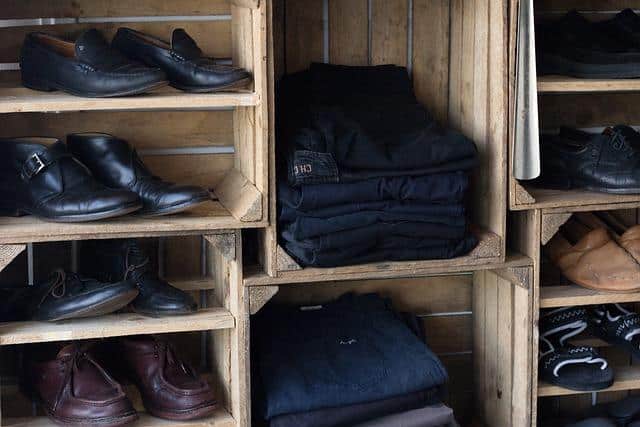
Shoppers lined up early as the latest Thrift Vintage event opened its doors, drawing collectors, stylists, and weekend thrifters to racks of curated history. Inside, the hunt was swift and strategic: single-stitch band tees, deadstock denim, varsity jackets, and military surplus disappeared within minutes, while Y2K designer pieces and workwear staples anchored the day’s biggest grabs.
Part pop-up marketplace, part community meetup, the touring series has become a bellwether for what’s trending in circular fashion. Prices remain competitive, but the real sell is the mix-true one-of-ones, regional sports gear, and archival labels rarely spotted outside specialty shops-backed by a friendly, dig-for-it energy that keeps newcomers and resellers shopping side by side.
We got a first look at the rarest pulls and the stories behind them, from faded tour merch to pristine, tag-on finds. Here’s what stood out, what’s moving fastest, and the pieces to watch as vintage’s next wave hits the rack.
Table of Contents
- Start at Outerwear and Denim for the Best Odds of Rare Scores
- Check Seams Labels and Hardware to Confirm Authenticity
- Arrive Early and Walk the Perimeter Before Digging Through Bins
- Pay in Cash and Bundle Items to Land Fair Prices and Skip Fees
- To Conclude
Start at Outerwear and Denim for the Best Odds of Rare Scores
On the floor, sellers consistently report that coats and jeans yield the day’s earliest wins. These categories are built to last, their labels and hardware survive wear, and pricing often lags the market. Expect to see blanket-lined chore coats, Type II/III truckers, waxed canvas, military field jackets, and selvedge or even deadstock denim surfacing first as racks are replenished. Speed matters: hit the heavy fabrics, scan for silhouette and stitching, and pull anything with standout hardware before slowing down for closer verification.
- High survival rate: Dense twills, wool, and canvas age well, keeping details intact.
- Clear tells: Branded zips, rivets, and tabs are fast, reliable indicators under time pressure.
- Price anomalies: Workwear and odd sizes are frequently under-tagged compared to tees or sneakers.
- Rapid comps: Known models and lots make quick phone checks feasible in a crowded aisle.
Use a newsroom-style checklist: scan the yoke and seams first, then flip cuffs and pockets for inner tags. Hardware is your headline-look for Talon/Scovill zippers, hidden rivets, selvedge IDs, and chainstitch waistbands. Verify age with union or care tags, lot numbers, and stitch type (single-needle vs. overlock). Don’t ignore cross-rack opportunities: women’s and youth sections often hide smaller workwear sizes, and wall displays or back-of-house rails may hold the strongest pieces awaiting re-tag.
- Denim tells: Big “E” tab (pre-1971), redline selvedge, paper patch remnants, cone stamp impressions.
- Outerwear tells: Blanket lining stripes, moleskin or melton wool hand-feel, Talon 42/Scovill zips, chainstitched varsity lettering.
- Stitch clues: Single-needle yokes, chainstitch runoff at hems, bar-tack colors on pocket stress points.
- Placement checks: Inside left pocket bags for care/union tags; behind registers and display walls for premium pulls.
Check Seams Labels and Hardware to Confirm Authenticity
On the show floor, the quickest authenticity tells are hiding in the construction. Scan the interior before the tag: clean, even stitch lines, balanced tension, and finishing that matches the garment’s era all matter. Vintage denim often shows chainstitch at hems; tailored jackets reveal hand pick-stitching and canvased structure, not flat, fused panels. Pattern-heavy pieces should align at joins, and stress points typically carry reinforced bar tacks. When seams tell a consistent story-from hem to lining-you’re likely handling the real thing.
- Seam allowance: Generous, even allowances suggest factory standards; razor-thin, ragged edges raise flags.
- Stitch density (SPI): Consistency is key-no skipped stitches, bird-nesting, or abrupt changes.
- Reinforcement: Look for bar tacks at pockets and belt loops; vintage workwear favors sturdy lockstitching.
- Pattern matching: Plaids and stripes should meet cleanly across side seams and pockets.
- Interior finish: Era-accurate overlock thread, tidy bindings, and hand-finished hems signal quality.
Labels and hardware complete the picture. Fonts, spacing, and placement should mirror known period examples; care tags, union marks, and RN/CA codes must align with the brand’s timeline. Hardware tells are just as loud: zipper brands, rivet backstamps, and button engraving quality rarely lie. Weight, tone, and patina should be coherent across components-no mix of shiny, new parts on otherwise aged pieces. When in doubt, macro photos and quick code checks against reputable archives help verify the story the garment is telling.
- Typography & layout: Crisp type, correct kerning, and proper label position; fuzzy prints and crooked stitching are suspect.
- Codes & tags: RN/CA, union labels, and era-accurate care symbols; verify against public databases and brand timelines.
- Country of origin: Matches the brand’s production era; wording and punctuation should be standard for that period.
- Zippers: Period-correct makers (e.g., YKK, Riri, Lampo, Talon) with clean stampings and smooth action.
- Buttons & rivets: Even engraving, matching metal tone, and authentic backstamps; no glue residue or sharp casting seams.
- Snaps & screws (bags/shoes): Tight hardware, correct screw types, and consistent finish; loose or mismatched parts are a red flag.
- Finish & patina: Natural wear, not uniform “factory” distress; plating should show believable aging, not flaking paint.
Arrive Early and Walk the Perimeter Before Digging Through Bins
Arrive 15-30 minutes before doors open to secure the first wave. When the rope drops, make a fast clockwise lap along the walls and anchor racks where vendors showcase their cleanest pulls and marquee pieces. You’ll often see single-stitch tees, USA-made denim, varsity wools, and deadstock sneakers staged at the edges to catch traffic. Watch for fresh bundles being wheeled out in the first five minutes-many sellers restock outer rails before touching bulk.
- Endcaps first: Corner standards and edge racks get the premium hangers and full size runs.
- Read the signs: Booth placards reveal pricing tiers and whether bins are flat-rate or by weight.
- Look under tables: Labeled milk crates often hide overflow band tees, workwear, and military.
- Track restock carts: Follow the cart trail; new stock typically hits the perimeter before the center.
- Spot condition tells: Sun-fade, chainstitch, Talon zips, and single-needle seams pop faster at eye level.
After that first lap, then dive into bulk. The sweep clarifies comps and category heat so you can prioritize-maybe Booth A is loaded with late-’90s sportswear with clean tags while Booth C leans deadstock caps. With intel in hand, target bins for sizes and backups, keep checkout times tight, and avoid overpaying. Confirm each vendor’s hold policy, cash vs. tap, and return-to-rack rules before stacking, then work inward by zones to maintain pace and protect your early grabs.
Pay in Cash and Bundle Items to Land Fair Prices and Skip Fees
On the floor, vendors consistently signal that a cash price is the most straightforward path to a fair deal. Sticker tags often absorb processing fees and marketplace cuts; paying with notes trims that overhead and can nudge totals down, especially when coverage is spotty for card readers. Expect signs that say “cash preferred,” quick head nods at the mention of paper, and faster checkout during peak aisles-key advantages when a coveted varsity jacket or band tee hits the table.
- Carry small bills to make exact offers without waiting on change.
- Ask, “What’s the cash price?” before presenting your pile.
- Watch for swipe minimums or tap surcharges posted at booths.
- Propose a round number that removes fees: “Could we do 80 even in cash?”
- Bundle items with similar margins-think tees + belts or denim + caps-to earn a break on the overall total.
- Time ATM runs early; venue machines can add extra fees or run dry by midday.
Bundling moves inventory for sellers and consolidates value for buyers, turning three solid picks into one negotiable figure. Lead with a respectful anchor-“These tag at 25, 25, and 20; would 60 cash work for all?”-and be ready to remove one piece to meet in the middle. Group by era or category to show intent (Y2K denim, 90s sportswear, military surplus), and let the vendor suggest swaps that keep the margin healthy. The upshot across the event: cash + bundles remain the cleanest way to skip add-ons, beat the queue, and walk away with verified steals before they disappear from the racks.
To Conclude
As the first wave of Thrift Vintage Events wraps, one takeaway is clear: the appetite for hard-to-find heritage pieces shows no signs of slowing. From deadstock denim to band tees with provenance, the floor continues to blur the line between weekend market and curated archive, with sustainability-minded shoppers driving the momentum.
For those planning a visit, expect early lines, fast-moving racks, and a premium on well-documented pieces. Arrive with a list, check seams and tags, and don’t hesitate to ask vendors about origin and care. Dates and vendors rotate by city, so monitoring official channels ahead of each stop remains the best bet for scoring targeted finds.
Whether you’re a seasoned collector or a first-time thrifter, the hunt is part of the value. In a market crowded by fast fashion, these events offer something rarer: garments with stories-and a chance to keep them in circulation.
