
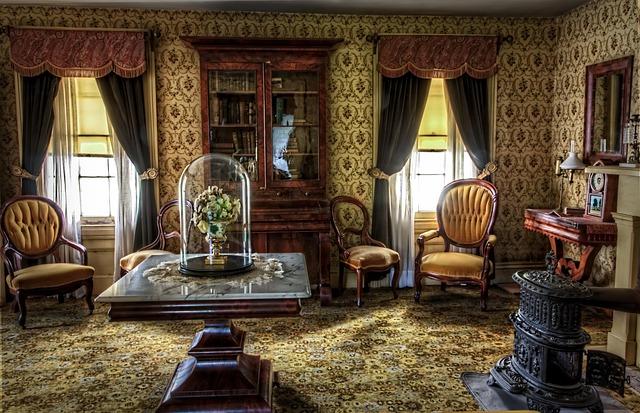
There’s a special kind of magic in vintage interior pieces-the lived-in patina, the quality craftsmanship, the quiet stories they bring to a room. Whether you’ve scored a flea-market gem, inherited a well-loved chair, or finally decided to rescue that mid-century sideboard from storage, bringing old pieces back to life is equal parts restoration and care.
In this guide, we’ll walk through how to assess condition, clean safely without erasing character, and choose the right approach for materials like wood, metal, leather, and fabric. You’ll learn when to refinish and when to preserve patina, how to spot red flags like loose joints or lead paint, and the simple maintenance rituals that keep your finds beautiful for decades. Think of it as a calm, practical roadmap-friendly enough for first-timers, detailed enough for seasoned thrifters.
Ready to revive what you love, save money, and keep gorgeous craftsmanship out of the landfill? Let’s restore thoughtfully, care confidently, and let your interiors tell their best stories.
Table of Contents
- Know What You Have: Quick tests for wood species, veneer versus solid, and shellac versus lacquer
- Clean Without Damage: Use pH neutral soap and distilled water on finishes, mineral spirits for wax buildup, and gentle vacuuming for textiles
- Repair Like a Pro at Home: Reglue with hot hide glue, steam out dents, lift white rings with gentle heat, and readhere loose veneer with cauls
- Protect for the Long Haul: Paste wax not polyurethane, UV window film and rotation, stable humidity with a hygrometer, and felt pads and museum putty
- To Wrap It Up
Know What You Have: Quick tests for wood species, veneer versus solid, and shellac versus lacquer
Before you strip or stain, play detective. Wood reveals itself through grain, weight, and smell. For species ID, check the end grain with a magnifier-those tiny pores and growth rings are your fingerprints. A quick hand-plane curl or light sand exposes true color beneath oxidation, while a damp cloth can momentarily deepen tone to show contrast. Fresh shavings release scent clues too: cedar is aromatic, oak smells tannic, maple is faintly sweet. Keep in mind: lighting lies-judge color in natural light and compare to reference samples.
- Grain & pores: Ring-porous woods like oak show bold earlywood pores; diffuse-porous woods like maple look smooth and even.
- Weight & hardness: Heft it-walnut and oak feel denser than pine; a discreet fingernail press can hint at softness.
- Color beneath the surface: A tiny sanded spot reveals the real hue; oxidation can make walnut look chocolate and cherry look brown.
- Tannin test: Dab vinegar/steel-wool solution; high-tannin woods (oak, chestnut) darken noticeably.
- End grain tells all: Look for rays in oak (long, shiny flecks) and bird’s-eye in maple as tight dots or “eyes.”
Next, confirm what you’re working with on the surface. Is that top layer veneer or solid? And is the finish shellac or lacquer? Always test in a hidden spot. Veneer usually wraps the face but stops at edges; solid boards carry grain through. For finishes, a cotton swab is your best friend: solvents react differently, giving you a quick yes/no without committing to a full strip.
- Veneer vs. solid: Check exposed edges for layered plies; look for repeating grain patterns; inspect underside/back for a different, cheaper wood; follow grain over rounded edges-solid flows, veneer often “breaks.”
- Tap & chip clues: A light knuckle tap on veneer over substrate sounds higher and tighter; tiny chips reveal a thin decorative layer over a core.
- Shellac test: Denatured alcohol on a swab will soften/dissolve shellac quickly, turning sticky and transferring color.
- Lacquer test: Lacquer thinner (or acetone) affects lacquer, while alcohol won’t; lacquer often shows fine “crazing” lines, shellac tends to amber warmly.
- When in doubt: Try alcohol first (gentler), then lacquer thinner; stop at first reaction and note results for your restoration plan.
Clean Without Damage: Use pH neutral soap and distilled water on finishes, mineral spirits for wax buildup, and gentle vacuuming for textiles
Protect original finishes by starting with the mildest method: a few drops of pH‑neutral soap in a cup of distilled water. Lightly dampen a soft, lint‑free cloth, wring until nearly dry, then wipe with the grain; follow immediately with a dry microfiber to prevent water spots. If you see cloudy residue or heavy polish layers, reach for mineral spirits to lift old wax without stripping cured varnish or lacquer-always spot‑test in a hidden area, ventilate well, and keep away from heat sources. Carvings and crevices respond well to cotton swabs or a soft natural‑bristle brush; the goal is clarity and glow, not a brand‑new shine.
- Mix: 2-3 drops neutral soap per 250 ml distilled water; never use vinegar, ammonia, or citrus on aged finishes.
- Method: Barely damp wipe, immediate dry buff; repeat lightly rather than scrubbing.
- Wax buildup: Dab mineral spirits on a cloth, work in small sections, lift residue, then rebuff.
- Detailing: Use cotton swabs/soft brushes for mouldings; avoid abrasive pads and “magic erasers.”
For fabrics, prioritize gentle vacuuming to remove grit that saws at fibers. Fit the vacuum with an upholstery brush, set to the lowest suction, and, for fragile weaves, place a mesh screen (or a piece of pantyhose) between the tool and textile to prevent snagging. Test dyes before any spot work. If a mark remains, whip a tiny amount of pH‑neutral soap into suds, use the foam only with distilled water to blot-not rub-and support the area from beneath; allow to air‑dry away from direct sun to minimize tide lines and fading.
- Vacuum pattern: Work in overlapping passes with the nap; stabilize loose threads with your fingers.
- Spot care: Apply foam with a soft cloth, blot from the stain’s edge inward; change cloth faces often.
- Delicates: For silk, metallic threads, or unstable dyes, stop at dry soil removal and consult a conservator.
- Avoid: Steam, soaking, enzyme or oxygen bleaches, and deodorizing powders that can embed in fibers.
Repair Like a Pro at Home: Reglue with hot hide glue, steam out dents, lift white rings with gentle heat, and readhere loose veneer with cauls
That wobbly chair leg or lifting veneer isn’t a write‑off. With hot hide glue and well‑padded cauls, you can make museum‑friendly repairs that are strong, neat, and reversible. Pre‑warm your parts, rehearse the clamp‑up, and work briskly-hide glue grabs as it cools and bonds beautifully to the original animal glue still in many vintage pieces.
- Mix and heat: Bring granules to 140-150°F (60-65°C) in a double boiler; thin to honey consistency. Keep the work and room warm.
- Loose joints: Clean out dust and old crumbs, brush glue on both faces, “rub” the joint until it resists, then clamp with padded cauls to spread pressure. Check alignment and square while the glue is still mobile.
- Veneer readhering: Inject glue with a syringe or feed with a palette knife, lay release paper (waxed paper) and felt, then flatten with cauls. Clamp evenly from the center out; scrape gelled squeeze‑out or wipe lightly with warm water.
- Pro tip: Tape can act as a micro‑clamp on edges; avoid modern PVA on antique joints-it won’t bond to old hide glue and isn’t reversible.
Surface blushes and dings often yield to gentle coaxing. Most dents are compressed fibers you can steam back to level, and white moisture rings in old finishes usually fade with gentle heat. Go slow, test in a hidden spot, and aim for “just enough” rather than perfection that erases patina.
- Raise dents: Place a drop of water, cover with clean cotton, and touch with a medium‑hot iron for 3-5 seconds. Let cool, repeat as needed. Once flush, de‑nib lightly and wax. Avoid raw heat on shellac or lacquer.
- Fade white rings: Lay plain brown paper or a cotton T‑shirt over the mark; apply low heat with a moving iron or hair dryer in short passes. When the haze clears, finish with a whisper of paste wax or a padding of shellac if required.
- Safety and setup: Ventilate, protect surrounding finish with foil or silicone mats, keep timers on clamps, and resist high heat-your goal is to soften and release moisture, not cook the surface.
Protect for the Long Haul: Paste wax not polyurethane, UV window film and rotation, stable humidity with a hygrometer, and felt pads and museum putty
For wood, choose a breathable, reversible barrier instead of a plastic-y topcoat. A high-quality paste wax lends a soft glow, nourishes old finishes, and can be renewed without stripping valuable patina-unlike polyurethane, which seals in moisture, can yellow, and is tough to remove later. Think of wax as a raincoat, not a suit of armor: it protects while letting the piece age gracefully.
- Use: Traditional beeswax/carnauba blends or microcrystalline paste wax (non-yellowing, museum-friendly). Avoid silicone-laden polishes.
- Skip: Film-forming finishes like polyurethane on original surfaces; they’re difficult to reverse and can flatten character.
- Apply thinly: Work a pea-sized amount with a soft cloth along the grain, let it haze, then buff to a low sheen. Two light coats beat one heavy one.
- Maintain: Dust with a clean microfiber, re-wax high-touch zones every 6-12 months, and always test in an inconspicuous spot first.
Environment is everything. Light, humidity, and daily use quietly shape the fate of vintage pieces-so control the room and cushion the contact. Small, steady habits will outlast any miracle product.
- Block UV and rotate: Apply UV window film, use sheers during peak sun, and rotate textiles and wood surfaces every few months to even out fading.
- Stabilize humidity: Park a hygrometer nearby and aim for 40-55% RH with minimal swings; add a humidifier/dehumidifier as needed and keep pieces away from vents and radiators.
- Protect contact points: Add felt pads under feet and objects to prevent scratches; replace them when compressed or gritty.
- Anchor discreetly: Use museum putty/gel to secure lamps, ceramics, and frames-especially on glass shelves or in quake-prone areas-without harming finishes.
To Wrap It Up
Bringing vintage pieces back to life isn’t just a project-it’s a relationship. With a little patience, gentle cleaning, the right finishes, and a respect for patina, you’re not only preserving materials but the stories they carry. Remember: test products on hidden spots, protect from sun and moisture, and call in a pro when a piece is rare, fragile, or beyond your comfort zone. Small, regular care beats big rescues every time.
If you’ve been inspired to tackle a chair, lamp, or heirloom chest, I’m cheering you on. Share your before-and-afters, your questions, or your go-to products in the comments-your tips might be exactly what another vintage lover needs. And if you found this helpful, pass it along to a friend or bookmark it for your next flea market find.
Here’s to sustainable choices, well-loved finishes, and homes layered with history. Happy restoring-and may your discoveries be timeless.
