
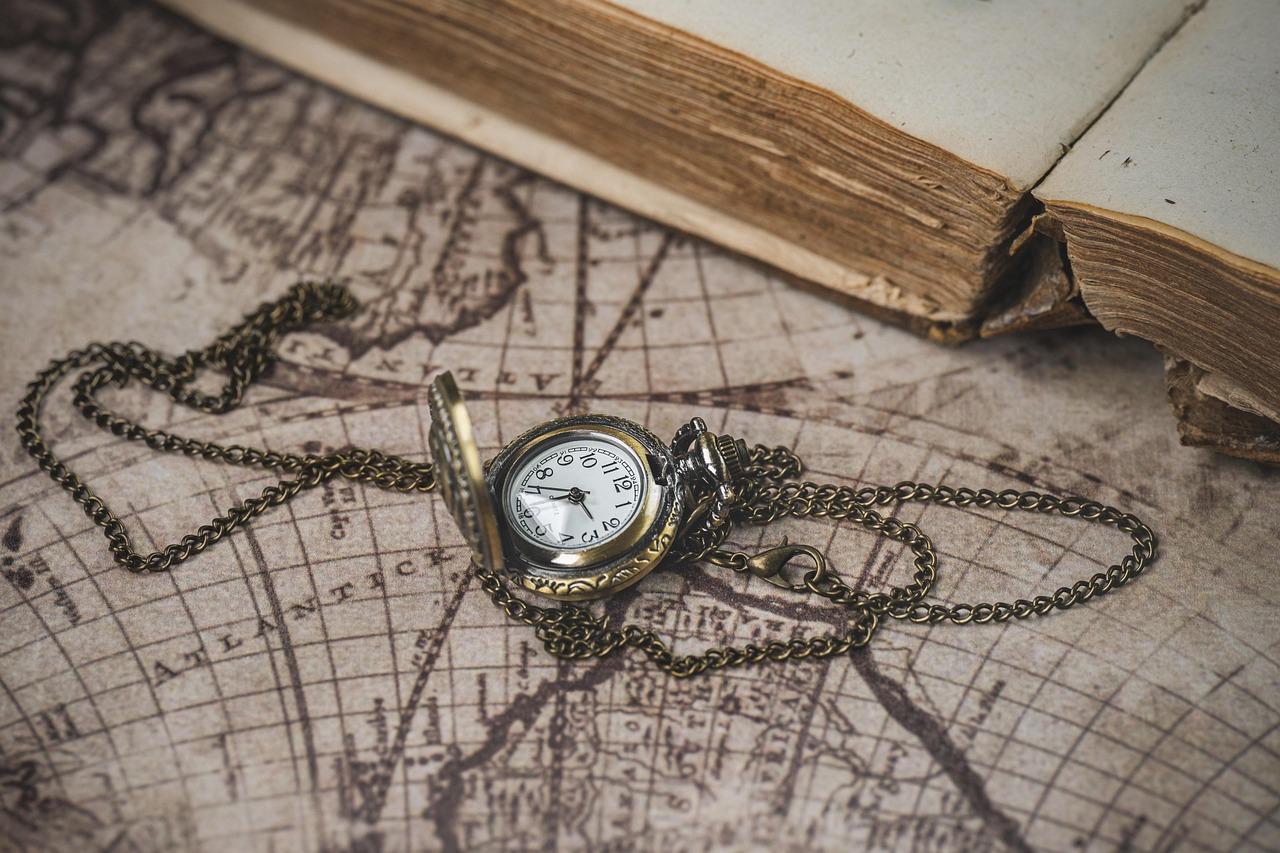
There’s something charming about a timekeeper that fits in your palm and whispers the seconds instead of shouting them from your wrist. Pocket watches aren’t just old-fashioned accessories; they’re tiny time machines, packed with stories of inventors, explorers, train conductors, and style icons who all trusted a quiet tick to keep life on track.
In this friendly stroll through pocket watch history, we’ll wander from Renaissance workshops to the iron rails of the railroad age, then onward to the jazz-soaked swagger of the early 20th century and the wristwatch takeover that followed. No horology degree required-just curiosity. We’ll keep the jargon light, the anecdotes lively, and the timeline clear, so you can enjoy the view without getting lost in the gears.
Along the way, you’ll meet the clever innovations (hello, balance spring), the fashion moments (waistcoat chains and all), and the legendary makers whose names still glint on silver and gold cases. We’ll peek at why railroad standards mattered so much, how key-wind became stem-wind, and why pocket watches are enjoying a quiet comeback today.
Whether you’re a seasoned collector, a history buff, or someone who just loves a good mechanical marvel, consider this your guided walk-unhurried, curious, and a little bit nostalgic. Ready to wind back the hands of time? Let’s begin.
Table of Contents
- From Gilded Beginnings to Railroad Precision
- Inside the Case Movements Materials and Telltale Clues
- Picking a First Antique Pocket Watch Starter Picks Trusted Sellers and Red Flags
- Care Styling and Storage Daily Habits that Protect Value and Wearability
- To Conclude
From Gilded Beginnings to Railroad Precision
Picture the earliest pocket clocks peeking from brocade waistcoats: lavish miniatures that announced status before they proclaimed the hour. These ornate companions, powered by verge escapements and sometimes a fusee chain, excelled at pageantry more than precision. Cases were thick, richly chased, and often double-cased to protect delicate enamel dials. You wound them with a key, set them by town clock or sundial, and wore them like jewelry-timekeeping as theater, not yet science. As craft met curiosity, workshops refined the silhouette, thinned the profile, and flirted with lever escapements, inching closer to regularity while keeping their gilt-and-ivory bravado.
- Key-wind, key-set movements tucked into heavy, ornate cases
- Roman numerals on enamel dials; blued hands with poetic swagger
- Pair cases and repoussé decoration for durability and display
- Early verge/cylinder tech-romantic, temperamental, and charmingly imprecise
- Chains and chatelaines turning time into wearable sculpture
Fast-forward to an age of steel tracks and synchronized whistles, when minutes could save lives. Timetables demanded proof, and watchmakers answered with engineering sobriety: standardized time zones, rigorous inspection, and the rise of the “railroad grade” watch. Out went fragile frills; in came lever-set safety, 17-23 jewels, micrometric regulators, and adjustments to positions, temperature, and isochronism. Dials turned bold and legible, cases sturdy and practical, and American factories-think Waltham, Elgin, Hamilton-industrialized accuracy itself. In the conductor’s hand, the pocket watch became less ornament, more oath: a compact promise that two trains would never meet by mistake.
- Open-face 16/18-size cases with the stem at 12 for clear orientation
- Lever-set setting to prevent accidental time changes in the pocket
- Bold Arabic numerals, high-contrast dials, and wide minute tracks (often Montgomery)
- 17+ jewels, double-roller escapements, and temperature/position adjustments
- Routine inspection and certification-precision made public and verified
Inside the Case Movements Materials and Telltale Clues
Pop the back cover and you’ll find a miniature city of gears, bridges, and polished steel-each detail a breadcrumb to when and where your timekeeper was born. Look for the architecture first: early Americans often used full‑plate layouts, later shifting to 3/4‑plate, while Swiss makers loved open bridge designs that show off the train. The way it winds and sets is equally chatty: key‑wind/key‑set suggests mid‑19th century roots, stem‑wind comes later, and lever‑set shouts railroad duty. Don’t skip the escapement and balance: verge and cylinder are old souls, lever escapements dominate quality pieces; a cut bimetallic balance hints at temperature compensation, while a sleek, screwless Glucydur rim leans 20th century.
- Plate style: full‑plate (early), 3/4‑plate (transitional), bridges (Swiss, later)
- Winding/setting: key‑wind, stem‑wind; pendant‑set vs. lever‑set (railroad)
- Escapement: verge/cylinder (antique), lever (quality standard); Breguet overcoil = refinement
- Regulators: swan’s‑neck (fine Swiss), whipspring/Reed (American ingenuity), micrometric screws
- Jewel count: 7j (basic), 15-17j (workhorse), 21j+ (high grade); screwed chatons = upscale/earlier
- Finishing: damaskeening on nickel plates (American flair), Geneva stripes, perlage, heat‑blued screws
- Power train: fusee (older English), going barrel (later efficiency), safety pinion (American hallmark)
Materials and markings do the rest of the detective work. Gilt‑brass plates glow warm on 19th‑century pieces; silvery nickel (German silver) movements arrive later and often sparkle with patterned damaskeening. Red ruby jewels (sometimes in gold chatons) and bright blued steel screws signal pride in finishing. Lettering is gold: maker names, serial numbers, and phrases like Adjusted 5 Positions or Temperature & Isochronism point to precision and sometimes to railroad standards. Private‑label signatures reveal retailer stories; patent dates and quirky regulator shapes can pinpoint a decade. Even the balance speaks: heavy screws and a split rim for temperature, or a modern monometallic rim for a newer era.
- Plate metal: gilt (earlier), nickel/German silver (later, often American/Swiss)
- Jewels: pressed vs. screwed; cap jewels/endstones denote higher grade
- Balance: cut bimetallic with timing screws (19th/early 20th c.), Glucydur solid rim (later)
- Adjustments: “Adjusted” + positions/temperature = better regulation, potential railroad spec
- Engravings: maker/retailer, serials for dating, patent marks as time stamps
- Hardware tells: polished countersinks, beveled edges, matched screw heads = careful handwork
- Condition clues: uneven screw blur, mismatched chatons, or fresh tool marks can hint at past swaps
Picking a First Antique Pocket Watch Starter Picks Trusted Sellers and Red Flags
For a first piece, aim for something reliable, affordable, and easy to service. Sweet spots include 12-size or 16-size American or Swiss pieces with 7-17 jewels, a clean enamel dial (fine hairlines are okay), and a sturdy nickel or gold-filled case. Look for clear photos of the movement, ask about recent servicing, and expect honest timekeeping like “within a couple of minutes a day” rather than modern-chronometer precision. If you love the look of railroad watches, consider starting with a dress model first-fewer rules, lower prices, and still loads of character.
- Waltham Model 1908 (16s, 15j): Readily available, rugged, and parts-friendly; great value.
- Elgin Grade 290/313 (16s, 7-15j): Classic starter workhorses with plenty of spares around.
- Hamilton 912 or 917 (12s, 17j): Elegant dress watches, refined finishing, pocketable size.
- Illinois 12-size (various grades): Often beautifully finished without the railroad price surge.
- Omega/Longines pre-war pocket watches: A touch of Swiss flair; verify parts availability and dial originality.
- Budget guide: Expect roughly $150-$400 for a serviced, honest starter from common grades.
Buy from people who stand behind what they sell. Favor established dealers, NAWCC members, and sellers on forums or marketplaces with long, positive feedback, a return policy, and sharp, well-lit photos of dial, case (inside and out), and movement. Good listings include serial numbers, note any hairlines or brassing, and disclose whether it’s lever- or pendant-set. When in doubt, ask for a video of it running and setting, and confirm the watch hasn’t been “married” (movement and case swapped) unless priced accordingly.
- Red flags: “Keeps good time for its age,” “runs but stops,” or “only runs when shaken.”
- No movement photo, blurred images, or heavily polished case hiding wear.
- Mismatched parts: wrong hands, modern replacement dial, missing case screws, or extra screw marks.
- Inflated claims: “Railroad grade” without lever set, proper jewel count, or correct regulator.
- Undisclosed damage: deep dial cracks, bent/broken balance staff, or chipped jewel settings.
- Vague history: “I don’t know much about watches” plus no returns-walk away or price for risk.
Care Styling and Storage Daily Habits that Protect Value and Wearability
Wearing a timepiece with a story means treating it like a trusted companion. Make a gentle ritual of winding-give the crown slow, even turns each morning and stop when you feel natural resistance. Clip an Albert chain or fob securely and keep the watch in a dedicated pocket (no keys or coins), crystal facing inward to avoid scuffs. A quick swipe with a soft microfiber keeps oils off the case and glass, and when closing a hunter lid, cushion it with a fingertip rather than snapping it shut. Keep it away from strong magnets (phone speakers, bag clasps), and if your piece has a calendar, avoid setting it during the mechanism’s danger window at night.
- Wind at the same time daily to keep amplitude steady; skip if you won’t wear it that day.
- Use the watch pocket in jeans or a waistcoat; never share space with metal objects.
- Handle by the edges and crown; wipe prints before slipping it away.
- Avoid rain and steam; vintage gaskets aren’t modern divers.
- Listen while you wind-a smooth, even tick is your early-warning system.
When the day is done, give your heirloom a calm harbor. Nest it in a soft pouch or lined tray, dial-up on a stable surface, away from sun and radiators. Aim for consistent temperature and low humidity; a small silica gel packet does wonders. Silver cases like anti-tarnish tissue, and gold prefers a gentle cloth-no harsh polishes. Every few weeks, let a sitting watch run to circulate oils, and keep a simple service log (dates, watchmaker, notes). Those little records, along with original chains and fobs, add charm and preserve value for the next chapter of its journey.
- Store dial-up or on the case back (not on the crown) to protect the staff and crystal.
- Demagnetize if accuracy drifts; even a pocket clasp can sneak in magnetism.
- Refresh silica packs and keep storage away from windows and vents.
- Service every 3-5 years with a watchmaker who respects original parts.
- Document provenance-photos of engravings, serials, and family notes travel with the watch.
To Conclude
And that’s our little amble through the ticks and tocks of pocket watch history. From chunky verge escapements and stately fusees to railroad-ready lever-set workhorses and sleek Art Deco open-faces, these timekeepers have always been more than metal and gears. They’re tiny biographies: marks of trade routes, fashion shifts, wartime necessity, and family milestones tucked behind a hinged caseback.
If you’ve got a pocket watch in a drawer-granddad’s hunter, a flea-market find with a mysterious inscription-consider giving it a gentle wind and a listen. That steady beat connects you to centuries of makers and wearers who found a little calm in a measured second.
I’d love to hear your stories. What’s your favorite style: open-face or hunter? Albert chain or fob? Any railroad-grade legends in your line? Drop a comment, share a photo, or ask away.
If you’re curious, I’m happy to put together a follow-up on how to wind, set, and store a pocket watch (and what to look for when buying). Until then, keep it ticking-and thanks for strolling along.
