
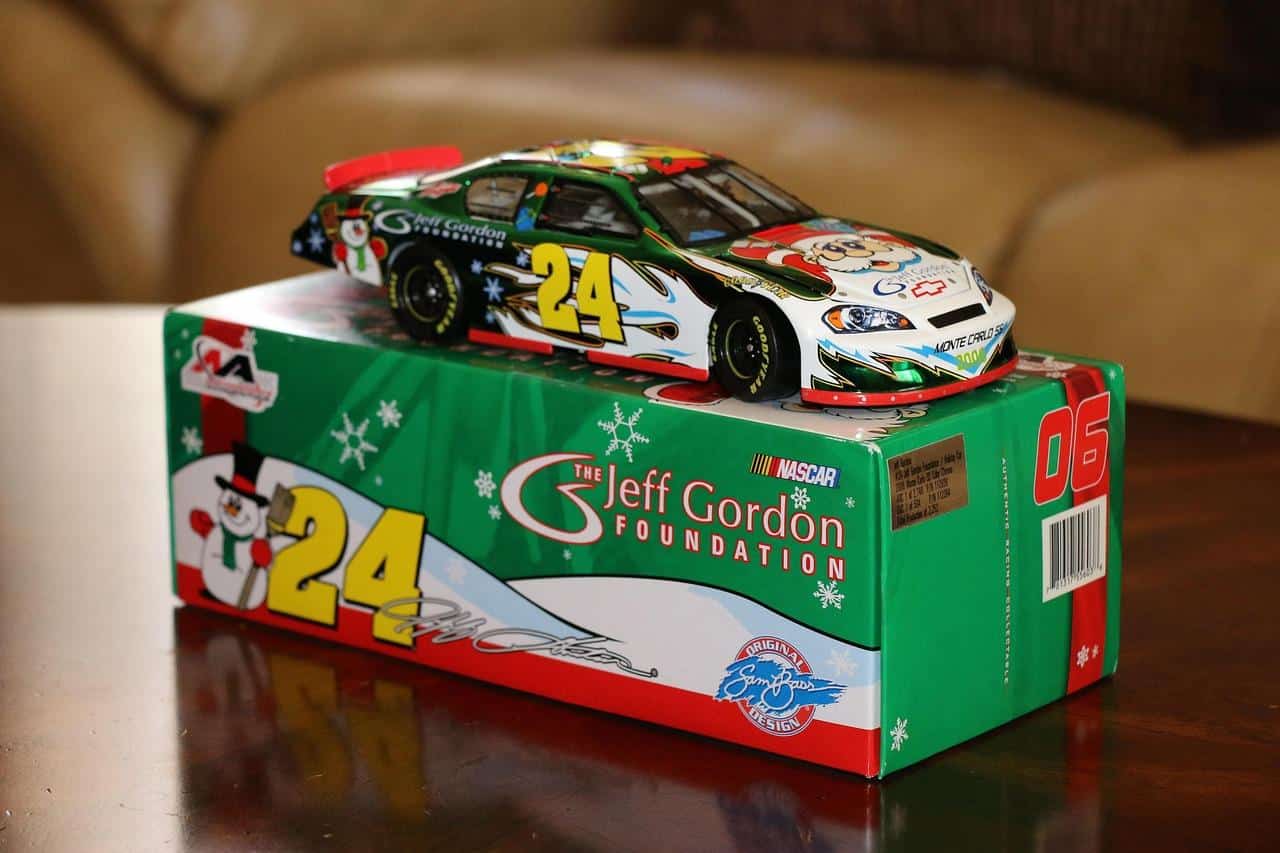
Crack open any old attic trunk or wander a flea market at dawn, and you’ll feel it-that electric jolt when a tin robot winks from a dusty shelf or a porcelain doll peeks out from yellowed tissue paper. Vintage toys and dolls don’t just take up space; they carry stories. They smell like crayons and cedar chests, sound like wind-up keys and squeaky wheels, and look like Saturday mornings on shag carpet. For collectors, that mix of memory and mystery is irresistible.
But nostalgia is only the beginning. There’s the craftsmanship-hand-painted faces, sturdy tin litho, stitched hems-that today’s mass production rarely touches. There’s the thrill of the hunt, the satisfaction of finally finding that elusive variant, the joy of restoring a scuffed teddy to its former charm. And then there’s the cultural history: Barbie’s evolving wardrobes, Star Wars figures that mapped out a galaxy of imagination, bisque dolls that whispered about childhood more than a century ago. Every piece is a time capsule, a small, tangible way to hold the past without a museum badge.
Collectors also love the community that grows around these treasures: the show-and-tell tables, the tip-swapping, the shared gasp when someone lands a grail. Yes, values and price guides matter, but it’s the connection-to our own stories, to design and play, to each other-that keeps us coming back.
Grab a mug and settle in. Here’s why vintage toys and dolls inspire such devoted love, and how they continue to charm new generations-one scuffed shoe and wind-up key at a time.
Table of Contents
- Nostalgia and craftsmanship why vintage toys and dolls capture our hearts
- Rarity, condition and provenance how to spot the real deal and sidestep costly mistakes
- Market trends and pricing where to research values and decide whether to buy, sell or hold
- Care, storage and display practical tips to preserve value and show off your favorites
- Closing Remarks
Nostalgia and craftsmanship why vintage toys and dolls capture our hearts
What makes an old plaything feel like a time machine isn’t just its age-it’s the way it unlocks lived moments. The scuff on a tin robot’s foot, the sun-faded dress on a cloth doll, the faint rattle of a wind-up key-each detail serves as a memory anchor that reconnects us with simpler afternoons on the floor, stories told by grandparents, and the thrill of saving allowance for a treasure. These pieces carry a warmth new items can’t mimic because they’re already steeped in family lore and the gentle wear of countless hands.
- Sensory sparks: The click of clockwork, the feel of bisque or mohair, the scent of old paper boxes.
- Design signatures: Lithographed tin, hand-painted eyes, period-specific colors and fonts that instantly date an era.
- Cultural snapshots: Characters, logos, and motifs that mirror the hopes and humor of their time.
- Bonding power: Passing a beloved figure across generations turns objects into shared stories.
Beyond emotion, there’s the magnetism of fine workmanship. Before mass automation dominated, makers stitched, carved, and cast with a patience you can feel: weighted die-cast cars with honest heft, dolls jointed for natural poses, hand-finished seams and litho patterns that age like art. Many of these toys were built to be mended-screws instead of glue, fabrics that can be darned-inviting a culture of care and repair that modern throwaway goods rarely inspire. In collecting them, we don’t just gather objects; we preserve techniques, celebrate makers, and keep a slower, more intentional kind of play alive.
Rarity, condition and provenance how to spot the real deal and sidestep costly mistakes
Scarcity isn’t just about old age-it’s about short production runs, regional exclusives, and quirky variant details that survived fewer playgrounds than their common cousins. Pair that with condition and you get the real value curve: mint-on-card trumps loose, CIB (complete-in-box) beats “almost complete,” and honest shelf wear is preferable to heavy-handed touch-ups. Train your eye for originality-factory paint has a different sheen than modern restorations, and accessories made decades ago carry distinctive molding lines, weight, and even smell. When in doubt, compare against a trusted reference and assume that missing paperwork or swapped parts will tax the final price.
- Rarity tells: check mold stamps, date codes, country marks, and subtle paint hues that signal a scarce run or early issue.
- Condition cues: look for crisp edges, unfaded decals, tight joints, clear blisters (no yellowing), and uncrushed box panels.
- Original vs. repro: test texture, weight, and gloss; modern repro weapons/accessories often feel lighter and too sharp.
- Completeness: tiny inserts matter-catalogs, twist ties, baggies, and warranty cards can swing value significantly.
Provenance adds confidence and often a premium. A believable chain-old store receipts, dated family photos, show badges, or auction catalogs-beats a good story with no paper. Third-party grading can help, but don’t buy the slab; buy the piece. Cross-check serials, verify pop reports, and ensure the grade matches the photos. Finally, protect your downside: know current comps, set a walk-away number, and favor sellers with transparent return policies. Paying up for traceable history costs less than learning from an expensive lesson.
- Ask for evidence: dated images, sales invoices, or dealer letters on letterhead; match names, dates, and item specifics.
- Request clear media: high-res, natural-light photos of corners, seals, tape, COAs, and close-ups of variant markers.
- Verify grading: confirm cert numbers on the grader’s site; look for tamper-evident cases and consistent subgrades.
- Price sanity: check sold listings (not asks) across multiple platforms; adjust for condition, completeness, and timing.
- Risk controls: use trusted payment methods, insist on insured shipping, and document unboxing in case of claims.
Market trends and pricing where to research values and decide whether to buy, sell or hold
Prices move in waves-often around movie releases, anniversaries, and holiday seasons-so your best ally is a trail of real-world comps. Track completed sales over 90 days, compare condition tiers, and note premiums for boxed, complete, and variant examples. Watch for reissues that temporarily cool originals, and for sudden supply spikes from estate finds. Build a dashboard of reliable sources and set alerts so you’re never chasing yesterday’s news:
- eBay “Sold” and “Completed” listings (filter by condition and include shipping to get true market)
- Auction archives like Heritage, Hake’s, Morphy, LiveAuctioneers, and Invaluable
- WorthPoint for historical comps and images (great for packaging/version ID)
- Collector communities (Facebook groups, Reddit r/toycollecting, specialist forums) to spot micro-trends
- Toy shows and dealer price lists for on-the-ground sentiment and emerging demand
- Manufacturer guides and catalogs to verify variants, run numbers, and accessories
Use a simple buy/sell/hold framework driven by data and timing. Don’t just ask “Is it going up?” Ask: “Is demand broad or hype-driven? Is supply drying up? Do comps confirm my price target?” Then act with intent:
- Buy when comps are steady-to-rising but you’ve found an underpriced, complete example; during off-peak seasons; or when a short-lived panic dip follows a reissue rumor.
- Sell into strength: before/around film tie-ins and anniversaries, Q4 gift season, after grading/encapsulation upgrades, or when inventory across platforms looks thin.
- Hold if the market’s soft from temporary oversupply, if you own a top-condition or rare variant with long runway, or when fees and taxes would erode gains more than waiting would.
Care, storage and display practical tips to preserve value and show off your favorites
Condition is king when it comes to vintage toys and dolls. Handle painted faces, flocked surfaces, and delicate wigs with clean, dry hands or powder-free nitrile gloves to avoid lifting pigments and attracting dust. Keep cleaning dry and gentle: a soft artist’s brush and a microfiber cloth beat moisture every time, especially for composition, bisque, and celluloid that can warp or craze. Aim for a calm microclimate-about 65-70°F and 45-55% RH-and skip attics and basements. For storage, line boxes with acid-free tissue (unbuffered for silk, leather, and wool; buffered for cotton and paper), choose polyethylene or polypropylene containers (never PVC), and separate metal parts to prevent staining. Condition silica gel to ~50% RH for boxes, and practice pest-smart habits without mothballs or cedar oils.
- Gloves on for glossy paint, celluloid, and chrome; clean, bare hands are fine for sturdy plastics.
- Dry dust only: soft brush toward a HEPA vacuum nozzle covered with mesh; no sprays or alcohol.
- Tissue cradles fragile fingers, ears, and hats; avoid rubber bands and newsprint.
- Archival first: acid-free boxes, unbuffered tissue for protein fibers, buffered for paper/cotton.
- Pest watch: use sticky traps, inspect seams of plush; isolate any suspect item in a clean bin.
Showcasing your best pieces should feel like curating a tiny museum-while keeping them safe. Use cool, UV-filtered LED lighting (2700-3000K), add UV film to windows, and keep displays away from vents and kitchens. Vary heights with clear risers, build charming vignettes, and rotate the stars every few months to reduce light exposure. Choose doll stands with padded supports that hug the torso or hips without pinching, and use museum putty to steady bases and tiny accessories. Document provenance with a discreet card or QR label on the shelf-never taped to the object-so the story stays with the piece without touching it.
- Light smart: UV acrylic doors or glazing; aim for low lux and short exposure times.
- Rotate quarterly so faces, fabrics, and decals rest in the dark between displays.
- Risers and neutral backdrops create depth and keep pieces from crowding each other.
- Padded stands only; avoid grips on painted areas or brittle waists.
- Label stories, not surfaces: stand-alone tags, archival sleeves, or shelf-edge notes.
Closing Remarks
As we close the toy chest on this topic, it’s clear that the magic of vintage toys and dolls isn’t just about age or price tags-it’s about stories. It’s the worn paint on a tin robot, the careful stitching on a rag doll, the thrill of the hunt, and the way a small object can open a big door to memory, craftsmanship, and community. Collectors aren’t just buying things; they’re rescuing little pieces of history and keeping them alive for the next set of curious hands.
If this has nudged your nostalgia, start simple: choose one era, one maker, or one character that makes you smile. Learn as you go, connect with other collectors, and let your shelf grow at a pace that feels joyful. The best collections are built on love, not pressure.
Now it’s your turn: what’s the one vintage toy or doll that takes you right back? Do you have a “white whale” you’re still chasing? Share your stories and favorite finds in the comments-I’d love to hear them. And if you’re just getting started, consider this your friendly nudge to peek into that attic or your next flea market. Who knows what treasure is waiting for you?
