
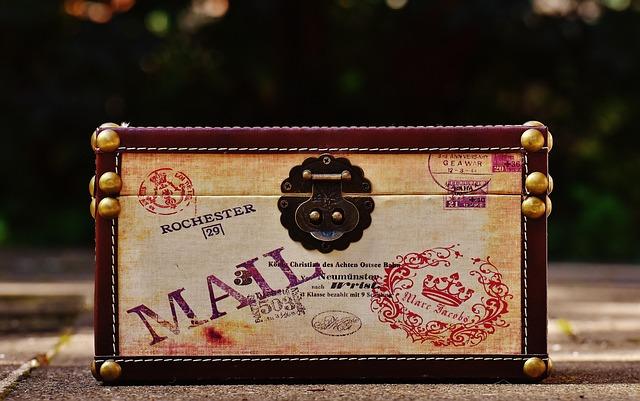
I’ve always had a soft spot for furniture with a past-the kind of pieces that creak a little and wear their history proudly. So when I stumbled across an antique chest at a flea market, scuffed and stoic with brass hardware dulled by time, I knew it was coming home with me. It just needed a new job.
What started as a humble storage trunk is now the most charming corner of our living room: a compact bar cabinet with space for bottles, a perch for glassware, and a lid that lifts to reveal a cozy, glow-up interior. I kept the patina and personality, added practical updates, and turned “just a chest” into everyone’s favorite conversation starter.
In this post, I’ll walk you through exactly how I did it-planning, simple modifications, finishes that protect without erasing character, and a few lessons I learned the fun way. If you’ve got a weekend, a bit of curiosity, and an old piece begging for a second act, you’re halfway there. Let’s open the lid and get started.
Table of Contents
- Finding the right antique chest and mapping a bar friendly layout
- Strengthening the structure and adding bottle cradles, glass rails, and a pull out prep shelf
- Finishes that preserve patina with spill protection, odor sealing, and humidity control
- Smart lighting, hardware, and styling tips for a beautiful, low maintenance home bar
- In Conclusion
Finding the right antique chest and mapping a bar friendly layout
I treated the hunt like matchmaking: the piece had to be charming, sturdy, and ready for late nights. Before falling for any carvings or glossy veneer, I measured my nook and the likely workspace footprint, then opened every drawer and lid to read the chest’s “bones.” The right fit balanced character with usability-room for tall bottles, smooth-moving hardware, and a finish that could handle the occasional splash. I also checked for a neutral scent (spirits don’t pair well with musty notes), and imagined how lighting, liners, and rails could slip in without fighting the chest’s original soul.
- Dimensions: Ensure exterior width/depth suits your wall and leaves door swing/traffic clearance; confirm interior height for 12-14 inch bottles.
- Structure: Solid joinery, no wobble; drawers glide; lid opens fully without binding.
- Patina vs. problem: Stable finish and veneer; avoid flaking or active water damage.
- Hardware: Hinges that stay open safely; consider adding a lid stay or soft-close support.
- Scent check: Skip mildew; cedar or neutral wood is best-can be sealed with shellac if needed.
- Back panel: Thick enough for discreet cable/vent cutouts if you’ll add lighting.
- Mobility & safety: Hidden casters/felt sliders; plan an anti-tip strap if the chest is tall.
Once the chest passed the vibe check, I mapped a bartender’s flow inside it: where bottles live, where glassware hangs, and where tools land after a shake. The goal was a one-step reach for most moves-grab bottle, pour on a wipeable surface, strain into a glass, and stash tools without breaking rhythm. Zones kept it intuitive, while low-profile helpers-like a pull-out mixing shelf, removable liners, and a slim LED strip-made service feel polished without shouting for attention.
- Bottle bay: Tall bottles along the back with a low rail; bitters corralled in a shallow caddy.
- Glass zone: Stem rack under the lid; shelf for rocks/coupes with 4-5 inch spacing.
- Tool drawer: Shaker, jigger, strainers in a tray; magnetic strip for barspoons and opener.
- Prep corner: Cut-to-fit board, absorbent bar mat, and a discreet towel bar inside the door.
- Mixing surface: Pull-out shelf for shaking/stirring that tucks away when not in use.
- Protection & glow: Peel-and-stick liners, felt feet under bottles, and motion-activated LED lighting.
- Safety: Anti-tip strap and optional lock if kids or curious pets roam.
Strengthening the structure and adding bottle cradles, glass rails, and a pull out prep shelf
Before any glam touches, I made sure the old chest could handle cocktail duty. I squared the frame and tucked in hidden hardwood corner blocks with glue and pocket screws, then slipped a 3/4-inch plywood subfloor inside the base to carry the weight of full bottles. Slim oak cleats along the interior walls keep shelves rigid without stealing precious space, and a new birch back panel (vented at the top) quieted rattles and stabilized everything. To preserve the antique feel, I pre-finished parts, eased edges to match the time-softened wear, and used a toned wax to blend fresh wood with the chest’s patina. The result: a sturdy, whisper-quiet cabinet that still looks like it’s been around for stories.
Inside, I built bottle cradles from maple rails with cork-lined saddles, set at a gentle angle so labels face out and corks stay happy. For glassware security, slim brass guard rails run along the front of the upper shelf, spaced on dowel standoffs so stems don’t clink the wood. The star is a pull-out prep shelf on full-extension soft-close slides: a maple board with a shallow juice groove, a front lip to catch runaway citrus, and a hidden magnet under the edge that grabs a bottle opener or bar spoon. It tucks away flush, then slides out to become your mini mise en place-perfect for quick pours and garnish duty.
- Cradle angle: 7-10° to present labels and prevent rolling.
- Rails: 5/16 in brass rod set 1 3/8 in above shelf; clear poly to resist fingerprints.
- Slides: 16 in full-extension soft-close; shelf stops 1/8 in shy of the face frame.
- Lining: Cork or suede where glass meets wood to keep things quiet.
- Finish: Food-safe oil/wax on the prep shelf; satin varnish elsewhere for easy wipe-down.
- Safeties: Discreet screw-in anti-tip bracket at the back and felt bumpers on all touch points.
Finishes that preserve patina with spill protection, odor sealing, and humidity control
To keep that timeworn glow while making it bar‑ready, I worked in layers that protect without plasticizing. I first locked in the character with a thinned coat of dewaxed shellac (1 lb. cut) as a clear barrier-great for quick drying and subtle amber warmth. High-touch zones (lid edge, pull, top lip) got a hush-matte waterborne polyurethane for real spill resistance that doesn’t telegraph a shiny film. The broad faces stayed silky with hardwax oil on the outside, then a whisper of microcrystalline wax buffed to a low luster so the patina still whispers through. Translation: vintage look, modern toughness, and no sticky rings after cocktail night.
- Seal first: Dewaxed shellac to lock in old finishes and unify sheen.
- Film where it counts: Matte waterborne poly on rims, handles, and bar surface.
- Glow everywhere else: Hardwax oil for depth; top with microcrystalline/”Renaissance” style wax.
- Care tip: Use mild soap and a damp cloth-skip citrus or ammonia cleaners.
Inside, the goal is fresh and stable. Musty notes vanish fast with two light coats of clear shellac on the interior walls-an excellent odor sealer that cures in minutes and won’t clash with spirits. Shelves and the base got a satin waterborne poly so spills bead up, and I tucked in discreet humidity control: a rechargeable silica gel canister and thin foam weatherstripping around the lid to tame seasonal swings without making it airtight. A cork or leather mat, sealed on the surface, keeps glassware quiet and drip-safe; a removable bar tray catches the chaos on party nights.
- Odor block: Clear shellac inside; add a charcoal sachet for extra insurance during the first week.
- Spill shield: Two to three thin coats of satin waterborne poly on shelves and tray.
- Humidity helper: Silica gel canister or 58-62% packs; stick-on gasket for a gentle seal.
- Quiet landings: Sealed cork/leather mats and felted bottle coasters.
Smart lighting, hardware, and styling tips for a beautiful, low maintenance home bar
Good light makes old wood feel like a jewel box. I tucked warm-white (2700-3000K) LEDs under the chest’s lip so bottles glow without glare, then added a motion sensor that wakes everything the moment the lid lifts. To protect the patina, I used adhesive channels and rechargeable puck lights-no drilling, no cords. A slim mirror tile at the back doubles the sparkle while a smart plug handles voice control, scenes, and schedules. Keep it low-fuss by choosing sealed fixtures and wiping them down when you recharge; it’s like a mini “service interval” for your bar.
- Layered lighting: one strip for ambient glow, one focused puck over your mixing area.
- Hands-free: door- or lid-activated sensor so lights only run when you’re pouring.
- Cable tamer: felt-backed clips and a discreet grommet sticker to hide any leads.
- Smarter habits: automate a “cocktail hour” scene and a midnight shutoff for peace of mind.
- Finish-friendly: choose matte diffusers to reduce fingerprints and dust visibility.
Hardware is where vintage meets everyday ease. A soft-close lid support protects glassware (and fingers), hidden casters make cleaning simple, and magnetic catches keep doors aligned. I echoed the chest’s age with brushed brass pulls but picked a fingerprint-resistant finish and sealed the top with a clear, water-ring-proof protector. Styling stays unfussy: corral tools on a tray, decant the bottles you reach for most, and swap fragile decor for wipeable surfaces and evergreen elements like dried stems or a petite lamp.
- Low-care surfaces: silicone bar mat by the shaker, washable linen towel, and coasters that stack neatly.
- Space savers: tension-rod glass rack, door-mounted rail for strainers and spoons, and a lazy Susan for bitters.
- Spill-smart: drip-resistant pourers with caps; keep a small “clean kit” (microfiber + spray) in a side bin.
- Cohesive look: limit the palette to wood, one metal, and one accent color for instant polish.
- Protect the heirloom: felt feet under trays and a removable clear top to shield the wood from rings and citrus.
In Conclusion
And that’s a wrap on my antique-chest-turned-bar-cabinet makeover. I love that it still wears its history-the nicks, the brass, the old-world charm-while secretly hiding all the happy-hour essentials inside. It’s proof that you can honor a piece’s story and still make it work hard in a modern home.
If you’ve got a trunk or chest collecting dust, consider this your sign to give it a second act. Measure your bottles and glassware first, keep the structure solid, and don’t be afraid to mix old patina with a few shiny upgrades. And if a bar’s not your thing, this same setup works beautifully as a coffee station, tea nook, or craft cabinet.
Tried something similar? I’d love to see it-share a pic and tag me! Got questions about the hinges, the liner, or the shelving layout? Drop them in the comments and I’ll help troubleshoot. If you want my cut list and sources, say the word and I’ll send them your way.
Thanks for hanging out with me on this flip. If you enjoyed it, save this post for later and stick around-next up, I’m turning a curbside find into an entryway showstopper. Cheers!
