
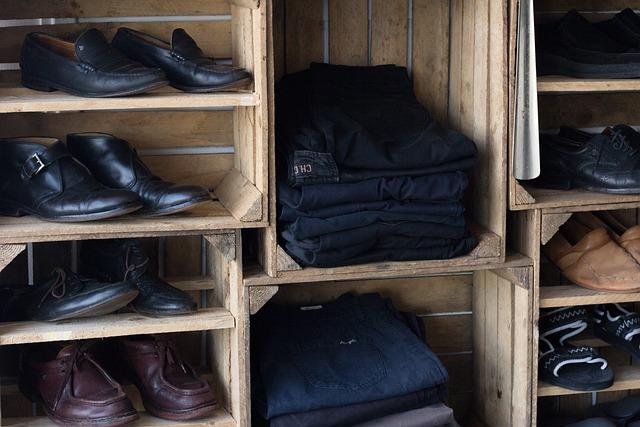
Canvas totes in hand and sun hats tilted just so, weekend crowds are flocking to local festivals not just for food trucks and live music, but for a surge of thrift and vintage booths turning fairgrounds into open-air treasure hunts. As secondhand shopping moves from niche to mainstream-driven by tighter budgets, sustainability concerns, and a taste for one-of-a-kind style-these pop-up vendors are becoming headline attractions.
Over the past two months, we visited a dozen regional festivals, walked the aisles at dawn load-in, and spoke with vendors and shoppers about what makes a booth stand out. From Y2K denim walls to heritage workwear, mid-century housewares to repair-on-site jewelry, the best setups balance sharp curation with fair pricing and clear labeling. Size inclusivity, knowledgeable staff, and small touches-like steaming garments, fabric content tags, and try-on mirrors-also separated the merely good from the can’t-miss.
In the guide that follows, we spotlight the booths earning repeat lines and repeat customers, noting what they specialize in, typical price ranges, how often they restock during a festival day, and whether they take cards or cash. Whether you’re hunting a concert tee, a bias-cut slip, or a set of smoky lowballs, these are the vendors turning local festivals into destination shopping-no algorithm required.
Table of Contents
- Where to find standout vintage booths this festival season
- How to spot authentic quality and era details in thrift finds
- Top recommended vendors and hidden gems at local festivals
- Smart bargaining and care tips to make your finds last
- The Way Forward
Where to find standout vintage booths this festival season
Local festival circuits are quietly becoming mini vintage districts, with independent resellers clustering where foot traffic is strongest. Watch for heritage fairs, record swap pop-ups, and artisanal night markets that publish vendor maps in advance-prime spots tend to be along main concourses, near beverage gardens, and beside popular live-music stages. Early arrivals snag statement pieces, but savvy latecomers score from midday restocks after social posts drive demand. Cross-check vendor lists with Instagram; sellers teasing “fresh drops,” “deadstock,” or “archive pulls” usually bring their A-game.
- Transit-adjacent festivals: Booths near shuttle stops and transit gates often host top-tier curators aiming for quick turnover.
- Mixed-media markets: Events pairing vinyl, posters, and design collectives attract vendors with vetted, era-specific racks.
- University neighborhoods: Pop-ups near campuses trend toward Y2K, workwear, and early-2000s streetwear in strong sizes.
- Historic downtown fairs: Expect better tailoring, classic denim, and accessories from estate hauls.
Once on site, scan for visual cues that signal quality curation: branded garment tags, cohesive color stories, and clear pricing on every piece. Sellers who offer mobile pay, garment measurements, and on-the-spot repairs usually run professional operations. Ask about provenance and laundering; reputable booths can cite fabric content, single-stitch vs. double-stitch telltales, and period-correct hardware. If the festival deploys geo-tagged maps, filter by “vintage,” then prioritize vendors with shade structures (better preservation) and fitting mirrors for quick try-ons.
- High-turn racks: Frequent re-hangs indicate steady sales and fresh inventory rotations.
- Accessory dens: Look for belts, scarves, and sunglasses-often the best margins and rarest finds live here.
- Repair stations: Onsite darning or patching suggests authenticity and care for textiles.
- Local stalwarts: Longtime dealers listed on the festival’s site tend to anchor the best clusters-start there, then spiral out.
How to spot authentic quality and era details in thrift finds
Veteran vendors say the quickest authenticity check starts with construction. Look for natural fibers with a dry hand (cotton, wool, silk), metal zippers (Talon, Scovill), hand-finished or pinked seams on mid-century pieces, and bound or French seams on quality dresses. Labels tell stories: union marks (ILGWU, ACWA), early brand typography, and country-of-origin shifts can place an item in time. Hardware and finishing matter-real horn or shell buttons, keyhole buttonholes, and pattern-matched plaids at pockets and side seams signal better make. Authentic wear presents as even patina-softened collars, oxidized metal, sun-faded shoulders-rather than abrupt “factory” distressing.
- 1930s-40s: Side metal zips on dresses, rayon crepes, strong shoulders, wartime utility details.
- 1950s: Nipped waists, circle skirts, cotton sateens, metal zips, early lot-size tags.
- 1960s: Shift silhouettes, mid-decade move to nylon/plastic zippers, mod prints, early fiber-content tags.
- 1970s: Standardized care labels arrive, polyester knits, earthy palettes, boho embroidery.
- 1980s: Oversized cuts, shoulder pads, serged seams become common, power suiting.
- 1990s: Single-stitch tees (early-mid decade), heavyweight cotton, giant graphics, made-in-USA/Mexico transitions.
- Denim tells: Pre-’71 Levi’s Big “E” tabs, chain-stitched hems, selvedge outseams, copper rivets with period-correct backs.
For quality, flip items inside out. Consistent stitch density, clean overlock or binding, and full linings that hang smoothly beat reprints every time. Check collar stands, armhole shape, and grain alignment to spot later reproductions with sloppy cuts. Scrutinize tags for modern fonts on “vintage” pieces, freshly serged interiors on supposed mid-century dresses, and brand reissue labels. Leather should show supple creasing (not cracked paint), hardware should feel weighty, and prints should be dyed-in rather than vinyl-shiny. Quick field tools: a tape to measure authentic high rises, a loupe for print dots (repro tells), and your nose-mothball and storage notes are normal; sharp chemical dye smells often aren’t.
Top recommended vendors and hidden gems at local festivals
Across weekend markets, several traveling stalls are setting the pace with tight curation, fair pricing, and quick checkout. Buyers report reliably labeled sizes, repair trays at the counter, and early-bird drops that sell through before lunch. Watch for denim under $45, prairie and cottage blouses at $20-$35, and heritage workwear hovering $60-$90. Field checks also note more booths taking tap-to-pay, while offering a small cash discount during rush hours.
- Rust & Ruffles: Selvedge denim, French chore coats, and chain-stitched initials on request; posts first-drop racks by 10 a.m.
- Velvet Yard Sale: 1990s streetwear and band tees with provenance cards; bundle pricing (3-for-$50) and UV-tested fades on display.
- Sunbleach Archive: Linen sets, eyelet, and prairie dresses with pinned condition notes; mirror and shade canopy for try-ons.
- Switchyard Supply: Size-inclusive workwear, Red Wing and logger layers; free hemming demo at 2 p.m.; accepts cards and early-entry holds.
- Film Grain Finds: Tested Polaroids and point-and-shoots with same-day sample shots; 7-day function guarantee and spare batteries at cost.
Away from the main aisles, under-the-radar tents are quietly winning the weekend. Look for handwritten signs, late-arriving vans near the back fence, and bins “not out yet.” Vendors say the best grabs hide in under-table totes and repair corners; ask to see “projects” for marked-down pieces needing a quick stitch. Expect flexible pricing, especially on rain-threat afternoons, and bring small bills for swift deals.
- The Hemline Hospital: On-the-spot mends, missing-button fixes, and sashiko patches while you browse; most repairs $8-$15.
- Deadstock Depot: NOS union-tag tees and workwear from shuttered mills; multiple sizes of the same model for true grading.
- Backlot Estate Cart: Estate-pick tote drops after noon; cash preferred; frequent “buy-two, pick-one from the bin” promos.
- Club ReWear: Student-curated micro-trends (mesh, ribbon-trim, Y2K cargos) with price caps under $25; pop-up fitting tarp.
- Patch & Dispatch Airstream: Visible-mending demos and take-home kits; 10% off if you stitch at the booth before purchase.
Smart bargaining and care tips to make your finds last
Vendors at neighborhood fairs consistently report that informed, courteous shoppers secure the best deals. Arrive early with reference photos, inspect labels and seams, and keep conversation friendly but focused-most booth owners value serious interest and will work with you. Ground rules that keep negotiations smooth and prices fair include:
- Lead with curiosity: Ask about maker, era, and material; provenance talk signals you’re not flipping blindly.
- Bundle decisively: Pull 2-4 pieces and ask, “What’s your best on the lot?” Bundling often unlocks a better rate than item-by-item haggling.
- Use comps lightly: Show a comparable sale only to anchor fairness, not to strong-arm; respect unique condition and festival overhead.
- Cash talks: Politely mention cash payment; a 10-15% consideration is common at outdoor booths.
- Time your bid: Early hours win rare pieces; the final hour brings movement on mid-tier stock.
- Price the flaws: Note missing buttons, hem wear, or tiny stains and request a modest adjustment-always with a smile.
- Know the floor: If the counter stalls, ask for a short hold and loop back before close; relationships matter for future finds.
Once home, preservation starts immediately-simple, consistent care turns a lucky score into a long-term staple. Sellers and conservators alike recommend stabilizing first, then cleaning, then storing with breathable protection tailored to the fabric:
- Quarantine and de-bug: Seal in a breathable bag, then steam seams or freeze 48-72 hours to deter moth eggs before closet entry.
- Spot-test and hand-wash: Cold water with wool/silk-safe soap; never wring. Denim: inside-out, minimal detergent, line dry to preserve fades.
- Reshape and support: Dry flat for knits; use padded hangers for tailored jackets to protect shoulders and canvassing.
- Leather: Apply pH-balanced conditioner sparingly; avoid heat and plastic covers. Store with breathable dust bags.
- Hardware and trims: Microfiber wipe; a thin museum wax on brass slows tarnish. Skip harsh polish on plated parts.
- Climate control: Aim for ~50% humidity, steady temps, and low light. Use cedar or lavender-not mothballs-for deterrence.
- Smart repairs: Reinforce weak seams with cotton thread, replace fragile elastic, and keep original buttons in a labeled envelope.
- Archive storage: Fold knits with acid-free tissue; hang wovens in breathable bags; rotate wear to reduce stress on vintage fibers.
The Way Forward
From handpicked denim to era-defining accessories, the season’s standout booths show just how strong the local vintage scene has become. Schedules and vendor lineups can change quickly, so check official festival sites and vendors’ social feeds before you go.
For the best shot at first finds, arrive early, bring small bills or tap-ready cards, and pack a reusable tote. Be prepared for changing weather, ask before photographing items, and respect posted prices and hold policies. Beyond the thrill of the hunt, each purchase keeps dollars in the community and gives great pieces a second life. With more festivals on the calendar, expect fresh inventories and new names to watch in the weeks ahead. Happy thrifting.
