
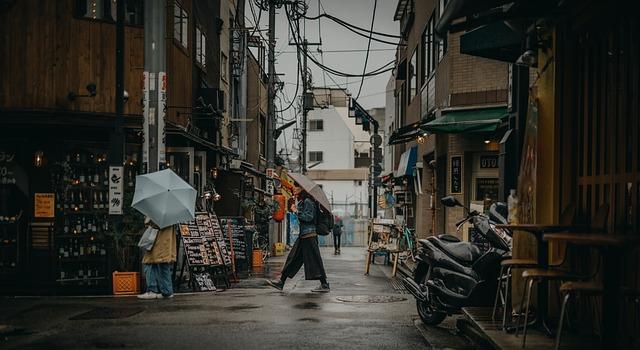
Think Tokyo is all neon and next‑gen? Wait until you spend a morning rummaging through its flea markets. Between temple courtyards and city plazas, you’ll find a treasure trail that runs from Meiji‑era prints and indigo boro textiles to vintage kimonos, mid‑century tableware, retro toys, and streetwear gems you won’t see back home. It’s the side of Tokyo where stories are stitched into hems and patina is a selling point.
This guide is your passport to the city’s best rummage spots-Oedo Antique Market mornings, Setagaya’s storied Boro‑ichi, sprawling weekends at Oi Racecourse, and the pop‑ups where stylists score designer cast‑offs. We’ll cover what to expect, how to bargain politely, when to go (because schedules can be quirky), and what to pack so you can shop like a local. Whether you’re hunting for heirloom ceramics or a perfectly faded work jacket, consider this your map to the good stuff-sustainable, affordable, and uniquely Tokyo. Ready to treasure‑hunt?
Table of Contents
- The best Tokyo flea markets to hit now Oedo Antique Market at Tokyo International Forum, Hanazono Shrine Sundays in Shinjuku, Raw Tokyo in Aoyama, and Setagaya Boro Ichi in Dec and Jan
- What to hunt from antiques to fashion Edo ceramics mingei lacquer kimono and yukata vintage Levis and Harajuku streetwear with quick authenticity checks
- Plan like a pro Arrive by 9 AM bring small bills ride JR to Yurakucho or Tokyo Metro to Omotesando and find ATMs at convenience stores nearby
- Shop smarter Friendly bargaining tips cash vs Suica Pasmo packing and shipping fragile finds and nearby cafés for a well earned break
- In Summary
The best Tokyo flea markets to hit now Oedo Antique Market at Tokyo International Forum, Hanazono Shrine Sundays in Shinjuku, Raw Tokyo in Aoyama, and Setagaya Boro Ichi in Dec and Jan
If you’re hunting for heirloom ceramics one minute and upcycled runway finds the next, Tokyo’s open-air bazaars deliver. From a sprawling plaza downtown to a shrine-side stroll and a once-a-year street epic, each stop has its own pulse-so plan your route, pack some yen, and let serendipity do the rest.
- Oedo Antique Market (Tokyo International Forum): Japan’s granddaddy of antique fairs-think Edo-Meiji ceramics, kimono textiles, woodblock prints, brassware, and mid-century curios in a photogenic glass-plaza setting.
- Hanazono Shrine (Shinjuku, Sundays): A charming shrine market where you’ll find compact treasures-vintage toys, coins, obi belts, small lacquerware-and plenty of old-Tokyo atmosphere.
- Raw Tokyo (Aoyama): A curated fashion-forward market with vintage denim, designer archive pieces, indie labels, and sustainability-minded sellers; expect DJs, great coffee, and a cool crowd.
- Setagaya Boro Ichi (Setagaya, winter): A 400+ year tradition spanning several blocks-rags-to-riches in spirit, with folk antiques, handmade goods, daruma dolls, and festival snacks, held mid-December and mid-January.
Timing is everything: arrive early for the rarest grabs and lighter crowds, and always confirm dates-some events are weather-dependent or irregular. Bring cash (small bills), a tote, and bubble wrap for breakables; most stalls are delightfully analog. For an easy day: start at Oedo for big-ticket finds, weave through Hanazono for shrine-side gems, block out a stylish afternoon at Raw Tokyo, and save winter weekends for the once-a-year magic of Setagaya.
- Pro tips: Check official calendars the week of; markets can shift or cancel last-minute.
- Go light: Wear comfy shoes, carry a foldable tote, and keep hands free for rummaging.
- Haggle kindly: Polite bargaining is fine-smiles and small discounts go further than hard pushes.
- Fuel up: Street snacks and nearby cafes keep energy high; hydrate in summer, layer in winter.
- Ship it: For bulky buys, ask about local courier services or pack flat textiles at the bottom of your luggage.
What to hunt from antiques to fashion Edo ceramics mingei lacquer kimono and yukata vintage Levis and Harajuku streetwear with quick authenticity checks
Treasure-hunting in Tokyo’s flea markets is a tactile tour of Japanese design history and subculture cool. Seek heirloom-worthy tableware like Edo-era Imari and Arita bowls with soft underglaze blues, rustic Bizen/Shigaraki stoneware with kiln-kissed textures, and soulful mingei finds-everyday folk pieces in lacquer and wood that were made to be used. Float between textiles: silken kimono with shibori, kasuri, or katazome patterns, breezy cotton yukata for summer, and then pivot hard into denim and street: vintage Levi’s 501s with real wear, plus Harajuku icons-BAPE, UNDERCOVER, WTAPS, NEIGHBORHOOD, COMME des GARÇONS, Yohji, Kapital, even Visvim-that surface in the wild more often than you’d think.
- Edo ceramics: Look for a slightly gritty, unglazed foot ring, tiny kiln spur marks, hand-painted asymmetry, and honest gold/ruby overglaze wear on Imari; overly bright whites and perfectly repeated motifs often signal modern transfers.
- Mingei lacquer: Real urushi has depth-chip edges show multiple layers over a wood core, not uniform plastic. A soft, warm sheen beats mirror-gloss; rubbed “negoro” (red over black) should reveal organic wear, not printed scuffs.
- Kimono & yukata: Hand-stitching is slightly irregular; linings and collars should feel substantial. Kamon crests are dyed or woven, not shiny prints. Indigo cotton yukata feel crisp and breathe; polyester masqueraders are slick and squeak.
- Vintage Levi’s: Pre-’71 Big E red tab, redline selvedge outseams (pre-mid-’80s), hidden back-pocket rivets (pre-’66), chain-stitched hems with “roping,” a V-stitch at the fly, and a slightly off-center back belt loop are green flags.
- Harajuku streetwear: BAPE wash tags should be crisp with clean fonts and (on newer pieces) the hologram ape head; UNDERCOVER often includes season codes (UC-xx). Check weighty fabrics, tight stitching, correct zipper brands, and woven labels that don’t fray like paper. If the price is unbelievable, it usually is.
For a quick sweep before you commit, trust the trifecta: materials, construction, wear. Natural fibers age with grace, handwork leaves human traces, and authentic pieces rarely look “perfect.” Bring a small flashlight, a magnet (for hardware tests), and your phone for label checks-then let your hands do the deciding.
Plan like a pro Arrive by 9 AM bring small bills ride JR to Yurakucho or Tokyo Metro to Omotesando and find ATMs at convenience stores nearby
Beat the rush and snag the gems by rolling up right around 9 AM. Sellers are still unpacking, early-bird dealers haven’t scooped the best pieces yet, and you’ll have room to browse without elbow traffic. Grab a quick coffee en route, toss a foldable tote in your bag, and keep a light layer handy-most markets are open-air and mornings can shift from crisp to sunny fast. When it’s time to pay, small bills are your secret weapon; they make bargaining smoother and help vendors make change quickly, so you can seal deals with a smile and move on to the next stall.
- Getting there: Ride JR to Yurakucho for the Tokyo International Forum antiques scene, or hop the Tokyo Metro to Omotesando for stylish pop-ups and weekend treasure hunts nearby.
- Tap-and-go transit: Load up a Suica/PASMO card to glide through gates and jump between lines without fumbling for tickets.
- Cash game: Aim for ¥100/¥500 coins and ¥1,000 notes. Need a top-up? 7‑Eleven, Lawson, and FamilyMart convenience stores around stations usually have reliable ATMs, often with international support.
- Smart kit: Compact tape measure, phone photos for size/color matching, bubble wrap or a scarf for delicate finds, hand wipes, and a lightweight tote or backpack.
- Fuel plan: Pack water and a snack; queues for food can spike late morning when the crowds roll in.
When you spot “the one,” ask prices politely and keep it friendly: a simple “Ikura desu ka?” works wonders, and if you’re bundling, try “Chotto yasuku narimasu ka?” with a grin. Offer a fair number and hold up exact cash-small bills help you land a quick yes. Respect the display, let vendors handle fragile pieces, and confirm any quirks or repairs before you pay. If you’re on the fence, circle back; some sellers trim prices closer to midday, but the best finds rarely wait. With the right route, a stocked wallet, and easy access to nearby ATMs, you’re set to shop like a local and leave with stories stitched into every piece.
Shop smarter Friendly bargaining tips cash vs Suica Pasmo packing and shipping fragile finds and nearby cafés for a well earned break
Work the stalls with warmth and tact: a smile, a quick “ohayō” in the morning, and light curiosity go further than hard haggling. Aim for small, respectful nudges-think 5-15%-and try bundling pieces for a friendlier price. Cash is still the smoothest path at most markets, but Tokyo’s IC cards shine for snacks and trains between venues. Keep a coin purse ready; vendors appreciate exact change, and you’ll move faster when it’s busy.
- Polite phrases: “Mō sukoshi yasuku narimasu ka?” (Could it be a little cheaper?) and “Setto de ikura desu ka?” (How much for the set?).
- Timing: Early birds snag the best finds; late afternoon can unlock end-of-day deals.
- Cash vs IC: Bring small bills and ¥100/¥500 coins. Suica/PASMO are handy around the venue, but individual sellers may be cash-only.
- Top-ups & ATMs: 7‑Eleven, FamilyMart, and Japan Post ATMs accept foreign cards; most stations let you top up IC cards with cash.
- Etiquette: Don’t lowball or point out flaws aggressively-ask, listen, and appreciate the story behind the piece.
Secure the treasures you score: pack like a pro and ship when it’s bulky. Wrap ceramics and glass individually (paper, cloth, or bubble wrap), then double-box with cushioning so items “float.” Mark boxes clearly with “Fragile/ワレモノ” and “This Side Up/天地無用.” For shipping, Yamato (Kuroneko) TA‑Q‑BIN and Japan Post’s Yu‑Pack/EMS are reliable, and most convenience stores can process domestic and international parcels. When your shoulders need a breather, slip into a quiet kissaten or specialty roaster near the venue-perfect for labeling, repacking, and admiring your haul.
- Packing kit: Folded tote, tape, zip bags, soft scarf or socks for padding; ask vendors for newspaper.
- Shipping options: Yamato for hands-free travel and airport delivery; Japan Post for cost‑effective international via EMS.
- Paperwork: Keep receipts; know size/weight limits; declare materials (wood, liquids, batteries) if asked.
- Refuel smart: Look for “喫茶” (kissaten) and neighborhood bakeries that open early; cafés around stations are ideal for a quick sort-and-wrap session.
In Summary
Whether you’re hunting for a Meiji-era trinket or a one-of-a-kind vintage jacket, Tokyo’s flea markets are all about the thrill of the find and the stories behind them. Take your time, follow your curiosity, and let the stalls lead you-you’ll be surprised by what you uncover.
Before you head out, a quick reminder: dates can shift with weather and events, so double-check schedules, bring small cash and a roomy tote, wear comfy shoes, and pack your patience. Arrive early for the rare stuff, linger late for friendly deals, and don’t forget that a smile and a simple arigatou go a long way.
If you score something amazing, I want to see it! Share your haul, drop a comment with your favorite market, or pass this guide to a friend who loves a good treasure hunt. Bookmark this for your next Tokyo trip-new markets pop up all the time. Happy hunting, and see you between the shrine gates and the clothing racks!
