
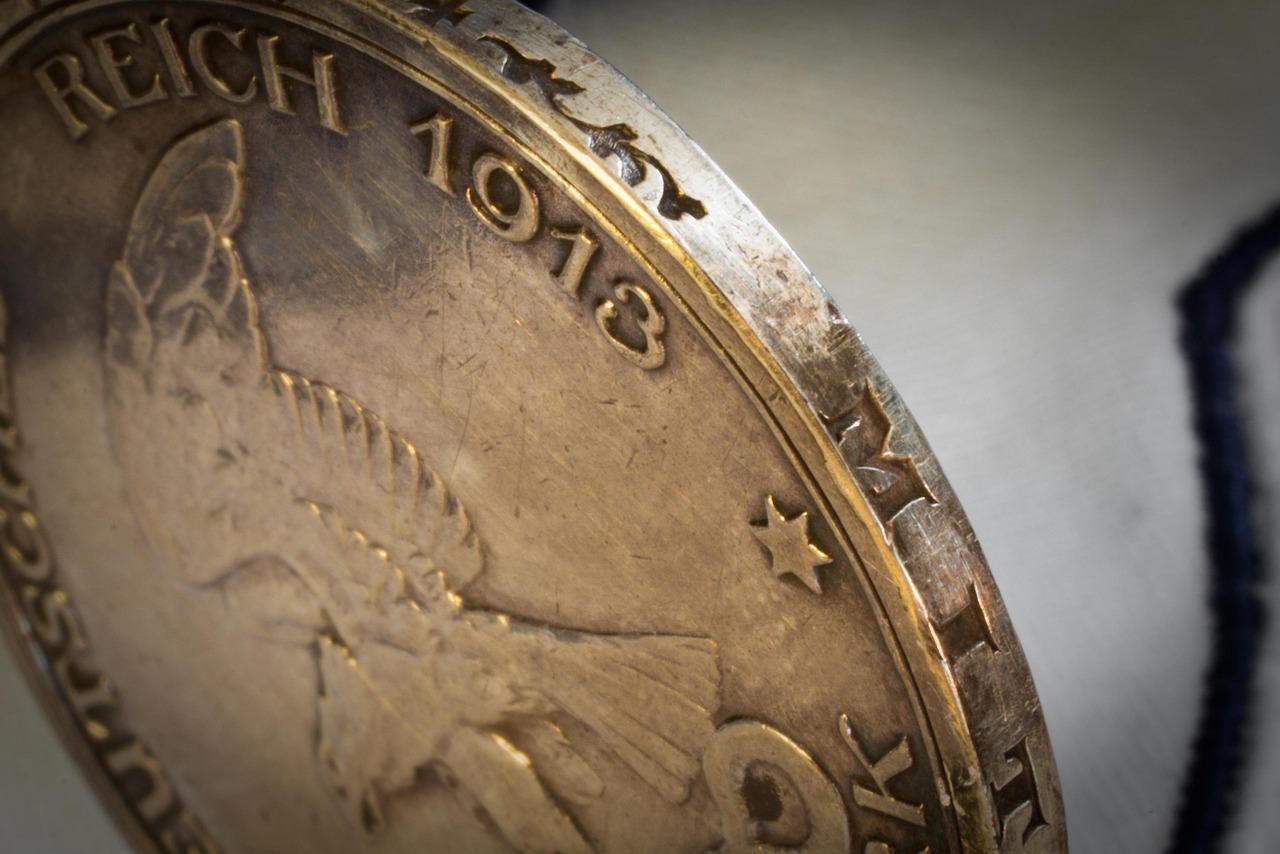
Take a coin out of your pocket and really look at it. That tiny disc has been a ticket on trade routes, a billboard for kings and causes, a time capsule of art and technology. Banknotes and coins aren’t just ways to buy coffee; they’re storytellers, carrying tales of empires and revolutions, of invention and identity, of what we value and what we fear.
From cowrie shells crossing oceans to Roman denarii funding legions, from Chinese cash coins strung through markets to polymer notes with see‑through windows and microtext, money has always been a mirror of the moment. Portraits and symbols are never accidental. A whale on Iceland’s krona, a writer on a Nigerian naira, a bridge on the euro-they’re choices about who we are. Even the way money fails or changes tells a story: hyperinflation notes that climbed into the trillions, demonetizations that reset economies overnight, tap‑to‑pay and QR codes accelerating during a pandemic.
In this article, we’ll tour the world through its wallets-no currency conversion required. We’ll explore how design doubles as propaganda, how security features trace the march of science, how trade and migration leave fingerprints on language and imagery, and how digital cash is rewriting the plot. By the end, you might never glance at spare change-or your payment app-the same way again. Ready to let your money talk?
Table of Contents
- Decoding culture in everyday currency: symbols scripts watermarks and what to look for
- Design shifts that mirror history: why portraits fonts and security features change and how to read them
- Start a meaningful collection on a budget and with ethics: where to buy how to verify and how to avoid counterfeits
- Preserve and share your finds the right way: archival sleeves cotton gloves silica gel low humidity and do not clean coins
- Closing Remarks
Decoding culture in everyday currency: symbols scripts watermarks and what to look for
Every banknote and coin is a pocket-size museum label-its imagery curated to broadcast identity, memory, and aspiration. Look closely at the coats of arms, flora and fauna, and architectural motifs: they’re not decoration, they’re declarations. Scripts themselves speak volumes; the presence of bilingual or multilingual text, the flourish of calligraphy, or the choice between Latin, Cyrillic, Arabic, Devanagari, or Han characters marks histories of empire, migration, and revival. Even color carries meaning: revolutionary reds, maritime blues, royal purples. And where numbers appear, note whether they’re Arabic-Indic, Eastern Arabic, or stylized regional numerals-each a signpost to cultural lineage.
- Emblems and mottos: national seals, mythic creatures, and phrases that reveal founding values.
- People featured: warriors vs. poets vs. scientists signals what a nation chooses to celebrate.
- Landscapes and landmarks: mountains, mosques, temples, bridges-geography as identity.
- Scripts and diacritics: spot language hierarchies, revived alphabets, and indigenous names.
- Edge and rim text (coins): hidden mottos and dates where you least expect them.
Security features double as storytelling tools. Watermarks often echo portraits or symbols tied to statehood; microprinting hides slogans, poems, or legal clauses; intaglio printing leaves raised ink you can feel-tactility as trust. Security threads, see‑through registers, holograms, and UV inks build a visual grammar that’s both anti-counterfeit and pro-culture. Serial number formats, signatures of central bank governors, and sudden shifts in design whisper of economic swings, policy pivots, or regime changes. Treat your wallet like an archive and read it with light, touch, and curiosity.
- Hold to the light: look for portraits or patterns in the watermark and a continuous security thread.
- Tilt and scan: holograms, color‑shifting inks, and iridescent bands reveal emblems and dates.
- Feel the surface: raised intaglio on numbers, names, or crests-often used for accessibility.
- Go micro: use a loupe to find microtext-quotes, laws, or bank names hidden in borders.
- Check scripts and numerals: identify language layers and numeral systems to map cultural reach.
- Align both sides: see‑through registers and perfectly matched motifs signal careful craftsmanship.
- Inspect coin edges: milled, lettered, or patterned rims often carry subtle national cues.
Design shifts that mirror history: why portraits fonts and security features change and how to read them
Portraits and fonts are the wardrobe and voice of money-they change when a nation wants to signal a new era, honor different heroes, or distance itself from the past. After revolutions, reforms, or reunifications, faces rotate, uniforms soften, and crowns become caps; type moves from ornate serifs to clean sans or back again, mirroring swings between tradition and modernity. Even subtle tweaks-an added diacritic, a gentler gaze, a secondary script-can announce cultural inclusion or a shift in official language policy. To “read” these cues like a historian, scan for the quiet details that outlast headlines:
- Direction and pose: forward-looking profiles often hint at optimism; rigid busts can nod to authority or continuity.
- Clothing and symbols: laurel wreaths, industrial gear, native flora/fauna-each telegraphs the era’s values.
- Type choices: serif = heritage and institutions; sans-serif = progress and tech; script/blackletter = identity and revival.
- Script mix: the presence and order of languages reveal who’s being addressed-and who’s newly included.
- Date and series marks: signatures, series years, and mint marks time-stamp policy changes without a press conference.
As printing tech evolves, so do the defenses; security features are a running conversation between designers and counterfeiters. New series adopt polymer for durability, embed windows and metallic threads, and layer effects you can verify in seconds-no lab needed. Treat every note like a mini field kit and use three senses-look, tilt, feel-to confirm authenticity. Older and newer issues often circulate together, so compare patterns rather than relying on a single trick:
- Feel: raised intaglio ink on portraits and numerals; polymer’s distinct snap and smooth windows.
- Tilt: color-shifting ink, holographic foils, and rolling bars should animate or change hue as you move the note.
- Look through: watermarks and see‑through registers align to form complete images in transmitted light.
- Light: under UV, threads and inks glow in specific colors and patterns-random glow is a red flag.
- Magnify: microprinting and latent text hide in borders and portraits; fuzzy lines suggest fakes.
- For accessibility: tactile marks and stepped sizes help quick identification-missing or inconsistent cues can be telling.
- Cross‑check: serial numbers, alignment of fine guilloches, and register precision should be crisp and consistent.
Start a meaningful collection on a budget and with ethics: where to buy how to verify and how to avoid counterfeits
Build purpose into your hunt by choosing a theme-women on banknotes, post-colonial currencies, or a single mint’s output-then set a monthly cap and track it. Value isn’t only price; it’s story and provenance. Shop where transparency thrives and laws are respected: ask about sourcing, export permits, and written receipts. Focusing on circulated grades or mixed “dealer junk boxes” can stretch your budget without sacrificing meaning, and you’ll avoid fueling demand for looted material by insisting on traceable origins and dealer codes of ethics.
- Local coin shops & club shows: Fair prices, face-to-face advice, and a chance to learn. Look for posted return policies.
- Reputable online dealers/marketplaces: VCoins, MA‑Shops, or dealers with memberships (ANA, IBNS). On eBay, buy from sellers with detailed photos and strong feedback.
- Auctions with archives: Heritage, Stack’s Bowers-past results help you bid smart; check lot notes for provenance and authenticity guarantees.
- Banks & circulation hunts: Roll-search modern coins or ask for foreign rejects-low-cost and surprisingly educational.
- Estate and charity sales: Ethical reuse with room to negotiate; bring a loupe and a basic ID guide.
Verify before you valorize: learn the look, weight, and feel of genuine pieces, and document every purchase. Keep a small toolkit and compare candidates to trusted references; for higher-value items, prefer slabbed examples from PCGS/NGC or buy with a written guarantee. For notes, check watermarks, security threads, and microprinting; for coins, examine edges, fonts, and die details. Protect yourself with buyer-friendly payment methods and walk away from prices that seem magical-because counterfeits often do, too.
- Toolkit: 10× loupe, digital scale (0.01 g), calipers (0.01 mm), small magnet, UV light for banknotes.
- References: Standard Catalog of World Coins/Bank Notes, mint reports, auction archives; bookmark museum images.
- Provenance & paperwork: Ask for prior sales, receipts, and any export permits; avoid items lacking context, especially ancient material (mind UNESCO 1970 and local laws).
- Seller signals: Clear return policy, detailed photos, consistent descriptions, association memberships.
- Red flags: Too-perfect surfaces, wrong weight/diameter, soft details, reused stock photos, pressure to pay via wire/crypto only.
Preserve and share your finds the right way: archival sleeves cotton gloves silica gel low humidity and do not clean coins
Your discoveries deserve museum-level care at home. Handle pieces by the edges with cotton gloves, slide them into inert, acid-free archival sleeves (Mylar or polypropylene, never PVC), and give them a calm environment. Coin metals are sensitive to moisture and pollutants, so aim for low humidity and keep conditions steady. Resist the urge to “shine things up”-that natural surface tells history, and altering it can erase value and evidence. When in doubt, remember: do not clean coins.
- Choose inert holders: acid-free flips, capsules, or archival sleeves.
- Handle safely: wear cotton gloves and touch only the edges.
- Control climate: low humidity (around 35-55%) with silica gel desiccants; avoid rapid temperature swings.
- Keep away from PVC, rubber bands, and wood-pulp papers that off-gas.
- No polishing, scrubbing, or chemical dips-do not clean coins.
Sharing your pieces can spark curiosity without risking their safety or context. Tell the story with clear photos and thoughtful metadata, and protect both the object and its discovery site. Showcase detail with gentle, diffused light and neutral backgrounds, and keep your record-keeping as careful as your curation-your notes today become tomorrow’s provenance.
- Photograph through holders when possible, or on an inert surface; use soft, even lighting and a scale or ruler.
- Include captions with date, mint (if known), metal, weight, diameter, and a brief historical note.
- Catalog finds with unique IDs; back up records in at least two places (local + cloud).
- Share responsibly: avoid exact GPS locations; use light watermarks; add alt text for accessibility.
- Maintain stable storage during display or transport-carry desiccants like silica gel and monitor for low humidity.
Closing Remarks
If money is the world’s most circulated story, then every pocket is a little library. From emperors stamped on ancient coins to revolutions etched into banknotes, from security threads and hidden watermarks to QR codes and polymer film, our cash carries the triumphs, crises, and quirks of the people who made it. It’s art, propaganda, technology, and trust-all folded into something we pass hand to hand without a second thought.
So the next time you get change, pause. Look at the date, the edges, the symbols. Whose signatures ride across that note? Which languages share space? What does the design say about what a country values-or fears? Ask an older relative about a note they remember. Pop into a currency museum. Trade stories with a friend who’s traveled. You’ll start to hear the chorus behind the cash.
Money may move the world, but it also explains it. Keep your eyes open, your curiosity handy, and your wallet-just this once-slightly slower to close. What stories are hiding in yours?
