
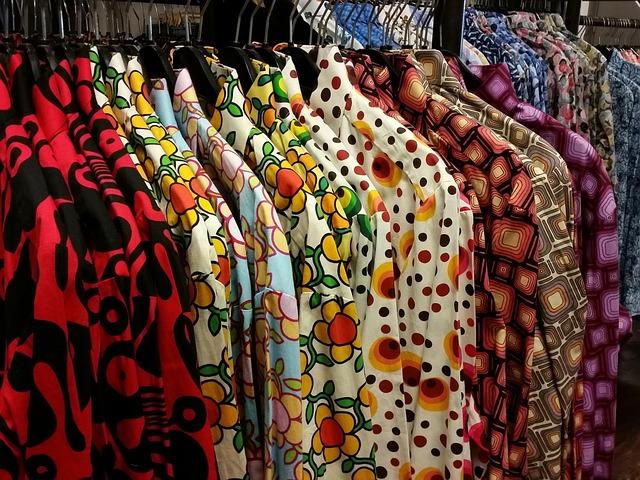
Ever found a jacket at a thrift shop that felt like it had stories stitched into every seam? That little thrill isn’t just good for your wardrobe-it’s good for the planet.
Every new item we buy demands raw materials, energy, water, dyes, and shipping. Multiply that by billions of garments a year, and you get overflowing landfills, polluted waterways, and a hefty carbon footprint. Second-hand shopping flips that script. By giving clothes (and furniture, electronics, books) a second life, we slow the demand for new production, keep usable items out of the bin, and stretch the resources already spent to make them.
It’s a simple, feel-good climate action you can take today-no fancy gear required. You’ll often save money, discover one-of-a-kind pieces, and support local shops or community sellers while reducing waste, water use, and emissions.
In this article, we’ll break down exactly how buying pre-loved lightens your environmental footprint, what to look for when you shop second-hand, and easy ways to make it part of your routine-whether you love the rummage of a thrift store or prefer a few taps on a resale app. Let’s turn treasure hunting into planet-helping.
Table of Contents
- How second hand shopping cuts carbon and water waste with real world examples
- Extending a garments life what to look for in fabrics care and fit
- Choosing quality pre loved items where to shop and how to spot lasting construction
- Closing the loop easy ways to donate repair and resell in your community
- Future Outlook
How second hand shopping cuts carbon and water waste with real world examples
Every second-hand purchase skips the resource-hungry “make-from-scratch” stage, where most of a product’s embodied carbon and water footprint are baked in. That means fewer pesticides and irrigation for cotton, less energy for dyeing, cutting and assembly, and no new mining or smelting for metals. When you choose pre-loved, you’re not just saving money-you’re voting for less extraction, fewer factory emissions, and lighter shipping demands because the item already exists.
- Denim jeans: opting used can avoid roughly ~30 kg CO₂e and around ~3,800 liters of water tied to growing cotton and finishing denim (figures vary by brand and care).
- Cotton T‑shirt: second-hand sidesteps about ~2,700 liters of water typically needed to grow and process the cotton for a single tee.
- Laptops: choosing a refurbished model instead of new can avert around ~200 kg CO₂e, since most of a device’s footprint occurs during manufacturing.
- Furniture (tables, sofas): buying used often avoids tens to hundreds of kg CO₂e from wood processing, foam, textiles, and transport-plus it keeps bulky items out of landfills.
In everyday life, these savings add up fast. Think of the $12 thrift-store jeans that spare thousands of liters of water, or the refurbished phone that sidesteps a fresh round of mining and factory energy. Local pickup from community resale groups trims packaging and last‑mile emissions, and kids’ gear-often barely worn-can be passed along multiple times, multiplying the benefit with each new user.
- Refurbished smartphone: extending use by two years can avoid roughly ~55 kg CO₂e versus buying new, while reducing e‑waste.
- Thrifted denim jacket: one pre-loved buy can forgo the water-heavy dyeing and finishing steps-think thousands of liters saved and ~30 kg CO₂e avoided.
- Second-hand baby stroller: reusing durable gear prevents new plastic and metal production and cuts manufacturing emissions without sacrificing safety when inspected.
- Local marketplace table: snagging a solid wood table nearby means no new lumber demand, fewer transport miles, and a big, immediate drop in footprint compared to buying new.
Extending a garments life what to look for in fabrics care and fit
When you’re treasure-hunting pre-loved pieces, start with the fabric and how it’s put together-these two clues tell you how long a garment will keep serving looks. Seek out materials that bounce back after a gentle stretch and feel substantial to the touch. A quick quality check: hold the piece up to light to gauge density, rub an inconspicuous spot to test for pilling, and skim the seams for sturdy stitching. High-quality construction means fewer repairs and a longer runway in your wardrobe, which keeps textiles out of landfills and your style on point.
- Fiber content: Look for breathable naturals (cotton, linen, wool, silk) or durable blends. A touch of elastane (2-5%) adds recovery without sagging.
- Weave/knit density: Tight weaves and dense knits resist abrasion and keep shape better than thin, flimsy fabrics.
- Stitching: Even, small stitches; reinforced stress points; and finished edges (like French or flat-felled seams) signal longevity.
- Hardware and details: Smooth zippers, secure buttons, quality linings, and matched patterns mean careful craftsmanship.
- Wear patterns: Check elbows, cuffs, hems, and inner thighs for thinning-minor wear is fine if the base fabric still feels strong.
Care and fit are the secret sauce to doubling a garment’s lifetime. Pick pieces that match your lifestyle and laundry routine-if you won’t hand-wash, skip it. Favor items that can be cleaned on cold and air-dried to save energy and reduce fiber stress. For fit, prioritize shapes that allow easy movement and small alterations; the right silhouette reduces strain on fabric and encourages you to wear it more often, multiplying the climate benefits of buying second-hand.
- Care label compatibility: Prefer machine-wash cold, colorfast dyes, and sturdy finishes; avoid items that already feel brittle or overwashed.
- Easy maintenance: Dark, heathered, or textured fabrics hide minor wear; wrinkle-resistant weaves and knit tees reduce ironing.
- Fit checkpoints: Shoulders should sit at the edge of your shoulder bone; waistbands should hug without digging; hems should fall clean without warping.
- Alteration potential: Look for seam allowances, extra buttons, adjustable tabs, and wrap or tie closures for flexible sizing.
- Comfort longevity: Choose styles with a bit of ease and recovery so they keep their shape-and your love-after many wears.
Choosing quality pre loved items where to shop and how to spot lasting construction
Start by casting a wide net and then get strategic. Mix treasure hunts at neighborhood thrift stores with more curated stops like consignment boutiques and vintage shops-each has a different sweet spot for value, quality, and style. Don’t sleep on estate sales, university surplus events, or local buy-nothing groups; they’re goldmines for well-made pieces that simply need a new home. Online, use saved searches, size filters, and location radius to reduce dead ends, and always ask for measurements, fabric composition, and close-up photos of wear areas.
- Thrift stores: Go midweek for fresh racks; check the “newly rolled” carts.
- Consignment: Higher edit, fair prices; look for seasonal sales and return windows.
- Vintage boutiques: Pay more for rarities and better construction; chat with the owner about provenance.
- Estate/garage sales: Arrive early with cash; prioritize tools, cookware, and solid-wood furniture.
- Online marketplaces: Save searches, ask for natural light photos, and request tape-measured dimensions.
Quality leaves clues. For clothing, favor natural fibers (wool, linen, silk, cotton), dense weaves/knits, and signs of meticulous build: pattern matching at seams, finished interiors (French or bound seams), spare buttons, and metal zippers. For shoes and bags, look for full-grain leather, stitched-never just glued-soles (Goodyear/Blake), and solid hardware. For furniture, weight is your friend: solid wood over particleboard, dovetail joints, real wood veneer (grain continues around edges), and smooth, even drawer action. Always do a quick stress test-gently tug seams, flex soles, wobble chair legs-and trust your hands and eyes over brand hype.
- Clothing: Check underarms, cuffs, hems for shine or thinning; hold knits to light for moth nibbles; ensure hems are even and seams lie flat.
- Denim/outerwear: Look for chain-stitched hems, bar tacks at stress points, and smooth, locking zippers; avoid puckered topstitching.
- Footwear: Inspect heel wear (evenness), insole condition, and welt stitching; press the outsole-quality rubber rebounds, cheap foam compresses.
- Bags: Test zips and clasps; examine stitching density (8-10 stitches/inch is a good sign); peep inside lining for tears or sticky residue.
- Furniture/housewares: Flip pieces: look for screws, not staples; solid joinery; pans with thick bases; glass and ceramics free of hairline cracks.
Closing the loop easy ways to donate repair and resell in your community
Keep things in use by moving them through your local network. Start with donation: check a charity’s “accepted items” list, give everything a quick clean, and bundle parts together (cords with electronics, buttons with shirts). For specialty items, think targeted drop-offs-shelters for warm layers, art classrooms for fabric scraps, libraries for books, tool libraries for duplicates. Before you part ways, try a quick repair: sew a loose hem, replace a zipper pull, or visit a community repair café or maker space for guidance. When an item still has resale value, list it on neighborhood groups or consignment apps-clear photos, honest notes on condition, and local pickup reduce packaging and shipping emissions.
- Donate smart: schedule pickups, request a receipt for taxes, and keep a small “give” bin by the door so items don’t pile up.
- Repair first: a basic kit-needle, thread, patch, glue, tiny screwdriver-fixes 80% of common issues.
- Resell with intention: set fair prices, bundle similar items, and use tags like “pet-free/smoke-free” to answer FAQs up front.
- Swap & share: host a clothing swap, start a toy/tool lending circle, or post in Buy Nothing and Freecycle groups.
Make it a habit so it sticks. Add a monthly “mend-and-move” hour to your calendar, and keep a photo corner ready for quick resell listings. Team up with neighbors to run a seasonal porch sale or pop-up “take table,” and ask local cafés to host a swap night. The ripple effect is real: every repaired zipper and rehomed blender saves materials, water, and energy that new manufacturing would demand-and keeps perfectly useful goods out of the landfill.
- Set triggers: when a new item comes in, one old item goes out.
- Build community: follow your city’s reuse map; many now list thrift stores, repair spots, and textile recycling bins.
- Simplify logistics: keep spare bags, labels, and measuring tape handy for smooth drop-offs and listings.
- Celebrate wins: track how many items you diverted-small actions add up to big climate impact.
Future Outlook
If there’s one takeaway here, it’s this: choosing second-hand is a small shift with big ripple effects. Every thrifted tee, refurbished gadget, or vintage table keeps useful stuff in circulation, cuts demand for new resources, and lightens your carbon footprint-often while saving you money and adding character to your life.
Ready to start? Try a secondhand-first month: before buying anything new, check a local thrift shop, a swap with friends, or a resale app. Need a blender? A blazer? A bookshelf? There’s likely a great pre-loved option waiting. And when something no longer serves you, pass it on so it can keep working for someone else.
Together, these simple choices fuel a more circular, less wasteful world. Thanks for reading-and happy thrifting!
